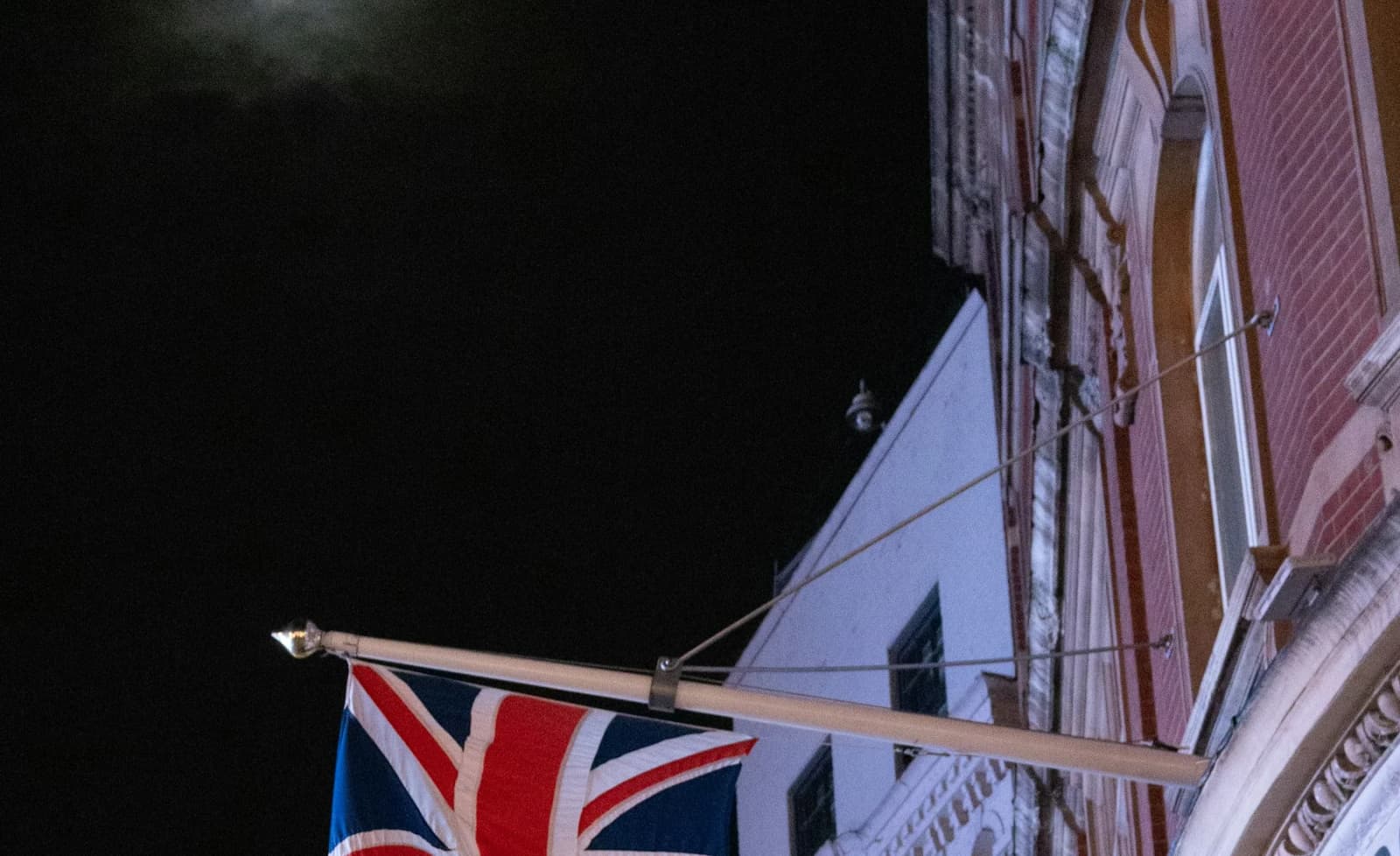
The United Kingdom and the European Union signed three agreements at a summit in Brussels on 20 November 2026 covering food trade, carbon markets and a new visa scheme for young people, in the biggest step towards closer ties since Brexit. UK Prime Minister Andy Burnham called it a "landmark" deal, while European Commission President Ursula von der Leyen described it as a "turning point", Agence France-Presse (AFP) reported.
"This is a good day for Britain. This is a good day for Europe," Burnham said, according to AFP. The summit, also attended by European Council President António Costa, was the second UK-EU leaders' meeting after the first summit in London on 19 May 2025.
What did the UK and EU agree?
They agreed three deals: an agreement on food, farming and plant products, a link between their emissions trading systems, and a Youth Experience Scheme, according to a Downing Street statement. The UK government estimates the package could add up to 0.5% to UK gross domestic product by 2040, or about £17 billion a year.
- Food and farm trade: Most checks and paperwork on food, farming and plant products moving between Britain and the EU will end, including export health certificates that the government says can cost up to £200 each. Products such as fresh sausages and burgers, Welsh mussels and Scottish seed potatoes will regain access to EU markets. The government put the benefit at up to £5.1 billion a year by 2040.
- Carbon markets: The UK and EU emissions trading schemes will be linked, and £6.5 billion of British exports, including steel and aluminium, will be exempt from the EU's Carbon Border Adjustment Mechanism, worth up to £3.8 billion a year by 2040, according to Downing Street.
- Youth Experience Scheme: People aged 18 to 31 will be able to live, work, study and travel for up to three years, with no job offer, language or salary requirement. Downing Street said the scheme will be capped, time-limited and visa-based, with no access to benefits and no right to bring dependants. AFP reported the cap at 100,000 young people from each side.
The two sides also agreed a structured dialogue on migration and joint work against Russia's "shadow fleet", cyber attacks and disinformation, the UK statement said.
What is still unresolved?
Tuition fees for students remain the main sticking point. Burnham said the "deal is done" but fee talks will continue for six months, and EU countries said in a statement seen by AFP that they would delay implementation until fees are agreed. In his summit speech, Burnham said the government's Chief Whip would introduce a Bill next week to implement the deal, including the food and carbon-market elements.
Is Britain moving to rejoin the EU?
Not at this stage. Burnham did not announce any move to rejoin, and AFP reported that he said the deals were likely the limit of what he could achieve in this parliament. He said he would hold an "informal brainstorming" with the EU over the next year. "The British people will be the boss of what happens next. We will not be running ahead of public opinion," he said. AFP noted that Burnham, who took office this summer after succeeding Keir Starmer, has said he wants Britain to rejoin the EU in his lifetime and has promised to set out options ranging from the status quo to a customs union or membership.
"Ten years on from Brexit, today we open a new chapter," Burnham said in the Downing Street statement.
Reactions
Reform UK leader Nigel Farage, who held his own press conference in Brussels, warned of a backlash. "He's let the genie out of the bottle, and I think he's going to be very, very surprised by the backlash he gets," Farage said, according to AFP. The Conservatives and Reform UK have accused Burnham of betraying Brexit, the agency reported.
A day later, the EU signed a separate trade pact in Brussels: EU and Indonesia sign free trade deal after 10 years of talks.