Gadi Eisenkot, the former Israeli army chief who leads the centrist Yashar party and holds the mandate to form Israel's next government, on Saturday, 21 November 2026, told his negotiators to invite caretaker Prime Minister Benjamin Netanyahu's Likud party to what Yashar called a "marathon" series of coalition talks beginning on Sunday, 22 November, according to Agence France-Presse (AFP) and The Times of Israel.
Yashar described the move as a "genuine and sincere effort to establish the broadest possible government", and told AFP it would "leave no stone unturned" to form one. The two parties held a first round of talks on 15 November, and The Times of Israel reported no progress from that meeting.
Why is Israel still without a new government?
The general election of 27 October 2026 left neither camp with a clear path to power. According to The Jerusalem Post, the bloc led by Eisenkot won 67 seats, 19 of them held by Arab parties, while Netanyahu's bloc won 53 and lost its majority. Netanyahu continues to run a caretaker government.
President Isaac Herzog gave Eisenkot the mandate on 8 November, The Jerusalem Post reported, and AFP said he has until December to put a coalition together. Eisenkot has said he is open to governing with Likud members but has ruled out serving in a government led by Netanyahu.
What are the two sides demanding?
Likud set out its terms for a unity government late on Saturday, The Times of Israel reported. They include an end to "all personal attacks and incitement" and to political "boycotts" against Netanyahu, a joint declaration limiting the coalition to parties that recognise Israel as "the nation-state of the Jewish people", and an end to efforts to govern with the Arab-majority Ra'am and Joint List parties. The published conditions do not say Netanyahu must remain prime minister.
Netanyahu has pressed for a national unity government, which he says is needed to guarantee Israel's security, AFP reported.
Bennett backs Eisenkot, rules out joining Netanyahu
Former prime minister Naftali Bennett, a key figure in Eisenkot's camp, said he was committed to forming "a government of national repair led by Gadi Eisenkot" and to "ensuring that Netanyahu will not be the next prime minister". His party, he said, "will not join him or his bloc under any circumstances". Bennett added that the talks would show whether Likud genuinely wanted unity or was trying to run down the "29 days" he said were left on Eisenkot's mandate.
Other members of the bloc were divided on the alternatives. Democrats chairman Yair Golan said he "will not block" a coalition with ultra-Orthodox (Haredi) parties, while Ra'am chairman Mansour Abbas told Channel 12 that "a government headed by Eisenkot will be formed", according to The Times of Israel.
What happens if the talks fail?
Yashar is running a parallel track with the ultra-Orthodox United Torah Judaism party, but that effort has hit trouble over military service for religious students: two senior rabbis reportedly rejected an earlier Eisenkot proposal on exemptions, according to a Kikar HaShabbat report cited by The Times of Israel. A revised proposal is expected in the coming days.
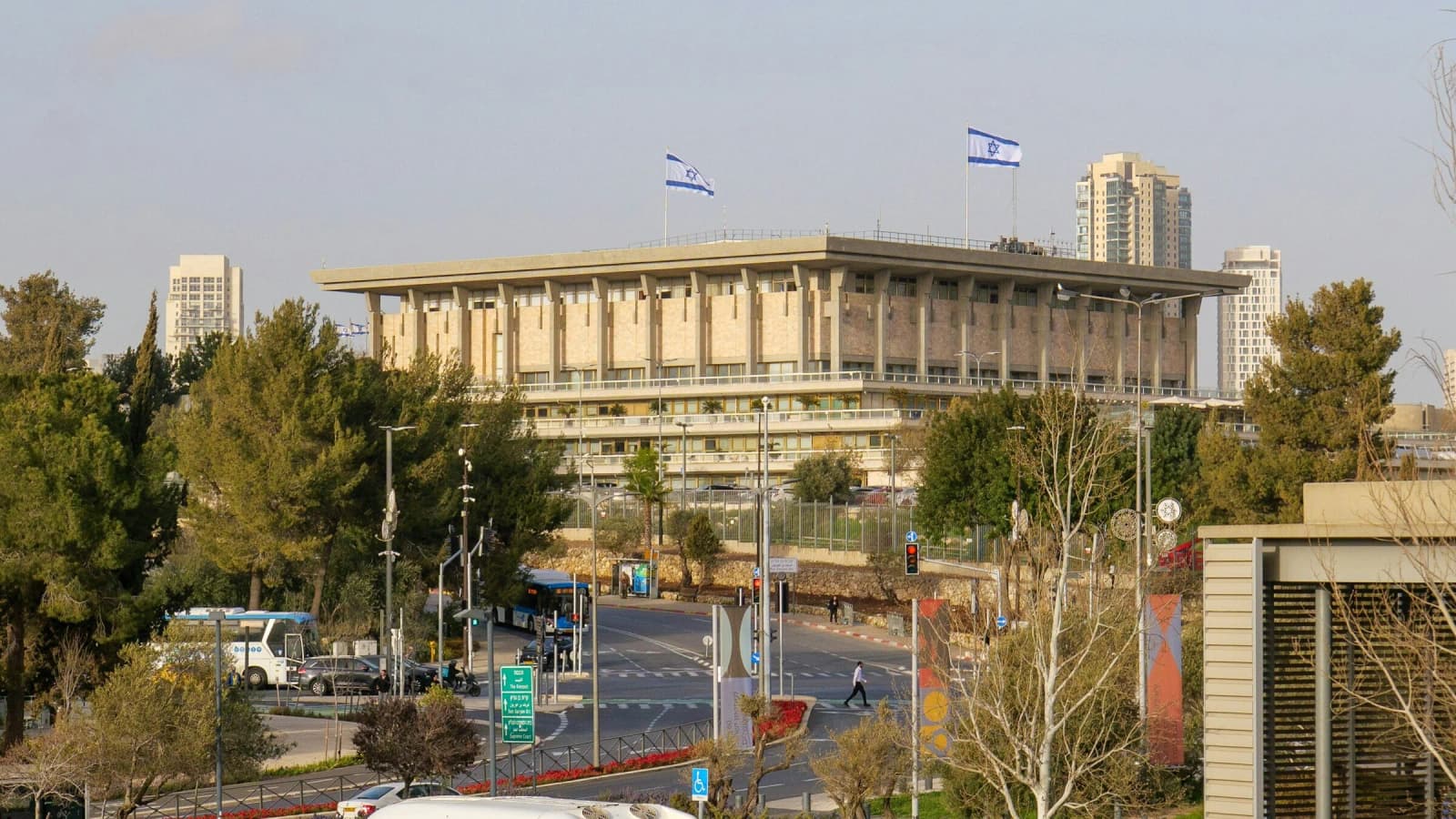
Eisenkot said on Friday he would not let the talks drag on. If a broad government cannot be formed, AFP reported, he would put a minority national emergency government to a vote in the Knesset, Israel's parliament. Yisrael Beytenu leader Avigdor Liberman has vowed to oppose a minority government that relies on Arab-party support, The Times of Israel reported.
The first session of the new round between Yashar and Likud negotiators is due on Sunday, 22 November.