The World Health Organization (WHO) said on 20 November 2026 that the Ebola outbreak caused by Bundibugyo virus in the Democratic Republic of the Congo (DRC) has reached 11,613 confirmed cases and 5,678 deaths, and that it remains a public health emergency of international concern. MapMyTimes reported the update. This explainer covers what Bundibugyo virus is, why there is still no approved vaccine for it, and what the emergency means for people outside Africa.
What is Bundibugyo virus?
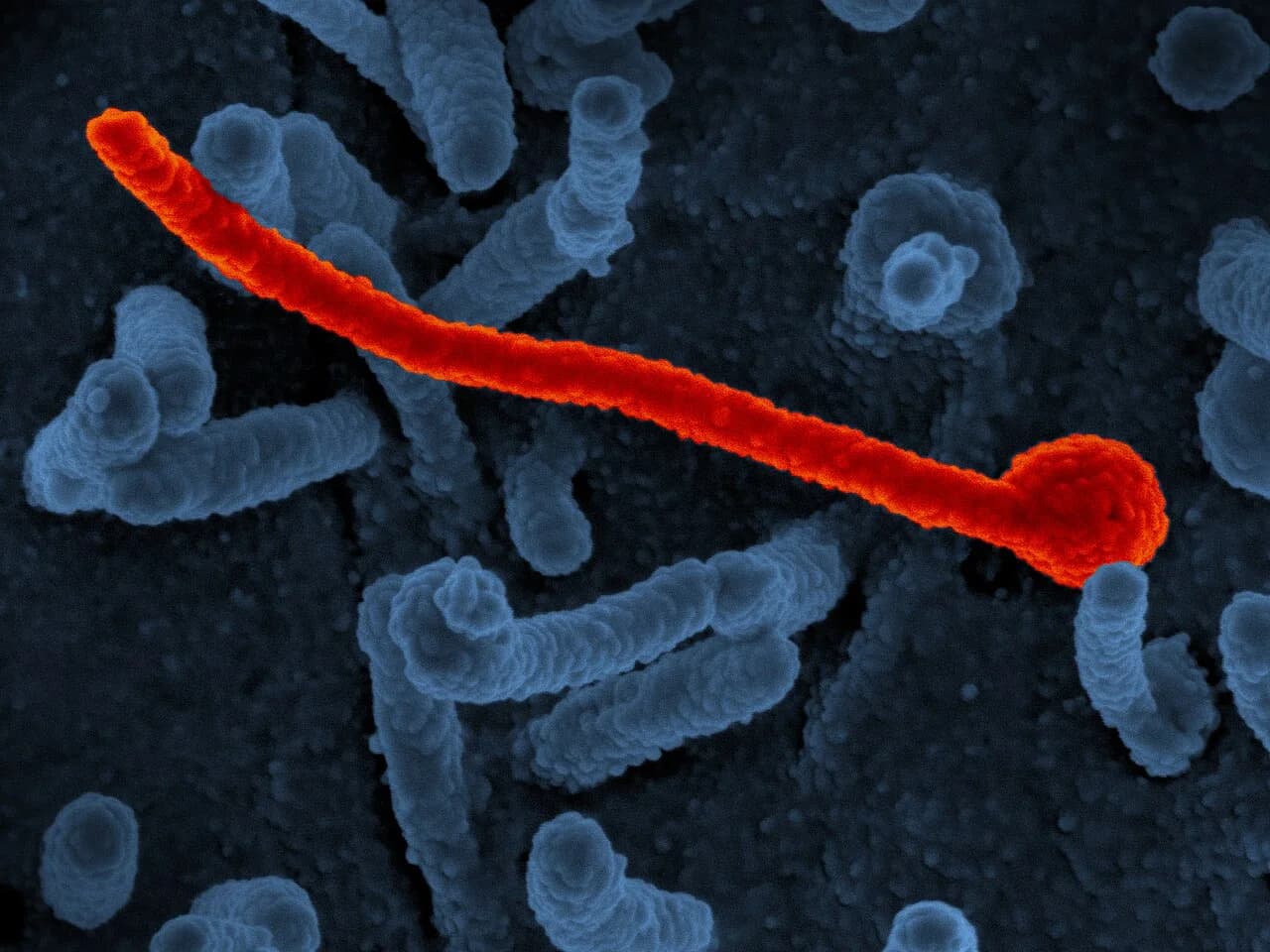
Bundibugyo virus is one of the viruses that cause Ebola disease, and it is different from the better-known Ebola virus (often called Zaire ebolavirus) behind most past outbreaks. The WHO fact sheet on Ebola disease names three viruses that have caused large outbreaks: Ebola virus, Sudan virus and Bundibugyo virus. Fruit bats are thought to be the natural hosts.
Before this year, Bundibugyo virus had caused only two known outbreaks: in Uganda in 2007, when about 30% of patients died, and in the DRC in 2012, when about half died, according to WHO's latest Disease Outbreak News report. Because it was considered rare, vaccine research focused on the Zaire virus.
Why is it in the news?
It is in the news because this has become the largest Ebola outbreak ever recorded in the DRC, of any type, and WHO has just decided to keep it a global emergency. WHO's report, published on 20 November with data up to 17 November, counts 11,613 confirmed cases, 5,678 deaths and 3,148 recoveries. That is a crude fatality rate of 48.9%.
Cases have been reported in 68 health zones across eight provinces, and 48 of those zones still have active transmission. Ituri province has the most cases (7,946) and North Kivu has the highest death rate, at 55%. WHO says 945 new confirmed cases were added since its 6 November report.
WHO first declared the outbreak a public health emergency of international concern on 17 May 2026. An expert committee met for the third time on 17 November, and the next day WHO Director-General Tedros Adhanom Ghebreyesus agreed that the emergency continues.
How does it spread, and what are the symptoms?
It spreads through direct contact with the blood or other body fluids of a sick or dead person, or with things contaminated by them; it does not spread before symptoms start. WHO says the incubation period is 2 to 21 days. Early symptoms are fever, tiredness, muscle pain, headache and sore throat, which can be followed by vomiting, diarrhoea, rash and kidney and liver problems. Bleeding is less common than many people think and usually comes later.
WHO says the virus spreads more where hospitals have weak infection control and during unsafe burials. That is why caring for patients and tracing their contacts matter so much.
Why is there no vaccine?
There is no approved vaccine or specific treatment for Bundibugyo virus disease; the vaccines and antibody drugs WHO recommends are for the Zaire Ebola virus. According to the WHO fact sheet, the Ervebo vaccine and the antibody treatments mAb114 and Inmazeb are approved for that virus, while candidates for Bundibugyo are still in development.
That is starting to change. The Director-General told member states on 11 November that a trial of Ervebo began in October to test whether it gives any protection against Bundibugyo. WHO expert groups have also recommended adding two vaccines built specifically for Bundibugyo to a trial in the DRC, according to Gavi, the Vaccine Alliance. They are ChAdOx1 BDBV, developed by the University of Oxford with the Serum Institute of India, and Moderna's mRNA-1469.
The trial, called Tumaini (Swahili for "hope"), uses ring vaccination: people who have been in contact with confirmed cases are offered vaccination. Gavi says the new candidates will join only after national approvals, and WHO expects results in early 2027.
What is making the outbreak hard to control?
Rising insecurity is the greatest obstacle to expanding the response, WHO says. At the 11 November briefing, the Director-General said an attack on Cantine-Aloya killed 66 civilians, including three health workers, and that three health facilities were looted and burned. He also said more than 1,000 contacts had been lost to follow-up. WHO's latest report says the share of contacts seen each day averaged 81%, below the 95% target.
WHO also notes that 452 of the 720 deaths in the past three weeks happened in the community rather than in treatment centres. That suggests many patients are not reaching care in time, which raises the risk of spread at home and at funerals.
Has it spread to other countries?
A few countries have had cases, but WHO says most are under control. Kenya has had nine confirmed cases, including two deaths, all linked to one imported case, with no new case since 19 October. Nigeria had one imported case, confirmed in Abuja on 20 October; the patient was treated in Switzerland and discharged on 11 November. Both countries are now counting down 42 days to declare their outbreaks over. WHO says France and Uganda have controlled their outbreaks since August.
How does it affect you?
For most people outside central Africa, the direct risk is low. WHO rates the risk as very high in the DRC, high in Kenya, Nigeria and countries closely connected to the affected areas, and low globally. WHO advises against travel or trade restrictions and has asked countries with blanket travel bans to lift them.
India issued an Ebola advisory on 21 May 2026. Delhi airport asked passengers arriving from Congo, Uganda and South Sudan to monitor their health and report symptoms such as fever, headache and muscle pain to airport health staff, Business Today reported at the time. Officials said then that no case had been detected in India. Anyone who has travelled to an affected area and develops symptoms within 21 days should seek medical care and mention their travel.
What happens next?
WHO says updated temporary recommendations for countries are expected in the coming days. The Director-General said on 11 November that the DRC government has updated its response plan to run through January 2027. The next milestones to watch are whether the two Bundibugyo vaccine candidates win national approval and join the trial, whether Kenya and Nigeria complete their 42-day countdowns, and whether case numbers in Ituri and North Kivu start to fall.
Photo source · NIAID, CC BY 2.0