Fiji has declared a nationwide state of natural disaster as an El Niño-driven drought leaves families, farmers and island communities short of water. Prime Minister Sitiveni Rabuka announced the decision in a national address on 18 November 2026, saying the crisis thresholds set out in the country's National El Niño Preparedness and Response Plan had been reached.
According to a statement published by the Fiji Government, Cabinet approved the declaration on the advice of the National Disaster Risk Management Council. It has been made under Section 91 of the National Disaster Risk Management Act 2024, covers the whole country and can last no longer than 30 days unless extended.
What does the declaration allow the government to do?
It lets the government run the drought response centrally, moving money, staff and supplies to where they are needed most. Radio New Zealand (RNZ) reported that the declaration allows nationwide mandatory evacuations, curfews and travel restrictions, and also covers water rationing. Mr Rabuka said it "strengthens the arrangements through which government mobilises resources", RNZ reported.
The government has redeployed 20 million Fiji dollars from existing ministry budgets for the response. Reuters put the sum at about US$8.5 million. The money is meant for emergency water supplies, help for affected communities, and support for farmers and livestock owners.
How bad are the water shortages?
The government says it has delivered more than two million litres of emergency water to maritime communities over the past month, while the Water Authority of Fiji is trucking water to affected mainland communities. According to RNZ, the authority had already imposed night-time supply restrictions on households in greater Suva, the capital, from 9 pm to 4 am, after the Tamavua Water Treatment Plant lost more than 15 per cent of its raw water inflow.
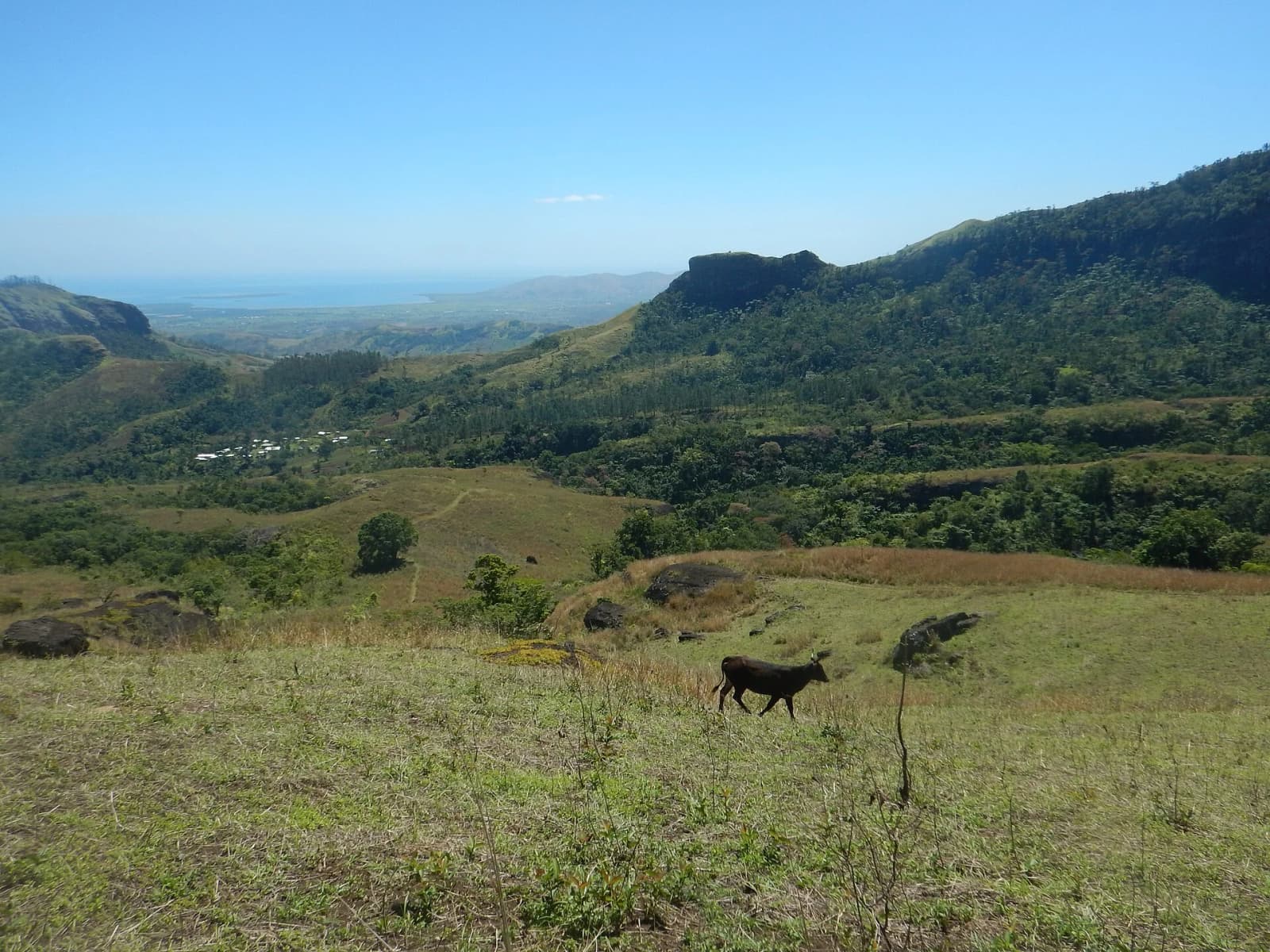
RNZ also reported that wildfires have become a daily occurrence across Fiji, causing the most damage to farms and forest plantations. Mr Rabuka acknowledged that farmers are worried about their crops and livestock, and that remote and island communities face growing pressure on water.
Help for farmers and vulnerable groups
The Ministry of Agriculture, Waterways and Sugar Industry has announced six support measures covering water and irrigation, livestock feed, climate-resilient planting material, drought protection for the sugar sector, food security and sustainable farming, according to the Pacific Islands News Association (PINA). The Ministry of Women, Children and Social Protection has raised monthly eTransport top-ups for eligible older people and persons with disabilities.
The government has urged people to save water, fix leaks, keep stored water clean and covered, and avoid unnecessary burning because fires can spread quickly in dry conditions. Community leaders have been asked to report shortages through divisional administrations.
"We cannot control the climate, but we can act early, use our resources responsibly and stand together through its impacts," Mr Rabuka said.
Why it matters beyond Fiji
The Fiji Meteorological Service expects rainfall to stay below normal from November through April, with daytime temperatures above normal across most of the country until January, Reuters reported. The United States Climate Prediction Center said last week that El Niño is strengthening and gave a more than 79 per cent chance of a strong-to-very-strong event from January to March, according to the same report.
The declaration comes as governments meet at the United Nations climate summit, COP31, in Antalya, Türkiye. MapMyTimes has reported on how the revised COP31 draft dropped all mention of fossil fuels. The Reuters report also noted that some scientists say global warming may make El Niño more intense.
What happens next
The declaration can run for up to 30 days and can be extended or revoked on the council's advice. RNZ noted that Mr Rabuka faced public criticism earlier in November for playing down how severe El Niño's impact could be. With the dry outlook stretching into 2027, officials will be judged on whether water carting and farm support reach remote islands quickly enough.
Photo source · Rickard Törnblad, CC BY-SA 4.0