The United Nations' two main food agencies on 27 November 2026 raised the number of countries and regions they class as "hunger hotspots" from 13 to 16, warning that a strengthening El Niño is now adding drought-driven crises in Southern Africa and Central America to the conflict-driven emergencies that already dominate the list. The Food and Agriculture Organization (FAO) and the World Food Programme (WFP) released the new Hunger Hotspots early-warning report, covering December 2026 to May 2027, from Rome.
Two of India's neighbours, Afghanistan and Myanmar, remain on the list, with Afghanistan placed in the second-most-serious tier.
Which places are of highest concern?
Sudan, South Sudan, Somalia, parts of Nigeria and Yemen are the five hotspots of highest concern, according to the joint FAO-WFP release. The agencies said these five have stayed at that level since 2022, and that in four of them people are facing or are projected to face Catastrophe, the most severe level of hunger, marked by starvation and death.
In Sudan, 13 areas of North Darfur and South Kordofan are at risk of famine through January 2027 under a reasonable worst-case scenario, and two camps for displaced people in South Darfur have already crossed famine thresholds for malnutrition. In South Sudan, four counties in Upper Nile and Jonglei states face a risk of famine in a worst-case scenario. In Somalia, the agencies said the risk of famine has receded, though displaced people in Baidoa remain at Emergency levels, a finding in line with the UN assessment on Somalia earlier this week.
Afghanistan, the Democratic Republic of the Congo, Haiti and Palestine are rated "very high concern". The agencies said food security in Gaza has begun to improve since the October 2025 ceasefire, but called those gains fragile, and said acute food insecurity in the West Bank is expected to worsen. Chad, the Central American Dry Corridor, Madagascar, Mali, Myanmar, Southern Africa and northeastern Uganda make up the remaining hotspots. Lebanon has been taken off the list.
How is El Niño changing the picture?
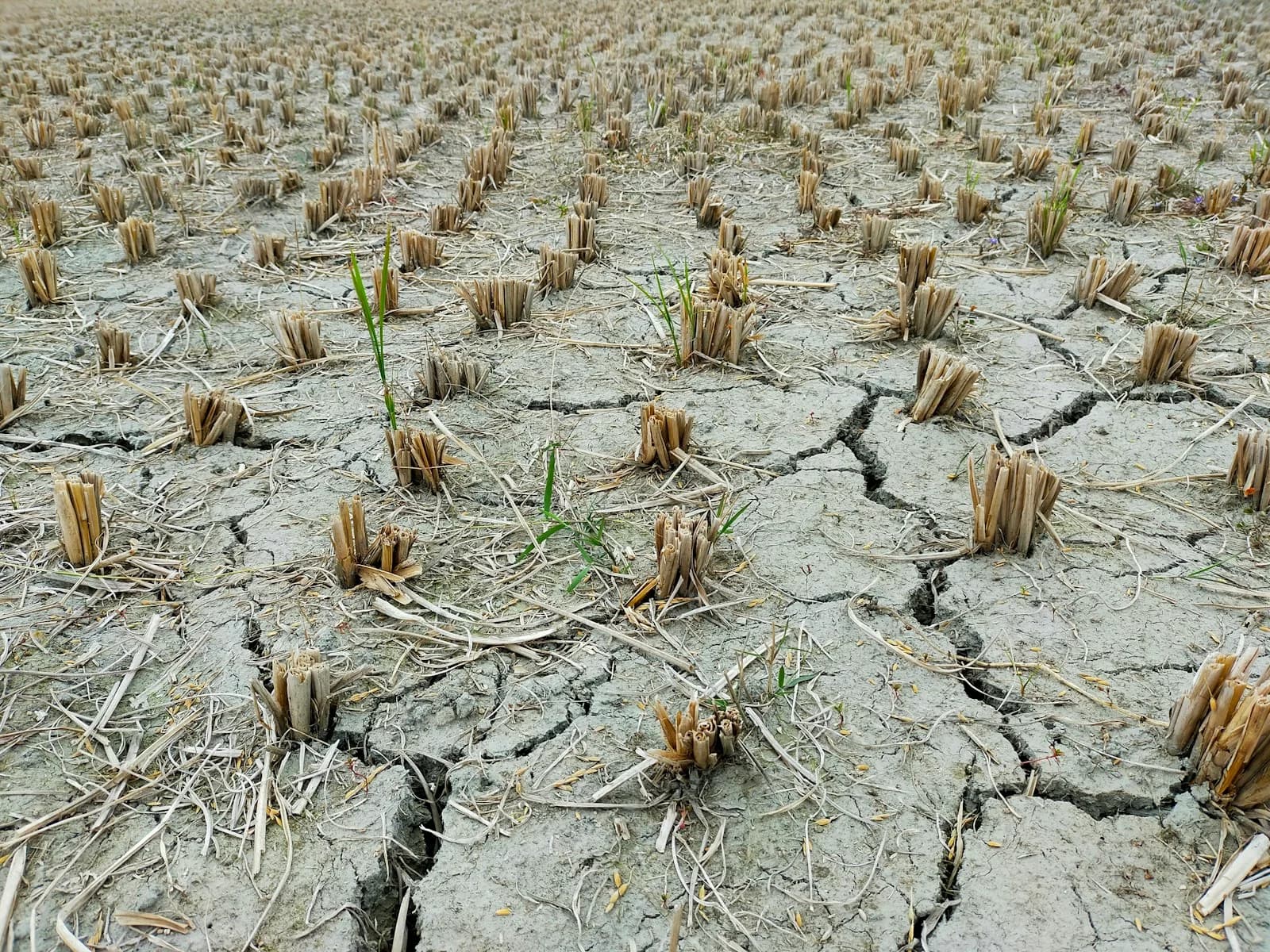
El Niño is the main reason for most of the new additions. Southern Africa (Eswatini, Malawi, Mozambique, Zambia and Zimbabwe), the Central American Dry Corridor and northeastern Uganda were added largely because of the weather pattern, while Chad was added because of spillover from the war in neighbouring Sudan.
The agencies said El Niño is strengthening and could become one of the most intense on record. In Southern Africa, up to 3 million people in Zimbabwe, 2.6 million in Malawi and 1.8 million in Mozambique are projected to face high acute food insecurity through March 2027. In Central America, the 2026 Primera growing season was the driest in four decades, with crop losses above 75 per cent in many areas; in Guatemala alone, 3.2 million people are projected to face high acute food insecurity between October 2026 and February 2027.
FAO Director-General QU Dongyu said, "El Niño is intensifying, threatening crops and harvests in already vulnerable regions," adding that the worst outcomes can still be avoided through farm support that helps vulnerable families keep producing food.
Conflict and funding gaps
Conflict remains the main driver in 12 of the 16 hotspots. At the same time, humanitarian funding for food security and nutrition in the five highest-concern hotspots fell 62 per cent, from 5.1 billion US dollars in 2022 to 2 billion dollars in 2025, the release said.
WFP Executive Director Luke J. Lindberg said, "I've called upon all nations to banish famine to the history books," and argued that the obstacle is political will rather than capacity on the ground, saying famine "is not a problem of operational ability".
Why it matters, and what comes next
The report lands days after the COP31 climate summit in Antalya ended without an outcome document, sharpening questions over who will pay for adaptation in climate-exposed farming regions. FAO and WFP have called for urgent humanitarian action in all 16 hotspots, priority for areas where famine risk has been identified, and safe access for aid workers. Their joint El Niño anticipatory action plan aims to protect 9 million people across 22 countries.