The United Nations COP31 climate change conference in Antalya, Turkey, has concluded without adopting an official outcome document—an exceptionally rare diplomatic breakdown despite talks running two days past their scheduled close.
Why Talks Collapsed Over Fossil Fuels
Nearly 200 delegations negotiated through the weekend after COP31's Turkey–Australia draft leadership text stopped short of establishing a clear timeline to transition away from fossil fuels, offering instead a non-binding pledge targeting a 35 percent fossil-fuel share of global electricity by 2035. A coalition spanning European Union members, small island developing states, France, and Panama opposed endorsing the weakened language.
French Ecological Transition Minister Monique Barbut and Panamanian Environment Minister Juan Carlos Navarro argued that signing an agreement weaker than prior COP commitments would undermine global climate credibility. With consensus unattainable, delegates adjourned without a joint declaration.
Climate Finance Appeals and Next Diplomatic Steps
- UN adaptation call: United Nations Secretary-General António Guterres urged nations to triple climate adaptation funding by 2035 and tax fossil fuel windfall profits to support vulnerable economies.
- Procedural limbo: Core work streams on adaptation targets, loss-and-damage financing, and clean-energy pledges now shift into intersessional UNFCCC technical meetings before next year's summit.
- Trust deficit: Developing economies warned that without predictable finance flows, disagreements between major producers and climate-vulnerable states will continue stalling consensus.
Broader Impact on Clean Energy Transitions
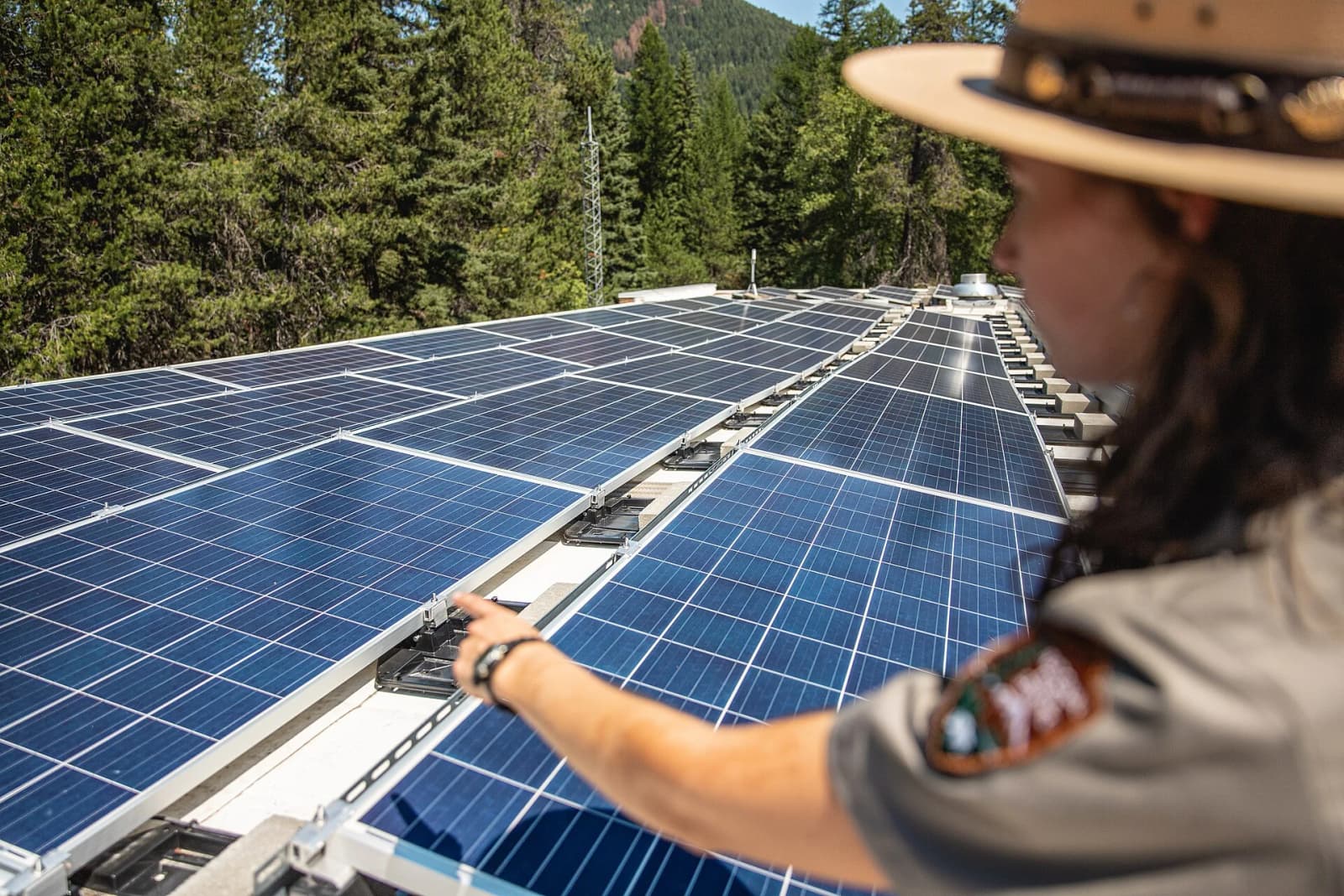
Analysts noted that while solar and wind deployment continues accelerating commercially worldwide, the failure in Antalya leaves a diplomatic gap in multilateral accountability at a crucial decade mark for Paris Agreement emission pathways.