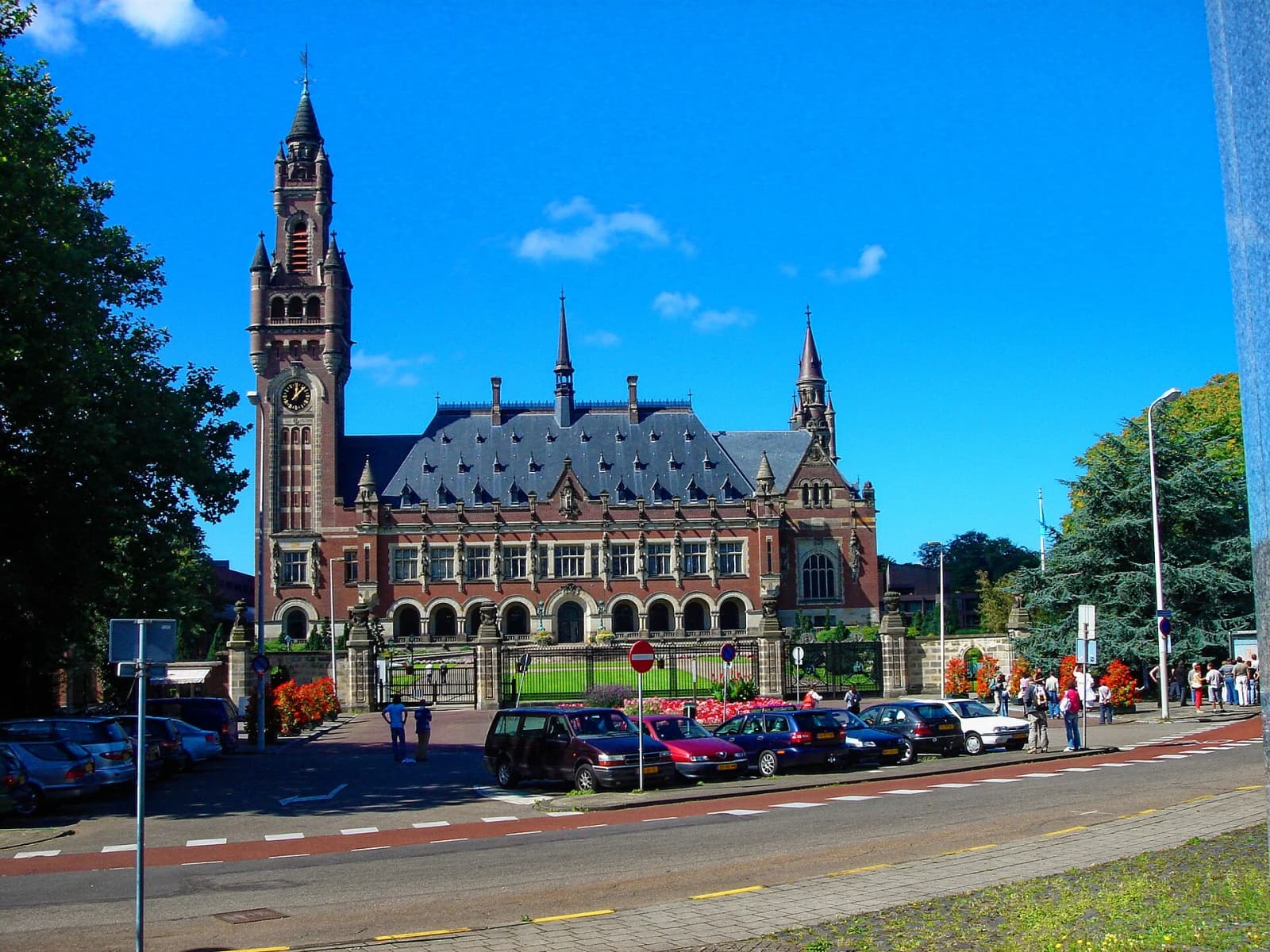
Myanmar's military-backed President Min Aung Hlaing has said his government will not fully comply with the orders of the International Court of Justice (ICJ), which ruled on 19 November 2026 that Myanmar committed genocide against the Rohingya minority in 2017. His remarks, made at a government meeting on 25 November and reported by Reuters and Indian broadcaster News On AIR on 26 and 27 November 2026, were his first public comments since the verdict.
According to News On AIR, he said the genocide label had damaged the country's reputation and that Myanmar would reject requirements it considered inappropriate. Outlook India, citing state-run media, reported that he called the case a "one-sided accusation". He did not say which orders his government would refuse to follow.
What did the ICJ order Myanmar to do?
The court ordered Myanmar to investigate and prosecute people reasonably suspected of involvement in the 2017 operations, prevent further violations, and protect the Rohingya from discrimination and persecution. It also ordered Myanmar to enable the safe and voluntary return of refugees, restore lost property, trace missing persons and compensate survivors. Myanmar must report on the steps it has taken within two years.
The case, formally titled Application of the Convention on the Prevention and Punishment of the Crime of Genocide (The Gambia v. Myanmar), was brought by The Gambia, with 11 states intervening. Public hearings on the merits were held from 12 to 29 January 2026. Outlook India reported that the judgment was adopted by a 9-6 majority and also found Myanmar had failed to prevent and punish genocide and had breached its duty to preserve evidence.
Myanmar's earlier response
Myanmar's Foreign Ministry rejected the findings on 20 November, questioning the court's reliance on UN investigative reports. It maintained that the 2016-2018 operations in northern Rakhine State were counter-terrorism actions against the Arakan Rohingya Salvation Army (ARSA), not a campaign with genocidal intent.
Can the ICJ enforce its judgment?
The judgment is final and binding, but the court has no enforcement mechanism of its own. Under Article 94 of the UN Charter, The Gambia can take the matter to the UN Security Council if Myanmar fails to comply, and the Council may recommend or decide measures to give effect to the ruling.
Why it matters for the region
The 2017 military crackdown forced more than 700,000 Rohingya to flee into Bangladesh, and the UN has documented more than 10,000 deaths during the operations. UNHCR figures as of 30 June 2026 show about 1.2 million Rohingya refugees and asylum-seekers in Bangladesh, 129,400 in Malaysia and 22,400 in India. More than 223,000 people remain internally displaced inside Myanmar.
Min Aung Hlaing's stance makes the court-ordered return of refugees and compensation for survivors less likely in the near term. The next formal milestone is Myanmar's report to the court, due within two years of the judgment.