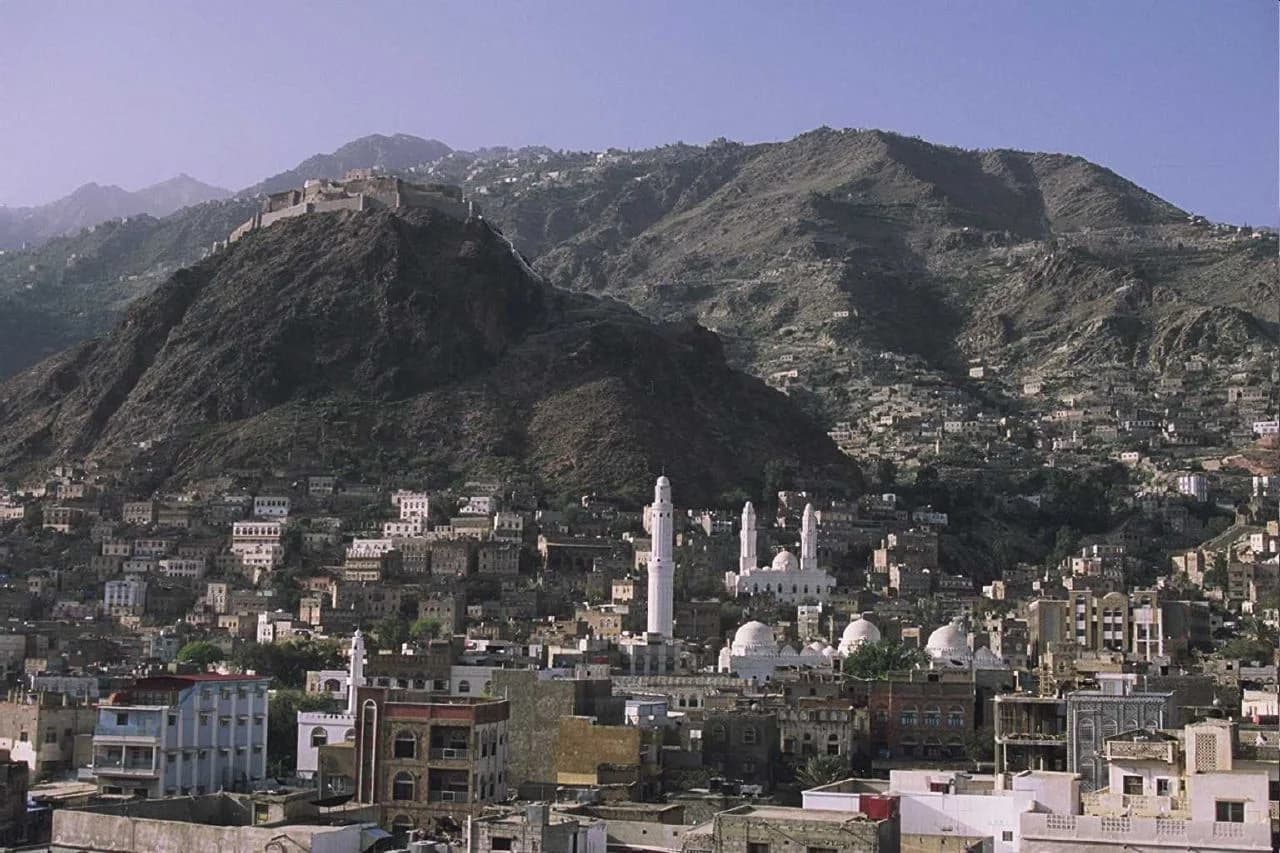
Global food security experts reported on November 25, 2026 that the immediate risk of famine in Baidoa, Somalia, has diminished, though millions across the country continue to confront severe food shortages and malnutrition. According to an updated assessment from the UN-backed Integrated Food Security Phase Classification (IPC), roughly 5.3 million people are projected to experience severe food insecurity between October and December 2026, slightly down from the 5.4 million forecast in August.
Why Famine Risk Decreased in Baidoa
The IPC attributed the marginal downward revision to an improved outlook for internally displaced people (IDPs) sheltering in Baidoa. Experts noted that the previously feared worst-case scenario—extreme flooding and large-scale displacement linked to El Nino—has not occurred and is unlikely to take place before the end of 2026. Even so, displaced families in Baidoa remain classified in Phase 4 (Emergency) on the IPC's five-level acute food insecurity scale, just one tier below famine, with acute malnutrition staying at critical levels.
The updated review incorporates data gathered since August across food availability, nutrition indicators, mortality, and population displacement. Humanitarian agencies cautioned that the slight improvement in Baidoa does not signal recovery for wider Somalia, where fragile conditions persist.
Growing Malnutrition Among Children
Child nutrition figures remain deeply concerning. The IPC estimates that 7,000 additional children will suffer from malnutrition between July 2026 and June 2027, bringing the total number of affected or at-risk children to 1.92 million. That figure includes 437,000 children projected to endure severe malnutrition over the same period.
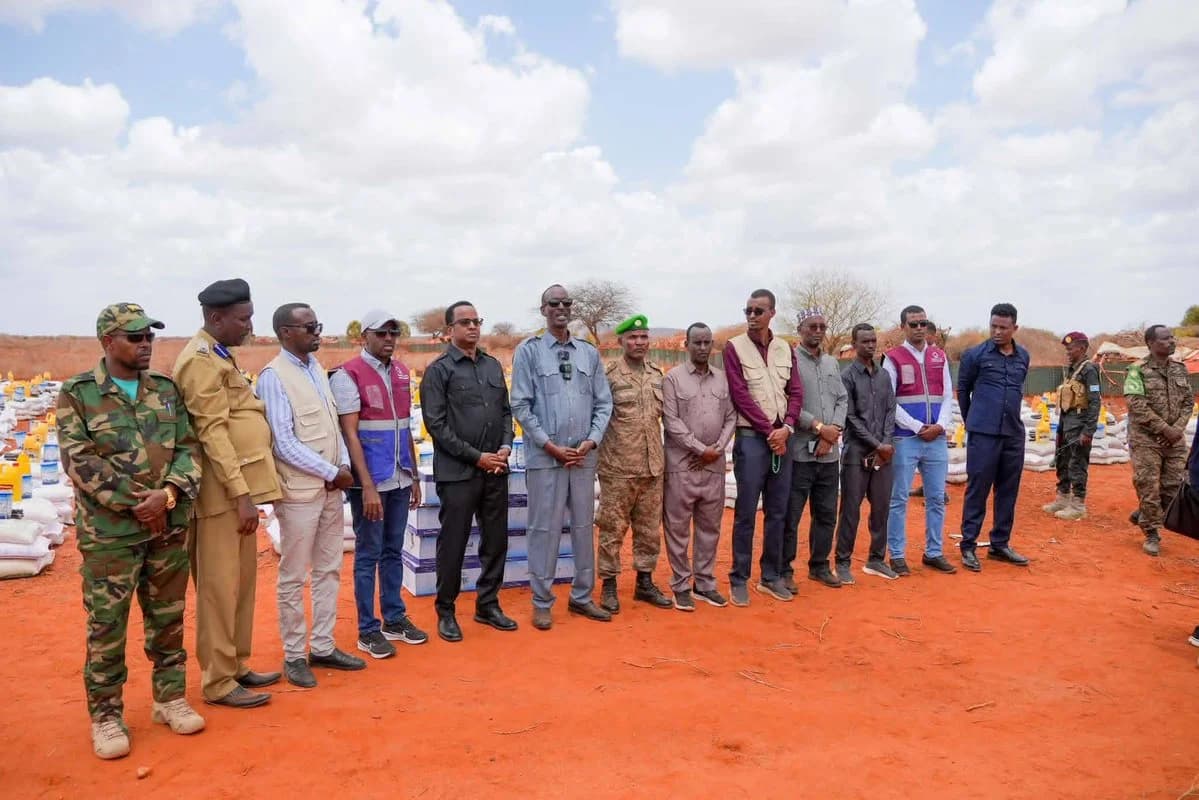
UN officials stressed that sustaining humanitarian assistance is vital to prevent conditions from deteriorating again. The report urged continued international support for food aid, nutrition programmes, healthcare, livelihoods, and clean water, sanitation, and hygiene services, especially for displaced households and communities in hard-to-reach areas of Somalia.
Photo: Mohamedmahmudahmed / Wikimedia Commons (CC BY 4.0)
Source: UN News