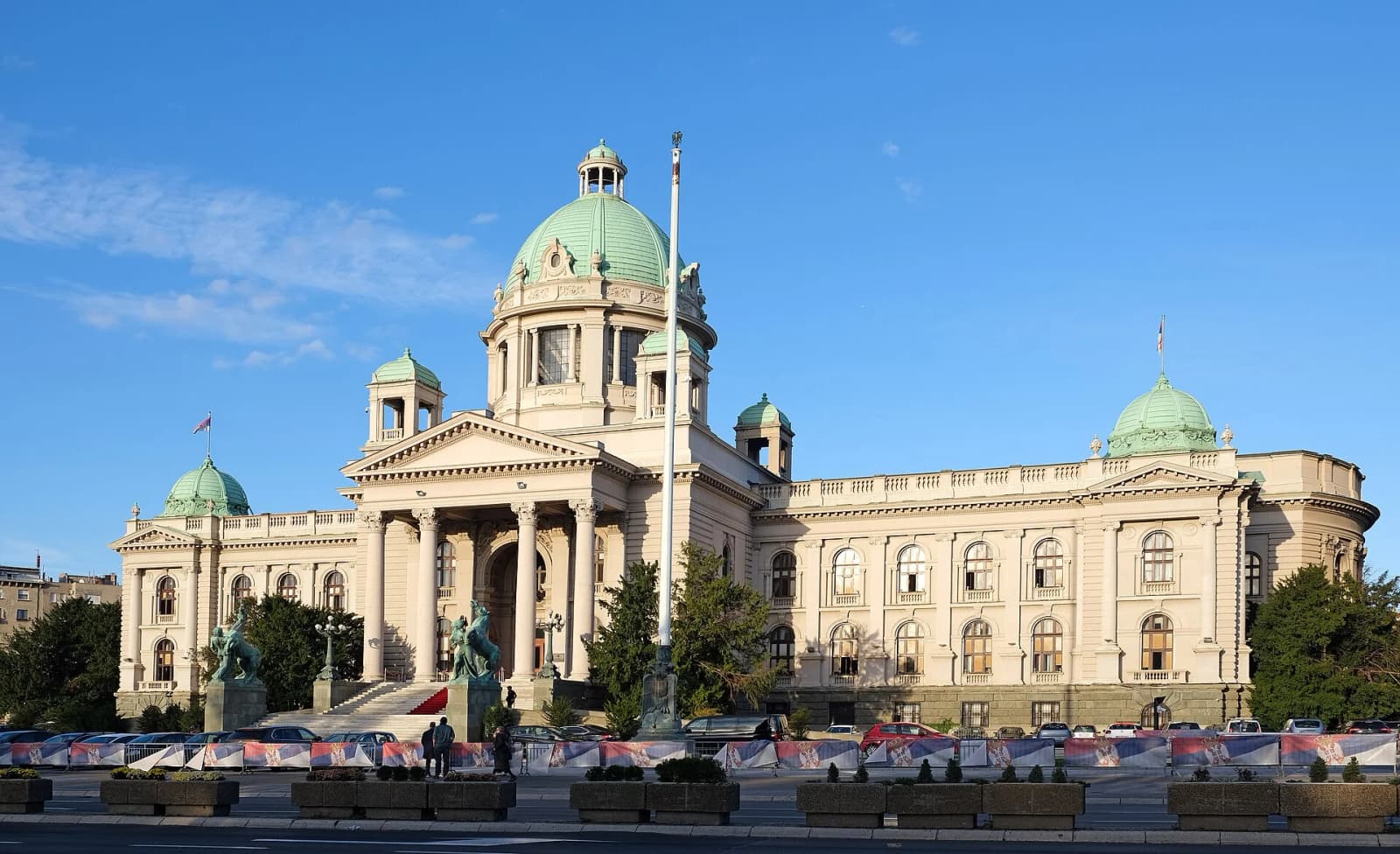
Serbia will hold an early presidential election on 27 December 2026 after the new Speaker of the National Assembly, Aleksandar Cupic, signed the decision calling the vote in Belgrade on 26 November 2026. Former President Aleksandar Vucic, whose party lost power in last month's parliamentary election, has suggested his party could boycott the contest.
The vote was called a month after a student-led movement defeated Vucic's right-wing Serbian Progressive Party (SNS) in an early parliamentary election on 25 October, The Associated Press reported.
Why is Serbia holding an early presidential election?
The post fell vacant when Vucic resigned as president in September to run for prime minister, a bid that failed. According to AP, Vucic had served nearly two full five-year terms as president and was legally barred from a third. He and his party ruled Serbia for about 14 years.
"I hope we will have a tough choice between top candidates and their programmes," Cupic said, according to AP. "Building democratic institutions is the task for all of us."
Will Vucic's party take part?
That is not yet decided. Vucic, who now leads the SNS group in the National Assembly, has urged a boycott, but the party has not made a final call, the Balkan Investigative Reporting Network said in Balkan Insight. On 25 November he described the vote as "the most pointless election in history", according to the Serbian news agency Tanjug, as cited by Balkan Insight.
Vucic said on 24 November that the SNS would decide at its party assembly on 13 December, adding that he personally leaned towards not granting the new majority "that kind of legitimacy". Balkan Insight reported that some party members want to back an independent candidate, others want to field their own, while Vucic favours ignoring the vote.
Who holds power now?
The Student List won 140 of the 250 seats in parliament in October and has said it will unveil its presidential candidate soon after the election is called. However, it has so far only constituted the new parliament and has not yet formed a government. Until it does, Vucic's government technically remains in control, AP reported.
The SNS has accused the winners of "revolutionary terror" and of trying to arrest its officials and supporters. AP reported that detentions of officials and police officers suspected of abusing their positions have surged since the vote.
What does the Serbian president do?
The presidency is largely ceremonial. The president commands the army and has a say in foreign policy but holds no executive powers, according to AP. Vucic nonetheless concentrated power in the office, announcing major state decisions and chairing government sessions, which drew accusations of authoritarian rule.
How did the change come about?
The student movement led two years of street protests that began after a railway station canopy collapsed in the northern city of Novi Sad, killing 16 people. Many Serbians blamed corruption and negligence during the station's renovation, AP reported. Balkan Insight noted that the SNS era was marked by allegations of corruption, nepotism, electoral irregularities and curbs on media freedom.
What happens next?
Voters go to the polls on 27 December. The Student List is expected to name its candidate shortly, and the SNS is due to decide on 13 December whether to take part. No candidates had been formally announced at the time of writing.
Photo source · kallerna, CC BY-SA 4.0