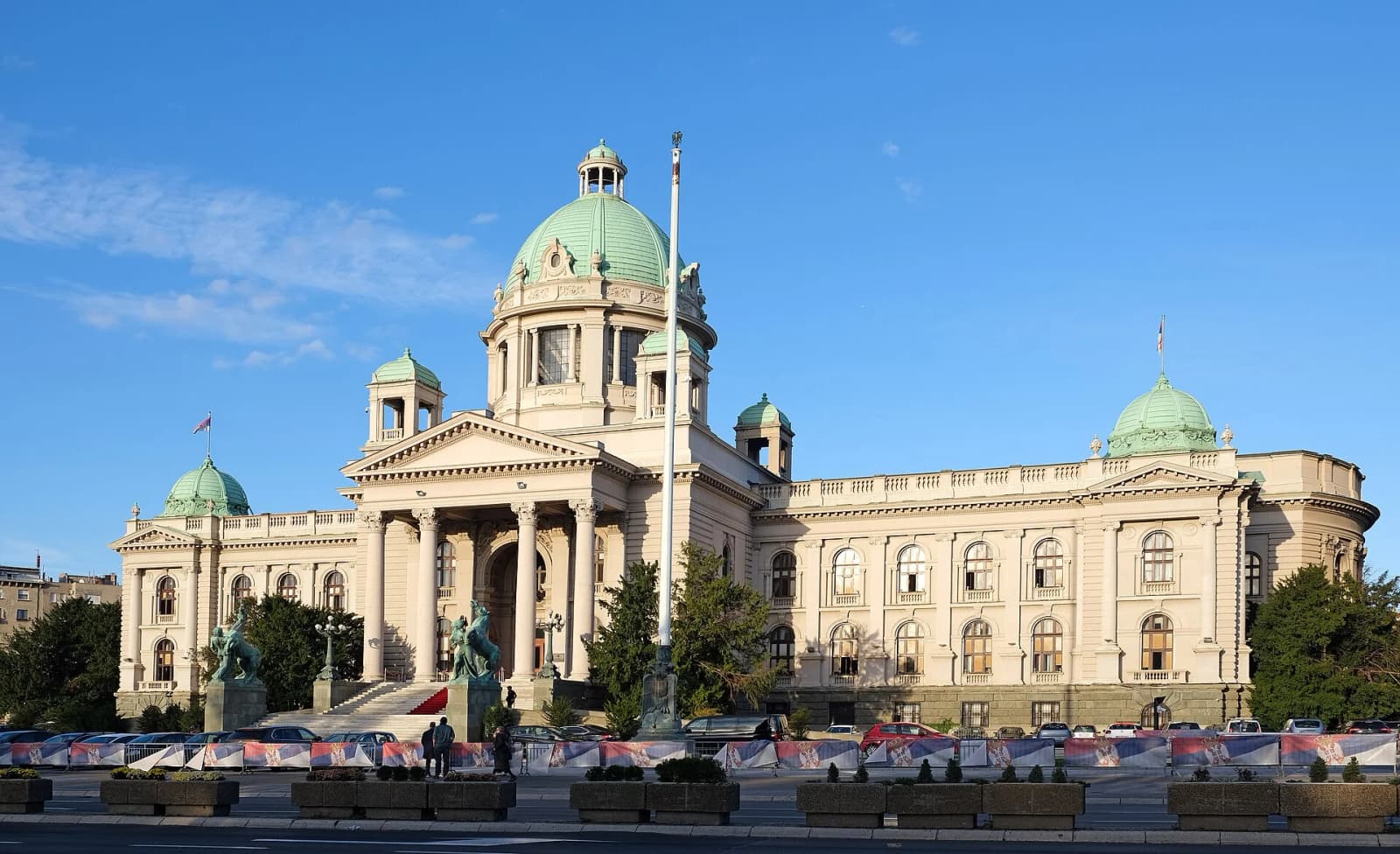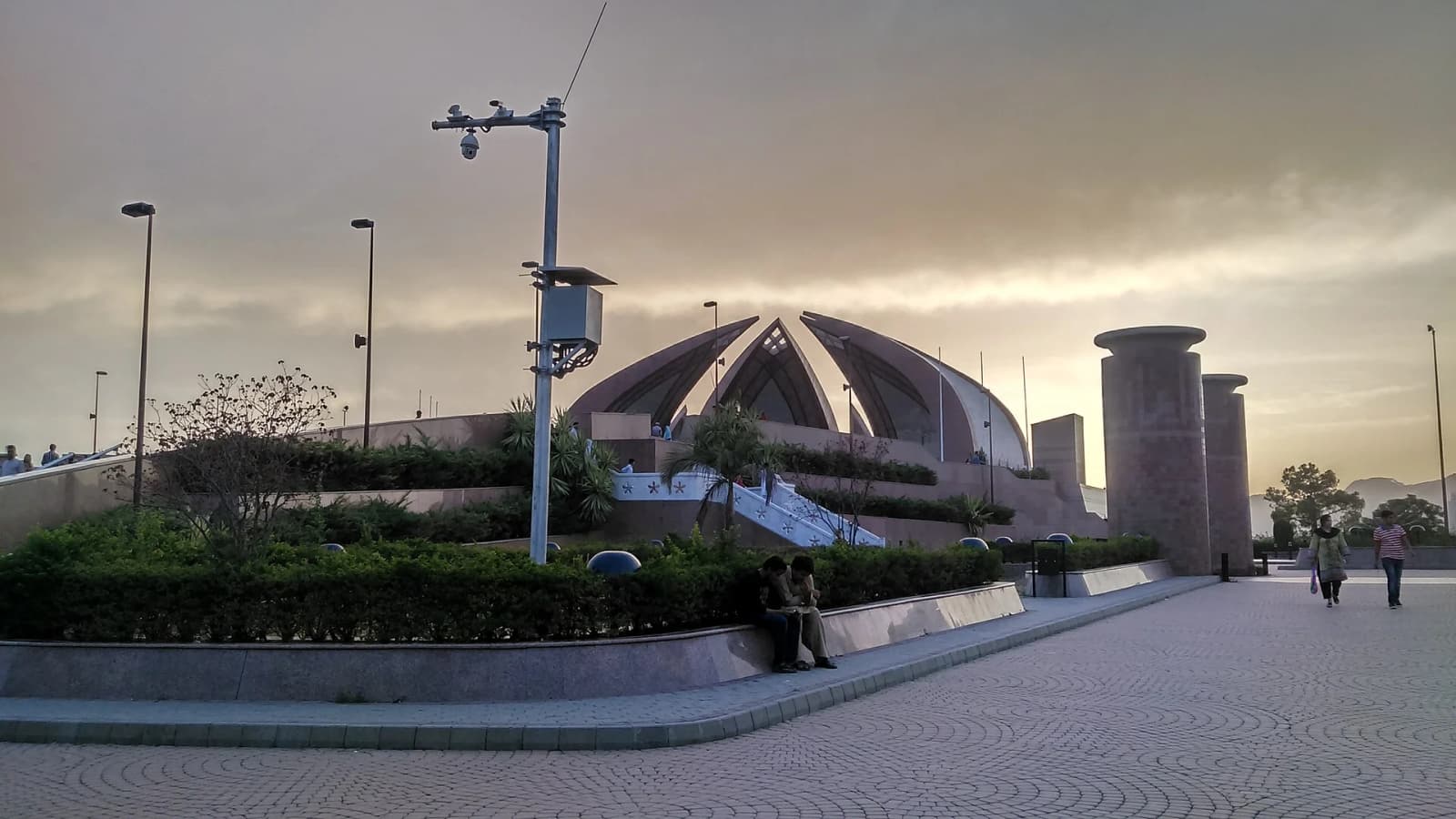
Pakistan on 27 November 2026 began hosting a two-day meeting in Islamabad with Saudi Arabia and Türkiye under their three-way mutual defence pact, with Houthi attacks on Saudi Arabia expected to top the agenda, according to The Associated Press and Pakistani media reports.
The session is the third meeting of the alliance's Strategic, Political and Defence Committee, its top decision-making body. The pact, known as the Makkah (or Mecca) Joint Defence Agreement, treats an armed attack on any one member as an attack on all three.
Who is attending the Islamabad talks?
Foreign and defence ministers of all three countries are taking part. AP reported that Pakistan's Defence Minister Khawaja Muhammad Asif, Deputy Prime Minister and Foreign Minister Ishaq Dar and army chief Field Marshal Asim Munir were due to attend, while delegations from Saudi Arabia and Türkiye had begun arriving. Saudi Foreign Minister Prince Faisal bin Farhan, Saudi Defence Minister Prince Khalid bin Salman and Turkish Foreign Minister Hakan Fidan were among those expected, according to reports.
The Pakistani newspaper Daily Times reported that authorities imposed strict security, movement restrictions and public holidays in Islamabad and Rawalpindi for the meeting.
What is on the agenda?
The talks are aimed at turning the August agreement into working arrangements. Daily Times said participants hope to finalise standard operating procedures and an implementation mechanism, and to define how the three countries' political, defence and military bodies will coordinate. AP said officials expected discussion of deterrence, military cooperation, intelligence sharing and defence industry ties.
Asif has said that the conflict south of Saudi Arabia is a priority item, and that Pakistan would use "whatever means are available" to defend Saudi Arabia against the Houthis, AP reported. He also indicated that officials would meet frequently over the coming months to settle operational details.
How did the pact come about?
Saudi Crown Prince Mohammed bin Salman, Turkish President Recep Tayyip Erdoğan and Pakistan's Prime Minister Shehbaz Sharif signed the agreement in Mecca on 7 August 2026. At the first committee meeting in Istanbul on 31 August, Pakistan's Foreign Office said a secretariat would be set up in Saudi Arabia and initially led by a Pakistani secretary-general for three years, Dawn reported. Retired Pakistani general Nauman Mahmood now holds that post.
Pakistan's Foreign Ministry said on 23 October that Islamabad and Riyadh had completed ratification. Türkiye's parliament approved the pact on 5 November by 279 votes to 119, and Erdoğan has since signed off on it. The agreement runs for 10 years, and a member must give three months' notice to leave, according to AP.
Why it matters
The meeting comes as Saudi Arabia faces repeated attacks. Al Jazeera reported, citing Saudi authorities, that at least 26 people have been killed in suspected Houthi drone and missile attacks in the kingdom since 23 September. Earlier this week, a strike on Saudi Arabia's Jazan refinery killed a Nepali worker, as MapMyTimes reported.
Pakistan describes the agreement as purely defensive and says it is not directed at any country, including Iran. Its Foreign Ministry spokesperson said in October that Pakistani troops in Saudi Arabia would not enter Yemen. Fidan said on 21 November that no decision had been taken on deploying troops inside Yemen. Analysts quoted by Al Jazeera said the alliance has not publicly explained how it would decide on a joint military response or who would command such forces.
For India, the deepening military coordination between Pakistan and two major regional powers is a development to watch, given the large Indian community working in the Gulf and the region's importance to India's energy supplies.
What happens next?
The Islamabad session is scheduled to conclude on 28 November. No joint statement or decision had been published at the time of writing. Officials have said the pact is at an early stage and will need repeated meetings to finalise command arrangements.
Photo source · Adeel Yousuf, CC BY-SA 4.0