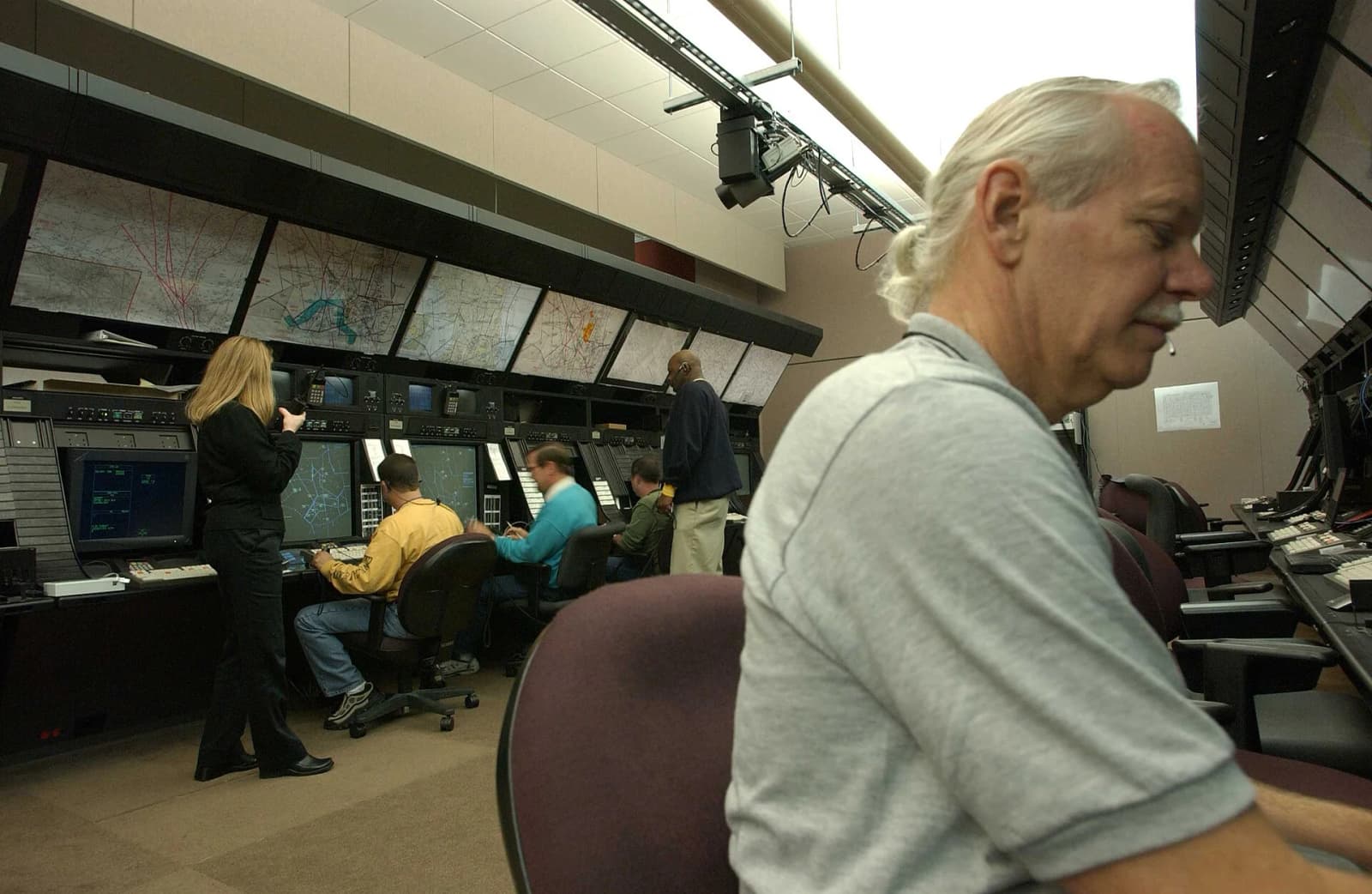
The US Federal Aviation Administration (FAA) said on Tuesday, 17 November, that it has switched off a potentially faulty function in its telecommunications network and stopped installing new routers of the type linked to last week's nationwide halt in flights. On the same day, 13 Democratic senators asked the agency to hold back a much larger plan to replace thousands of routers until the investigation is over, Al Jazeera and Reuters reported.
What the FAA has done
In a notice on its website, the FAA said it had "addressed the initial cause of the disruption" by disabling a function on the Juniper routers where the problem began, according to the report. As a precaution, the agency said it had turned off the same function on more than 60 other Juniper routers and paused further installation of the devices.
The FAA has not said that the hardware itself was defective. Its findings so far are preliminary, and the root cause of the failure has not been confirmed.
What happened on 13 November
On Friday, 13 November, the FAA ordered flights across the United States to stay on the ground for about four hours. More than 10,000 flights were cancelled and the knock-on effects continued to disrupt air travel in the days that followed, the report said. It was only the second such sweeping order since the attacks of 11 September 2001.
The agency said at the time that its system became "unstable" after an upgrade, and that a flood of data swamped other equipment, disturbing aircraft communications and radar feeds. It described the ground stop as a step taken "out of an abundance of caution".
On Sunday, 15 November, the FAA said its initial investigation pointed to upgrade work at two locations: a radar site in Amarillo, Texas, and a radio communications site in El Dorado, Arkansas. L3Harris, the FAA's network service provider, was replacing old copper wiring with fibre-optic lines and old routers with Juniper Networks devices there. The FAA said this modernisation work had been under way for years.
Senators seek a wider pause
The letter to the FAA came from 13 Democratic members of the Senate Commerce Committee, led by Senator Maria Cantwell. Citing information from L3Harris, the senators said 3,648 routers were to be converted to Juniper devices, of which about 400 had been installed and 69 were in operation. They asked the agency to stop plans to replace more than 3,000 remaining routers until investigators finish their work.
The Federal Bureau of Investigation said on Tuesday that it was working with the Department of Transportation, the FAA and L3Harris, and that it had not taken possession of any equipment.
Transportation Secretary Sean Duffy told ABC on Sunday that safety was his top priority and that the department would act on any network inconsistency affecting communications between controllers, pilots or data systems.
A dispute over money
The outage has sharpened an existing argument in Washington over how to pay for modernising air traffic control. The White House has asked Congress for $50 billion to overhaul the FAA's technical infrastructure. Democratic lawmakers have resisted, saying the administration was authorised to spend $12.5 billion last year and has used only a fraction of it, according to the report.
Other outages, no established link
The FAA failure was one of several technology disruptions in the US in recent days. Al Jazeera separately reported on Tuesday that the National Security Agency blamed a problem on its internal network on "scheduled routine maintenance", after CNN reported an outage; an agency spokesperson told the outlet that mission-critical capabilities remained fully operational. Major banks and United Airlines also reported system problems on Monday. No connection between these incidents has been established.
Asked about the disruptions on Tuesday, President Donald Trump told reporters, "Things like that happen."
What happens next
The investigation into the 13 November failure is continuing, and the FAA has not said when installation of the new routers will resume. The agency has also not publicly responded to the senators' request to halt the wider replacement programme.