The Ebola outbreak in the Democratic Republic of the Congo (DRC) has more than doubled in size in three months, the head of the World Health Organization (WHO) said on Tuesday, 17 November 2026. Dr Tedros Adhanom Ghebreyesus put the count at more than 11,000 cases and 5,400 deaths, spread across 67 health zones in eight provinces, UN News reported.
He was speaking at the opening of the third meeting of WHO's Emergency Committee on the epidemic, which is caused by the Bundibugyo virus.
Children hit hardest
According to the figures Tedros shared, children account for more than a quarter of confirmed cases and a third of deaths. Among children under five with confirmed infection, seven in ten have died. Children are "paying a terrible price," he said, as quoted by UN News.
Spread beyond DR Congo
"The risk beyond the DRC's borders is not theoretical," Tedros told the committee, according to UN News.
Kenya has reported nine cases linked to the outbreak, including two deaths, all traced to one imported case. Nigeria has reported one imported case.
The WHO chief also criticised blanket travel restrictions. He said such measures get in the way of the response and discourage countries from reporting outbreaks quickly.
What has improved
- Rapid transmission has been halted in most of the early epicentres, Tedros said.
- The number of laboratories able to test for the virus has gone up from two to more than two dozen.
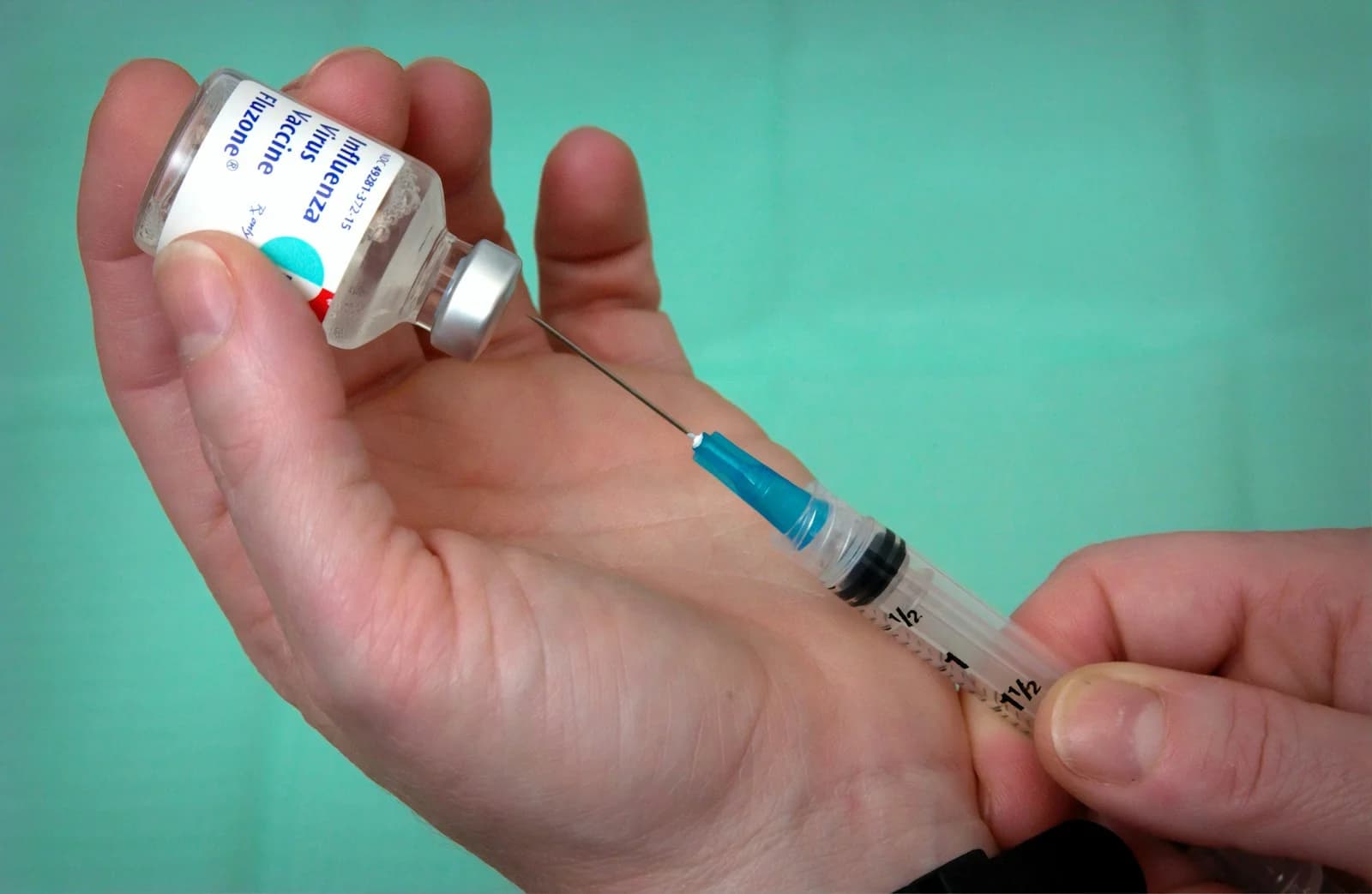
- Two candidate vaccines against the Bundibugyo virus are due to join an ongoing trial in the coming weeks.
What is still worrying
Tedros cautioned that "progress in some places is not control of the outbreak as a whole." Between 400 and 500 new cases are still being reported every week. Two-thirds of confirmed deaths are happening outside Ebola treatment centres, which he said points to infections being identified late.
What happens next
The committee's conclusions from the third meeting had not been reported at the time of writing.