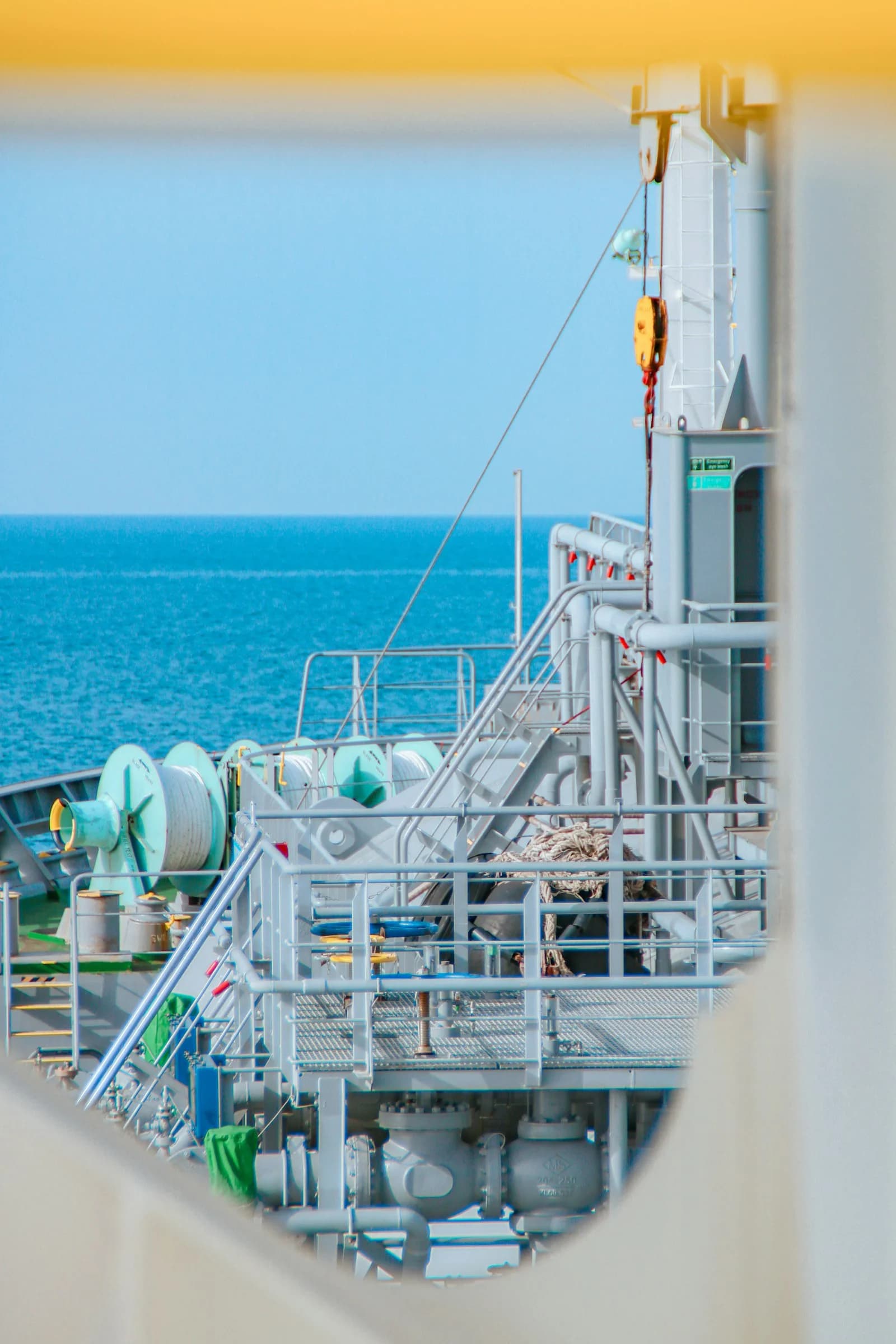
A Panama-flagged LPG tanker with 24 Indians among its 25 crew was hit twice in the Strait of Hormuz within about a day, leaving one Indian seafarer missing and two in hospital in Oman. India's External Affairs Ministry condemned the attack on 17 November and called the continuing strikes on shipping in the region "deeply worrisome". The incident has pushed a months-long shipping crisis back to the top of the news in India, because it touches two things at once: the safety of Indian seafarers and the route that Gulf cooking gas and crude take to reach the country.
Our news report on the ministry's statement is here: India condemns attack on LPG tanker Tara Gas in Strait of Hormuz.
What happened
According to the maritime news site gCaptain, which cited warnings issued by the UK Maritime Trade Operations (UKMTO) agency, the tanker Tara Gas was attacked at about 1900 UTC on 16 November, roughly seven nautical miles north of Khasab in Oman. The strike disabled the ship and started a fire in the engine room. At that stage the crew was reported safe.
On 17 November, UKMTO said a maritime security agency had reported a second strike on the same vessel, causing another fire, and that the whereabouts of the crew were unaccounted for, gCaptain reported. Ports, Shipping and Waterways Minister Sarbananda Sonowal, who had named the ship and described the 16 November incident as a missile attack, later confirmed a further attack and said the whole crew had abandoned the vessel.
The External Affairs Ministry, in a statement carried by ANI and published by The Tribune, said that of the 24 Indian nationals on board, 21 had been brought ashore safely at Khasab, two injured crew members had been admitted to hospital and one Indian national was missing. "Our Embassy in Oman is closely monitoring the ongoing search and rescue operations," the ministry said, thanking the Government of Oman for its help.
Background and timeline
The Tara Gas strike is part of a cluster of incidents in and around the strait this month. Anadolu Agency links the tension at sea to the US-Israeli offensive against Iran that began on 28 February, and reports that Washington and Tehran signed a memorandum in June, after which disputes over navigation and maritime security have continued.
- 10 November: Iran's Revolutionary Guards said an oil tanker hit a naval mine and exploded after using a route in the strait that Tehran had not authorised, Anadolu reported.
- 11 November: UKMTO reported an incident involving a tanker in the strait without giving the ship's name, flag or the condition of the crew, the agency said.
- 16 November, 0558 UTC: A tanker sailing out of the strait was struck by an unidentified projectile, causing an engine-room fire; all crew were accounted for, according to gCaptain's account of the UKMTO warning.
- 16 November, about 1900 UTC: First attack on Tara Gas near Khasab.
- 17 November: Second strike on Tara Gas reported; India issues its condemnation.
Iranian authorities have repeatedly warned commercial ships against using routes other than those Tehran designates, Anadolu reported. In the ANI report, the Iranian Navy attributed a separate tanker fire to a naval mine, said that vessel was in a restricted zone with its navigation systems switched off, and warned that unauthorised movement leads to "encountering mines and fires".
The verified numbers
- Crew: 25 on board Tara Gas, 24 of them Indian (External Affairs Ministry and Shipping Minister).
- Casualties, as stated by the External Affairs Ministry: 21 Indians ashore at Khasab, two in hospital, one missing.
- Traffic through the strait: The tracking site Straits.live, citing IMF PortWatch data, recorded two transits on 15 November against a pre-crisis norm of 85 a day. It counted 17 November as day 262 of the closure.
- Oil: Brent crude was around $93 a barrel on 17 November, according to Oilprice.com and Straits.live. Oilprice.com's price table showed the Indian crude basket at $92.74.
- LPG at home: Petroleum Minister Hardeep Singh Puri said on 27 October, in remarks reported by PTI, that domestic LPG output had been raised from 34,000 to 55,000 tonnes a day and import sources widened from 27 to 41 countries. Normal demand is 51 to 52 lakh cylinders a day, he said.
What the different sides say
India has not named any party as responsible. The External Affairs Ministry's statement says "the targeting of commercial shipping and civilian infrastructure must end" and calls for free navigation to be restored. Prime Minister Narendra Modi raised the safety of seafarers at the East Asia Summit in Manila the same day.
Iran's naval forces describe the recent tanker fires as the result of ships straying into mined or restricted waters. Straits.live notes that Iran says four tankers caught fire after hitting mines, that no maritime authority has confirmed this, and that UKMTO has not stated a cause for the incidents it logged.
Maritime agencies have been cautious. gCaptain reports that responsibility for the Tara Gas strikes has not been independently established, and that footage of a burning vessel circulating online is unverified.
Oil traders appear to be weighing two opposite forces. Oilprice.com described prices as "somewhat directionless", with what it called record tanker attacks in Hormuz offset by rising Middle East exports, and carried a Goldman Sachs warning of a large oil glut in 2027.
What it means for Indian readers
Seafarers and their families: Indians made up almost the entire crew of Tara Gas, a foreign-flagged ship. The External Affairs Ministry's statement makes the Indian Embassy in Oman the point of contact for the rescue effort; the Shipping Minister said authorities were in touch with the ship's management company.
Cooking gas: None of the official statements on the attack says anything about a disruption to LPG supply in India, and no source consulted for this article reports a shortage this week. Mr Puri's position in late October was that India never reached a stage of widespread unavailability, and that a spike in bookings to nearly 90 lakh cylinders a day had been driven by rumour. "There is no conceivable way that the demand can increase two-fold," PTI quoted him as saying. He also said 67 per cent of India's LPG imports were now coming from the United States. The practical message from the ministry then was against panic booking; state civil supplies departments carried out raids against hoarding.
Fuel prices: Crude in the low-to-mid $90s is the backdrop for the Centre's latest fortnightly revision of export levies, which Oilprice.com reported as ₹14 a litre on diesel and ₹12.50 on jet fuel. No change in retail petrol, diesel or cylinder prices has been announced in connection with the Tara Gas attack.
What is established
- Tara Gas, a Panama-flagged LPG tanker, was attacked in the Strait of Hormuz on 16 November; this is stated by the External Affairs Ministry, the Shipping Minister and UKMTO warnings.
- The ship carried 25 crew, 24 of them Indian.
- One Indian seafarer is missing. Both the External Affairs Ministry and the Shipping Minister's later statement say so.
- The crew left the vessel and survivors were taken to Khasab in Oman, where Omani authorities assisted.
- India has formally condemned the attack.
What remains uncertain
- Who carried out the strikes. No government or agency cited here has attributed the Tara Gas attack to a named party, and no claim of responsibility appears in the reports consulted.
- The weapon. Mr Sonowal called it a missile attack; UKMTO's warnings, as reported, do not specify the cause.
- The early crew count. Mr Sonowal's first post said all 24 Indians and the full crew were "completely safe with no injuries". The External Affairs Ministry later reported one missing and two injured. gCaptain quoted the minister as subsequently saying 24 crew members were accounted for and one Indian seafarer was missing. Whether the injuries came from the first or the second strike is not stated.
- Iran's mine claims. Tehran says several tankers have burned after hitting mines; maritime authorities have not confirmed the number or the cause.
- The ship's cargo, route and condition. The reports consulted do not say where Tara Gas was headed, whether it was loaded, or how badly it is damaged.
What happens next
The immediate focus is the search for the missing seafarer, which the Indian Embassy in Oman is following with Omani authorities. Oilprice.com reported that Iran and Oman are holding talks on security in the strait. On the wider conflict, Anadolu reported earlier in the month that Qatar had secured at least two more weeks to pursue a US-Iran agreement, with Qatar's prime minister saying significant differences remained, mainly over the timeline for implementing a deal. Until there is movement on that front, ship operators are relying on UKMTO's standing advice to transit with caution and report suspicious activity.