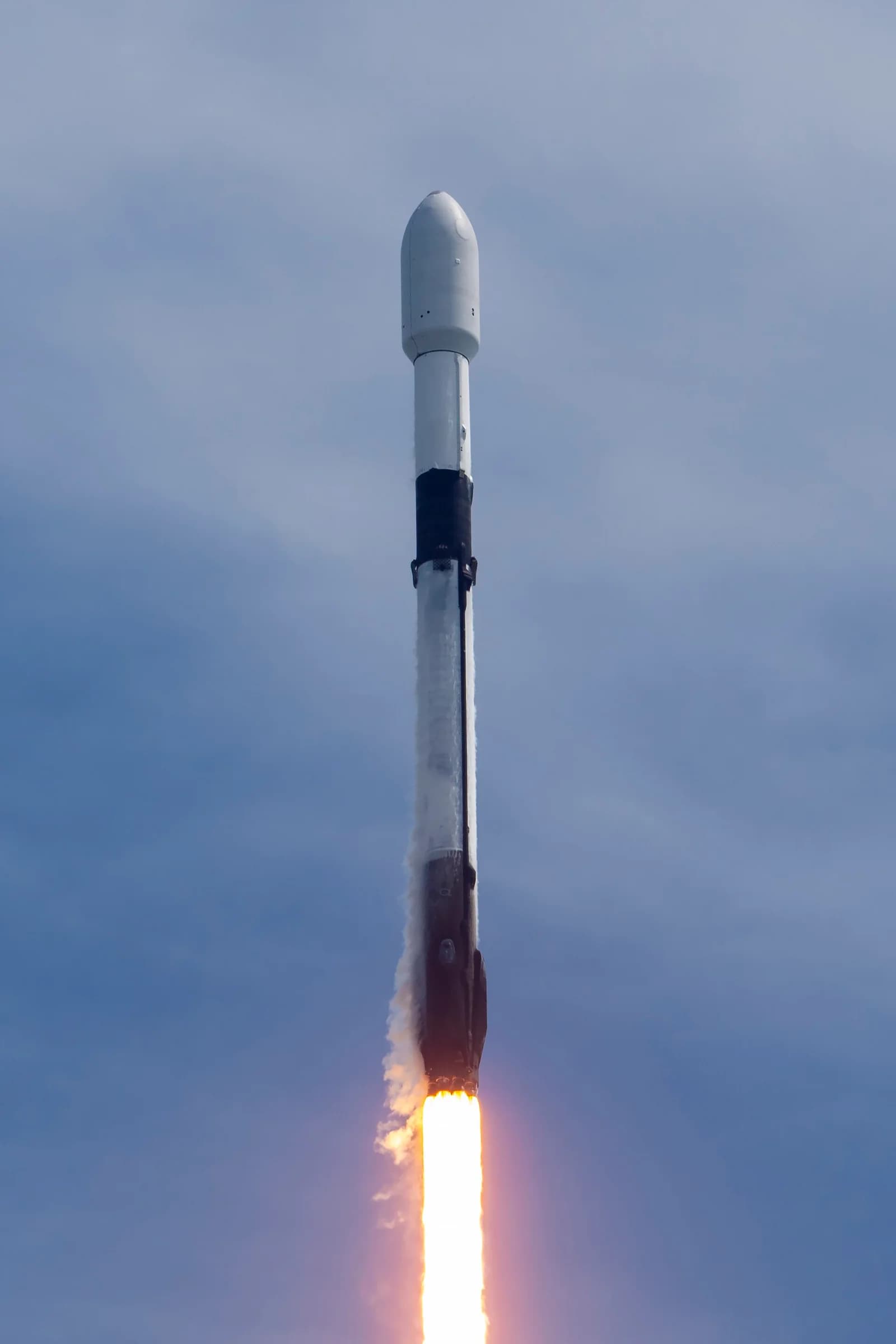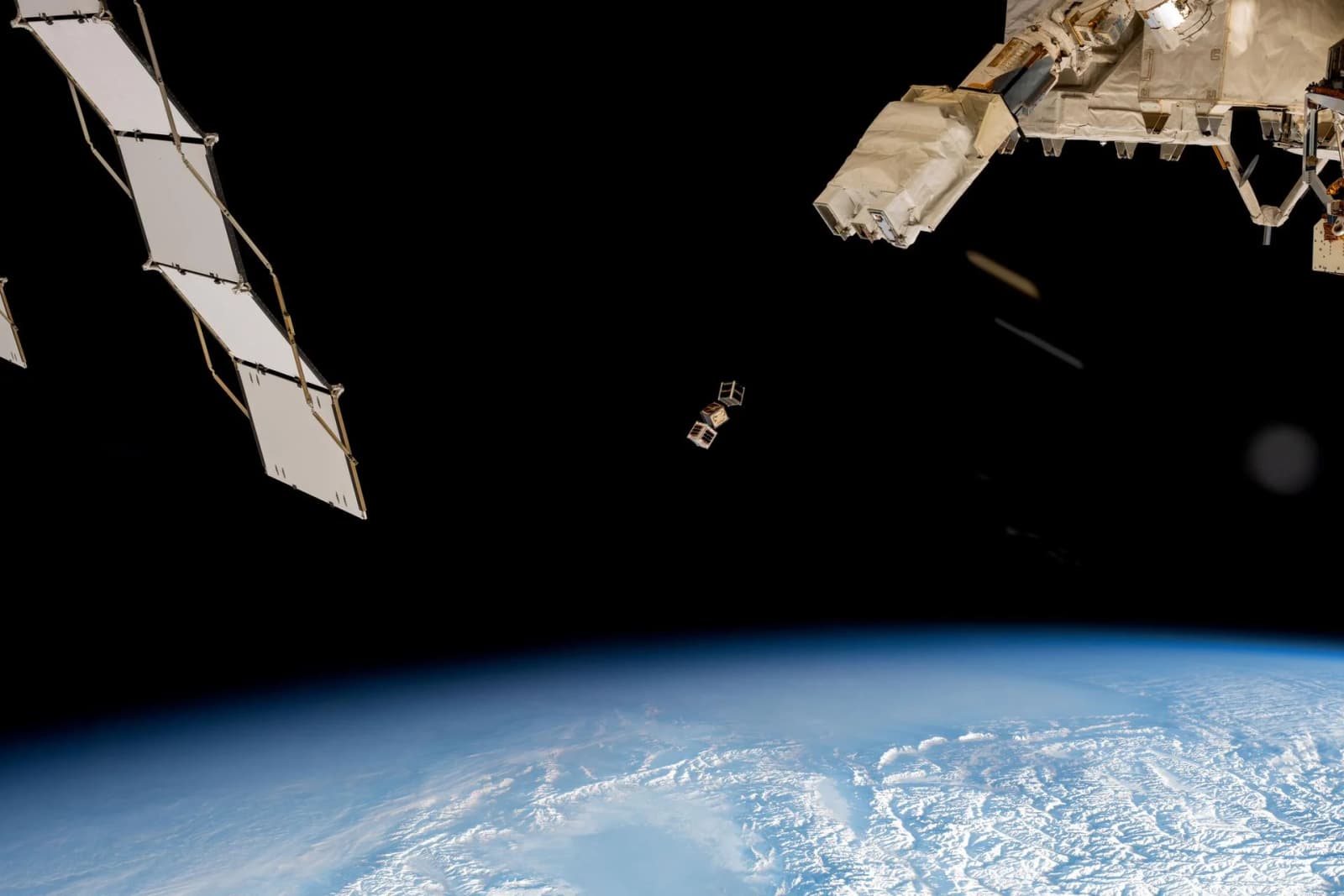
The United States Federal Communications Commission (FCC) on 25 November 2026 gave SpaceX conditional permission to put up to one million satellites designed to work as data centres into low-Earth orbit, a project the company calls Starmind. MapMyTimes reported the approval along with the objections from astronomers and rivals. This explainer looks at what the FCC actually signed off on, what it left undecided, and what comes next.
What is Starmind?
Starmind is SpaceX's planned constellation of up to 1,000,000 satellites that would act as computing hardware in orbit, processing data for artificial intelligence and sending the results back to Earth. The FCC's 25 November news release describes them as "orbital compute modules" and calls the grant the first authorisation in US history for a constellation of data centres in space.
According to the FCC order (DA 26-1273), the satellites are to be placed in orbital shells, each 50 km deep, at altitudes between 500 km and 1,002 km, in 30-degree and sun-synchronous inclinations. The order lists six nominal operating bands, the lowest at 550 to 568 km and the highest at 967 to 1,002 km.
The BBC reported that SpaceX sees solar-powered orbital data centres as a cost- and energy-efficient way to meet demand for AI computing, and that Starmind satellites will talk to SpaceX's Starlink satellites, which then relay data to the ground.
What exactly did the FCC approve?
The FCC approved radio spectrum for backup and emergency control of the constellation, not the data processing itself. The order says Starmind will rely on optical (laser) links for its communications. What SpaceX received is permission to use two Ka-band ranges, 18.8 to 19.3 GHz for space-to-Earth and 28.6 to 29.1 GHz for Earth-to-space, for backup and emergency telemetry, tracking and command if those optical links fail.
Those frequencies come on an "unprotected and non-interference basis". In practice, SpaceX cannot claim protection from other operators, and it must stop any transmission that causes documented harmful interference. It must also coordinate with US federal users of the bands before it starts operating.
The order was issued by the Chief of the FCC's Space Bureau under delegated authority. It is marked "granted-in-part/deferred-in-part" with conditions.
Why is it in the news?
It is in the news because no regulator had approved anything like it before, and because it sets hard deadlines. SpaceX filed its application on 30 January 2026, and the FCC accepted it for filing on 4 February. The order records petitions to deny from Amazon's Kuiper Systems (Amazon Leo), satellite operator Viasat and the American Astronomical Society (AAS).
FCC Chairman Brendan Carr said in the release that the decision "opens a bold new frontier for the computing infrastructure needed to power America's leadership and growth." The BBC reported that Amazon had called the project a "lofty ambition rather than a real plan", and that the AAS said it was "disheartened and dismayed" by the decision.
The licence will become null and void if SpaceX misses these deployment milestones set in the order:
- one satellite in orbit and operating by 25 November 2033;
- 10% of the authorised satellites by 25 November 2035;
- 50% by 25 November 2038;
- the rest of the constellation by 25 November 2040.
The 15-year licence term starts only when SpaceX certifies that its first Starmind satellite is in orbit and operating in line with the grant. The BBC reported that the company has said it wants to launch its first Starmind satellite next year.
What did the FCC leave unresolved?
Several questions remain open, especially about space debris. The order finds SpaceX's debris mitigation plan compliant for satellites below 600 km. SpaceX must file a modification application with a final debris plan before it deploys any satellite above that height.
SpaceX had also asked to dispose of some satellites above 600 km by sending them into higher "disposal" orbits or orbits around the Sun instead of letting them burn up in the atmosphere. The FCC deferred that request, saying SpaceX had not given enough information.
The regulator granted SpaceX's requests to waive the surety bond rules and the processing-round rules, under which competing applicants are normally considered together. SpaceX must also send the FCC semi-annual reports, by 1 January and 1 July, giving the number of close-approach events, satellites removed from service, re-entries and satellites deployed.
How does it affect you?
For most people, the most visible effect, if the constellation is built, would be in the night sky. The AAS told the FCC that Starmind involves larger, brighter and more numerous satellites, and the BBC quoted the society as saying they would "be visible as extremely bright objects for longer periods in the night sky".
The FCC dismissed that concern. Its order says the commission's rules do not cover the protection of optical astronomy and that SpaceX's commitment to coordinate with the US National Science Foundation was enough. It also found the AAS argument about infrared "waste heat" from the satellites to be outside the scope of a radio licence. The FCC declined to require further environmental review, and it called concerns about atmospheric effects from satellites burning up on re-entry "speculative".
For the wider technology industry, the decision is a signal. The FCC says it is reviewing other orbital data centre proposals and plans to decide on each one "expeditiously". Whether data centres in orbit become a real alternative to ground facilities, which use large amounts of power and water, is still unproven. Prof Sir Martin Sweeting, executive chairman of Surrey Satellite Technology, told BBC Radio 4 that the idea seemed "technically feasible", but that the ground-to-space laser links needed to move such large volumes of data had not yet been perfected.
What is established and what is uncertain?
Established: the FCC order exists and was released on 25 November 2026. It covers up to 1,000,000 satellites and sets the 2033 to 2040 milestones. It grants only backup Ka-band spectrum and attaches debris conditions above 600 km.
Uncertain: whether SpaceX will build anything close to a million satellites. The BBC noted it is unclear whether the company sought approval for more satellites than it will use. Also unknown are when the first satellite will fly, and whether laser links and in-orbit cooling will work at this scale.
What happens next?
The next step is SpaceX's response. The order gives SpaceX 30 days from release to decline the grant as conditioned, and says that if the company does not respond, it will be treated as having accepted. Before any satellite flies above 600 km, SpaceX must return to the FCC with a modification application and a final debris plan. The FCC also has to decide the other orbital data centre applications still before it.