India has joined the United States and eight other countries in signing the San Francisco Declaration on the Secure Foundations of Enduring Prosperity, committing to treat the protection of Artificial Intelligence (AI) and semiconductor supply chains as a shared responsibility amid intensifying competition with China in critical technologies. Signed on Sunday, November 15, 2026 at a meeting of Pax Silica founders convened by U.S. Under Secretary of State for Economic Affairs Jacob Helberg, the pact brings together India, the U.S., Australia, Israel, Japan, South Korea, Qatar, Singapore, the United Arab Emirates, and the United Kingdom.
Building on Pax Silica Against Supply Chain Risks
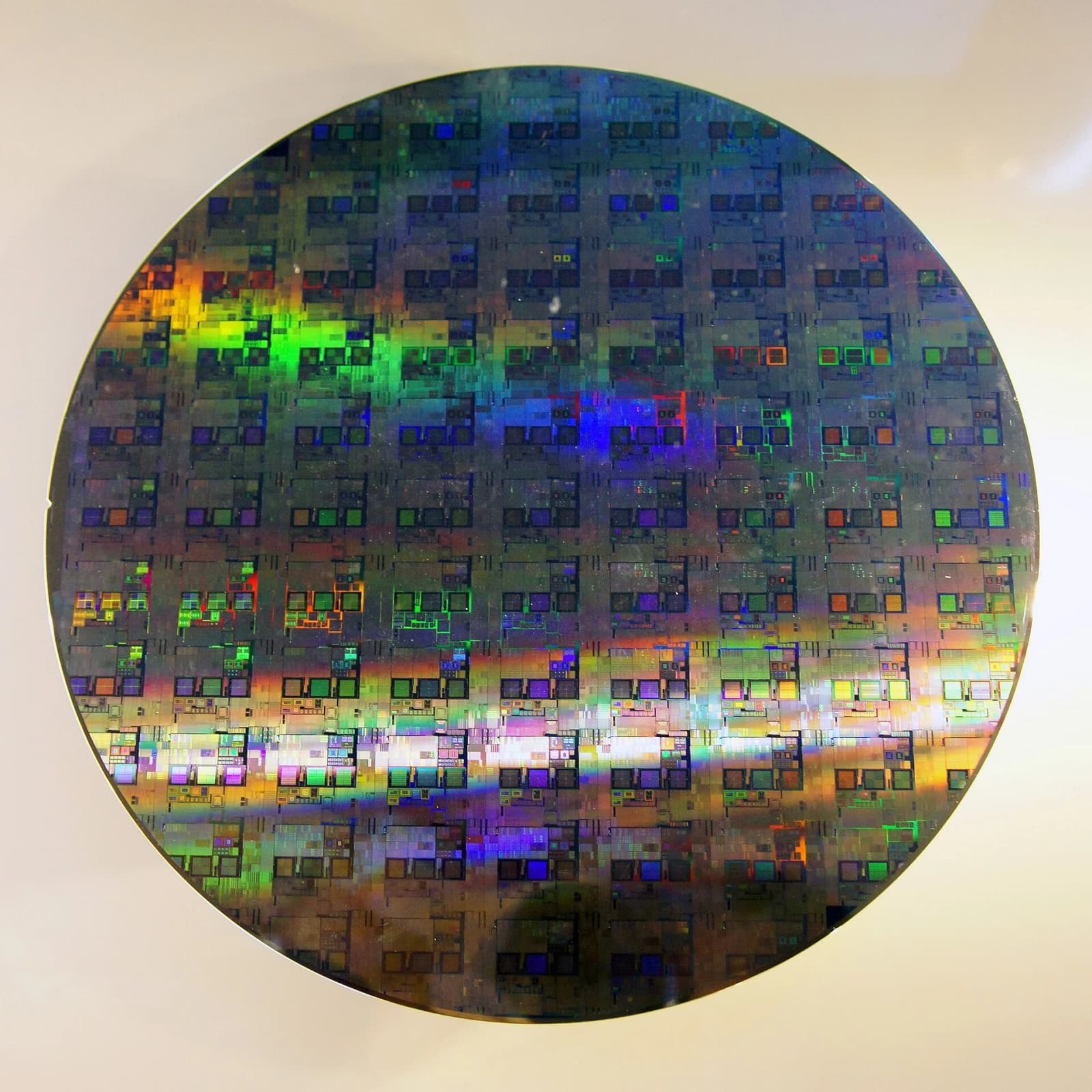
Launched by Washington in December 2025, the Pax Silica initiative focuses on securing silicon, critical minerals, chipmaking machinery, energy, and shipping networks essential to semiconductor manufacturing and advanced AI—referred to as Super Intelligence (SI) by the U.S. government under an executive order from President Donald Trump. As Helberg noted in remarks explaining global interdependence, chip design know-how, manufacturing equipment, and export ports often span multiple countries.
The San Francisco Declaration states that economic security is fundamental to national security and commits participating governments to cooperate against technology theft, unauthorised access, economic coercion, and hostile interference across sensitive infrastructure.
Five Working Groups and European Expansion
To translate shared principles into action, the declaration establishes five working groups covering pro-innovation policy frameworks, AI/SI adoption in key sectors, supply chain cooperation across the full technology stack, safe harbours and supply chain security hubs, and AI/SI security and resilience. According to Helberg, Germany, Sweden, the Netherlands, and the European Commission were also expected to join the declaration the following week.
For India, joining the framework aligns with domestic priorities in semiconductor manufacturing, electronics, critical mineral resilience, and research partnerships while keeping focus on trusted multi-country technology networks.