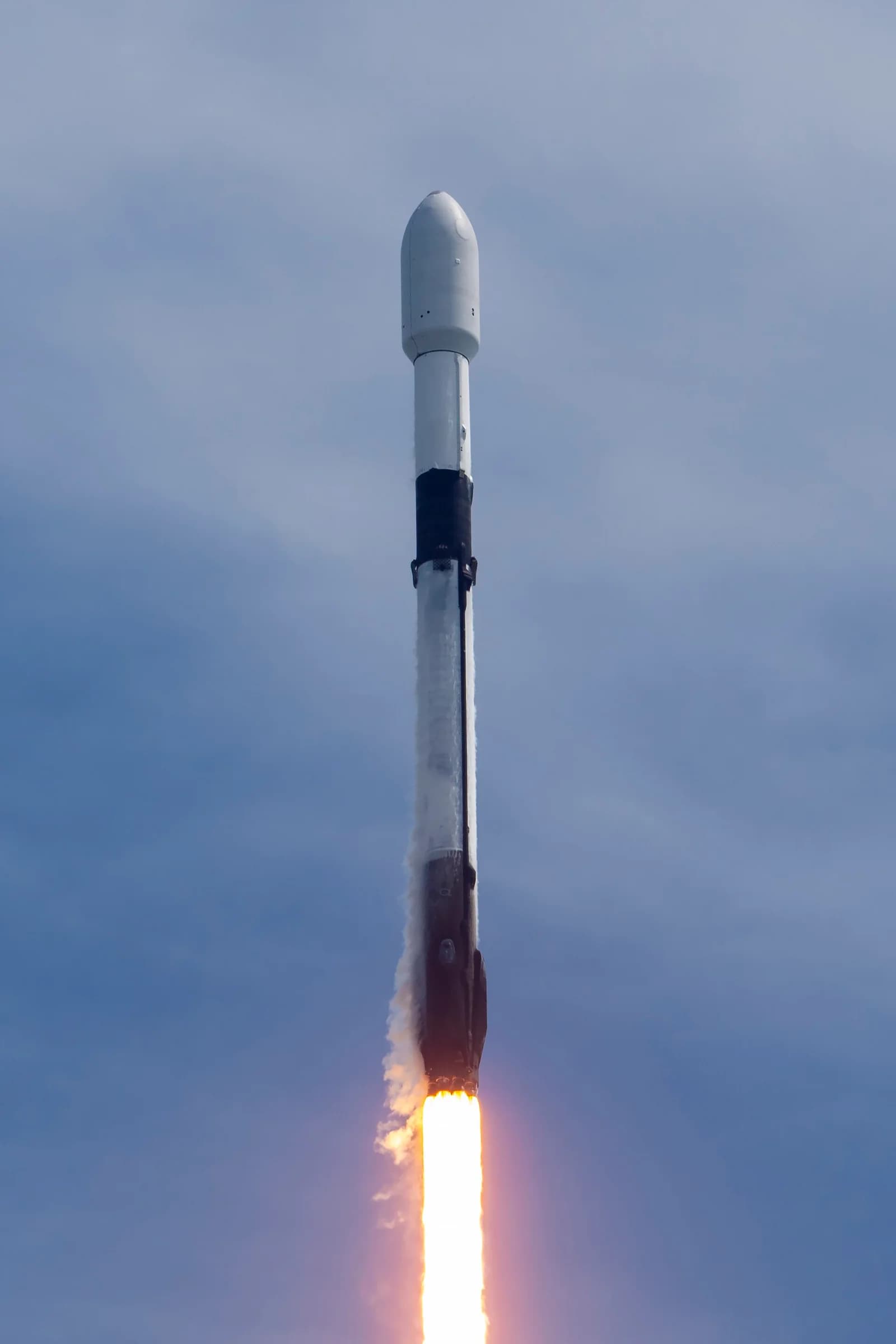
NASA launched the Northrop Grumman Commercial Resupply Services 25 (CRS-25) mission to the International Space Station at 10:47 a.m. EST on Sunday, November 29, 2026, sending roughly 11,000 pounds of scientific experiments, technology demonstrations, and crew supplies into orbit. Liftoff took place aboard a SpaceX Falcon 9 rocket from Space Launch Complex 40 at Cape Canaveral Space Force Station in Florida.
Arrival Timeline and Orbital Operations
The Cygnus XL cargo spacecraft—named the S.S. James "Jim" A. Lovell in tribute to the late NASA astronaut who flew Gemini VII, Gemini XII, Apollo 8, and Apollo 13—is scheduled to arrive at the orbital laboratory on Tuesday, December 1. At approximately 2:35 a.m. EST, NASA astronauts Jessica Watkins and Luke Delaney will capture the spacecraft using the station's Canadarm2 robotic arm.
Once captured, robotics flight controllers at NASA's Johnson Space Center in Houston will remotely guide Canadarm2 to berth Cygnus XL onto the Earth-facing port of the Unity module. Crew members aboard the station will then open the hatches and begin unloading supplies and experiment hardware.
Key Research Payloads Heading to Orbit
CRS-25 carries dozens of microgravity investigations aimed at both healthcare advances on Earth and deep-space exploration. Planned studies include research to improve targeted drug delivery for cancer and osteoarthritis treatments, methods to predict cancer progression, and new approaches for countering muscle loss.
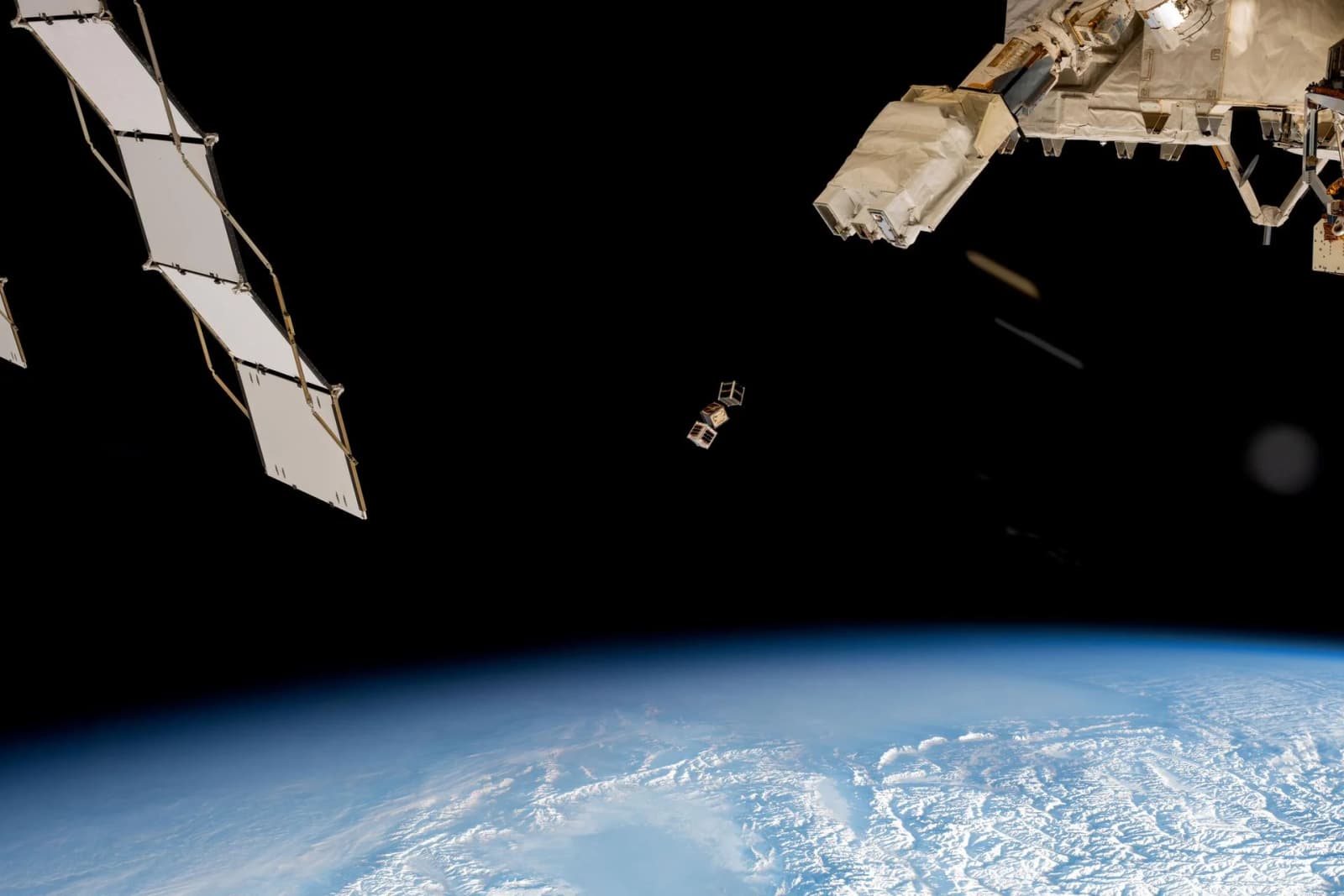
Additional payloads focus on enhanced radiation sensing and space crop food production technologies needed for future long-duration missions to the Moon and Mars. Cygnus XL is scheduled to remain docked at the station until May 2027, when it will depart carrying several thousand pounds of unneeded equipment and trash to burn up safely during atmospheric re-entry.