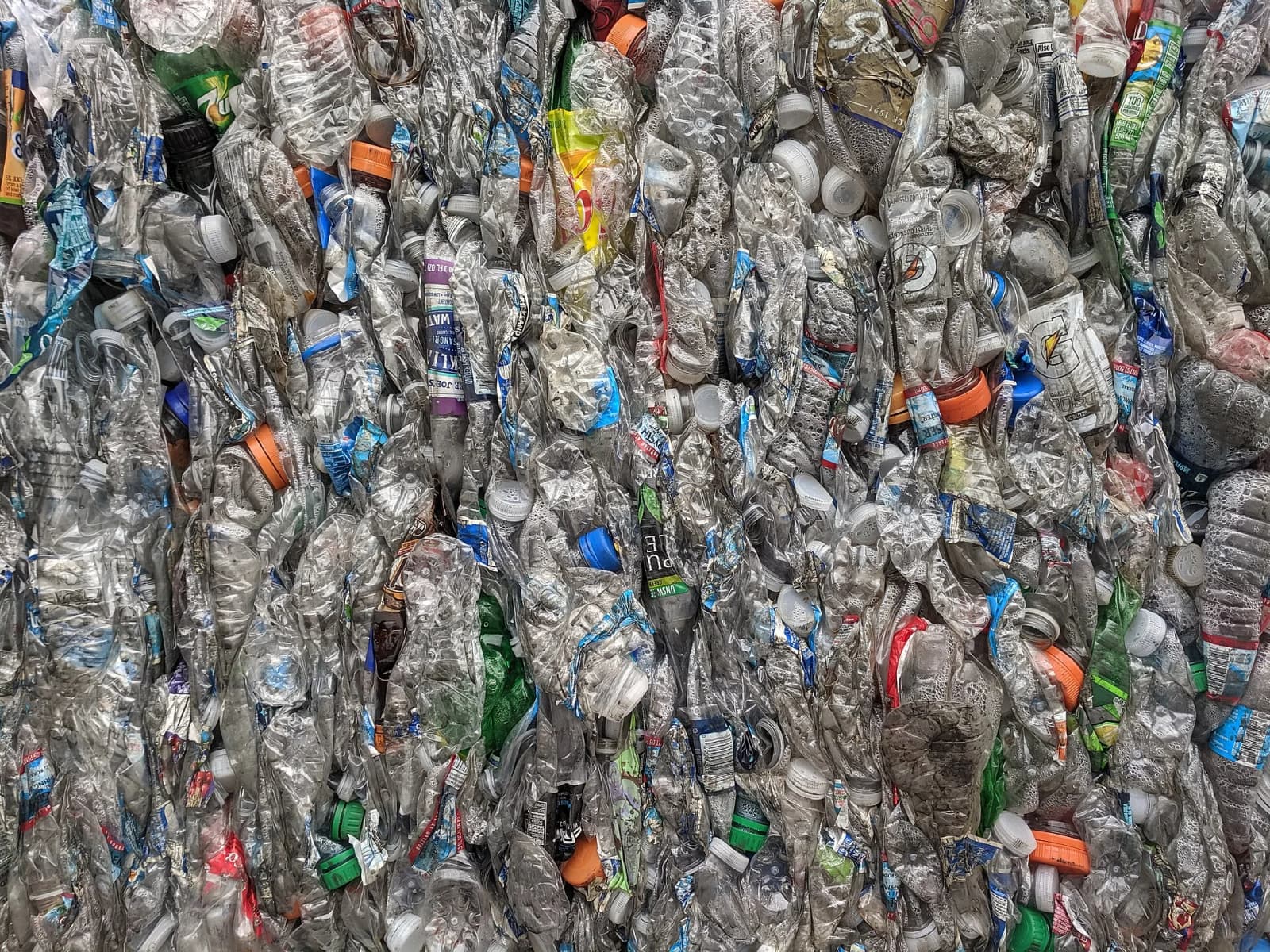
The European Union stopped exporting plastic waste to countries outside the Organisation for Economic Co-operation and Development (OECD) on 21 November 2026, a ban the European Commission says will last until at least 21 May 2029. MapMyTimes reported the start of the ban on 21 November. This explainer sets out what the rule covers, why it matters beyond Europe and what is still undecided.
What is the EU plastic waste export ban?
It is a legal prohibition on shipping plastic waste from any EU member state to a non-OECD country, applied under the EU Waste Shipment Regulation. According to the Commission's announcement of 20 November 2026, that regulation, numbered (EU) 2024/1157, entered into force on 20 May 2024 and set later dates for its stricter export rules to start.
The plastic ban is the first of those to bite. Exports of plastic waste to OECD members are still permitted, but the Commission says it is now monitoring them and will check whether countries that take in large amounts can handle the waste in an environmentally sound way.
Why is it in the news now?
It is in the news because the ban took legal effect on Saturday, 21 November 2026, halting a trade that the Commission's own figures show was substantial. The Commission says the EU produces about 40 million tonnes of plastic waste a year and exports between 1 million and 1.5 million tonnes of it annually.
In 2025, roughly half of that exported plastic went to OECD countries and half to non-OECD countries, according to the Commission. The largest destinations were:
- Türkiye: 510,000 tonnes
- Malaysia: 276,000 tonnes
- Indonesia: 215,000 tonnes
- Vietnam: 137,000 tonnes
- United Kingdom: 108,000 tonnes
Malaysia, Indonesia and Vietnam are outside the OECD, so those flows must now stop. Türkiye and the United Kingdom are OECD members, so shipments to them can continue under closer watch.
Why did the EU decide to do this?
The Commission's stated reason is that the EU should take responsibility for its own waste rather than pass the environmental cost to other countries. In its 20 November statement, the Commission said sending plastic waste to non-OECD countries is not a sustainable way of managing plastic generated in the EU and is likely to create serious environmental problems in the receiving countries.
The Commission also points to earlier steps: in December 2025, it said, it set out measures to strengthen the EU's internal market for recycled plastics and attract investment in recycling.
Does it affect India?
Yes, India falls within the ban, because it is outside the OECD, though India's own rules have long restricted plastic waste imports, and the 2025 figures published by the Commission do not list India among the top destinations. India is not an OECD member; the OECD lists it as one of its key partners, a separate status from membership.
India's own restriction dates back to 2019. On 6 March 2019, the Ministry of Environment, Forest and Climate Change said in a release issued through the Press Information Bureau that it had amended the Hazardous and Other Wastes (Management and Transboundary Movement) Rules, 2016, to prohibit the import of solid plastic waste into the country, including into Special Economic Zones and by Export Oriented Units.
The bigger question for India lies ahead. From 21 May 2027, the EU will, as a general rule, stop exporting all kinds of waste to non-OECD countries. Certain non-hazardous wastes can still be sent to non-OECD countries that formally ask to receive them and show they can manage them sustainably. The Commission said on 18 September 2026 that 32 countries had asked to be authorised and that it had published a draft list. MapMyTimes has not been able to confirm from the Commission's announcement which countries are on that draft list, or whether India applied.
How does it affect you?
For most readers in India, nothing changes immediately in daily life: no consumer product is banned and no household rule changes. The ban regulates trade between waste exporters in Europe and importers abroad.
Its effects are more likely to be felt by recycling and waste-trading businesses. Companies in Europe that relied on exports to South-East Asia must now find buyers in OECD countries or process the waste at home. Importers in Malaysia, Indonesia and Vietnam lose an EU supply. Indian firms that trade in other EU waste streams, such as non-hazardous scrap, will need to watch the May 2027 deadline and the final authorised list.
What is established, and what is still uncertain?
Established: the ban began on 21 November 2026; it runs until at least 21 May 2029; exports to OECD countries remain allowed; and the EU's 2025 export volumes are those published by the Commission.
Uncertain: where the plastic that used to go to South-East Asia will now end up; whether Türkiye, the largest destination, will see more shipments, given that the Commission published an assessment of exports there on 18 September 2026 and says it is monitoring OECD flows; and which non-OECD countries will be allowed to keep receiving other EU wastes after May 2027.
What happens next?
The next milestone is the first EU list of countries authorised to import non-hazardous EU waste, which the Commission says will be adopted by the end of 2026. The list is to be updated at least every two years, and countries or waste types not on it can apply later.
The general ban on waste exports to non-OECD countries starts on 21 May 2027. For plastic waste specifically, non-OECD countries can apply to receive EU shipments again only after 21 May 2029.
Photo source · Grendelkhan, CC BY-SA 4.0