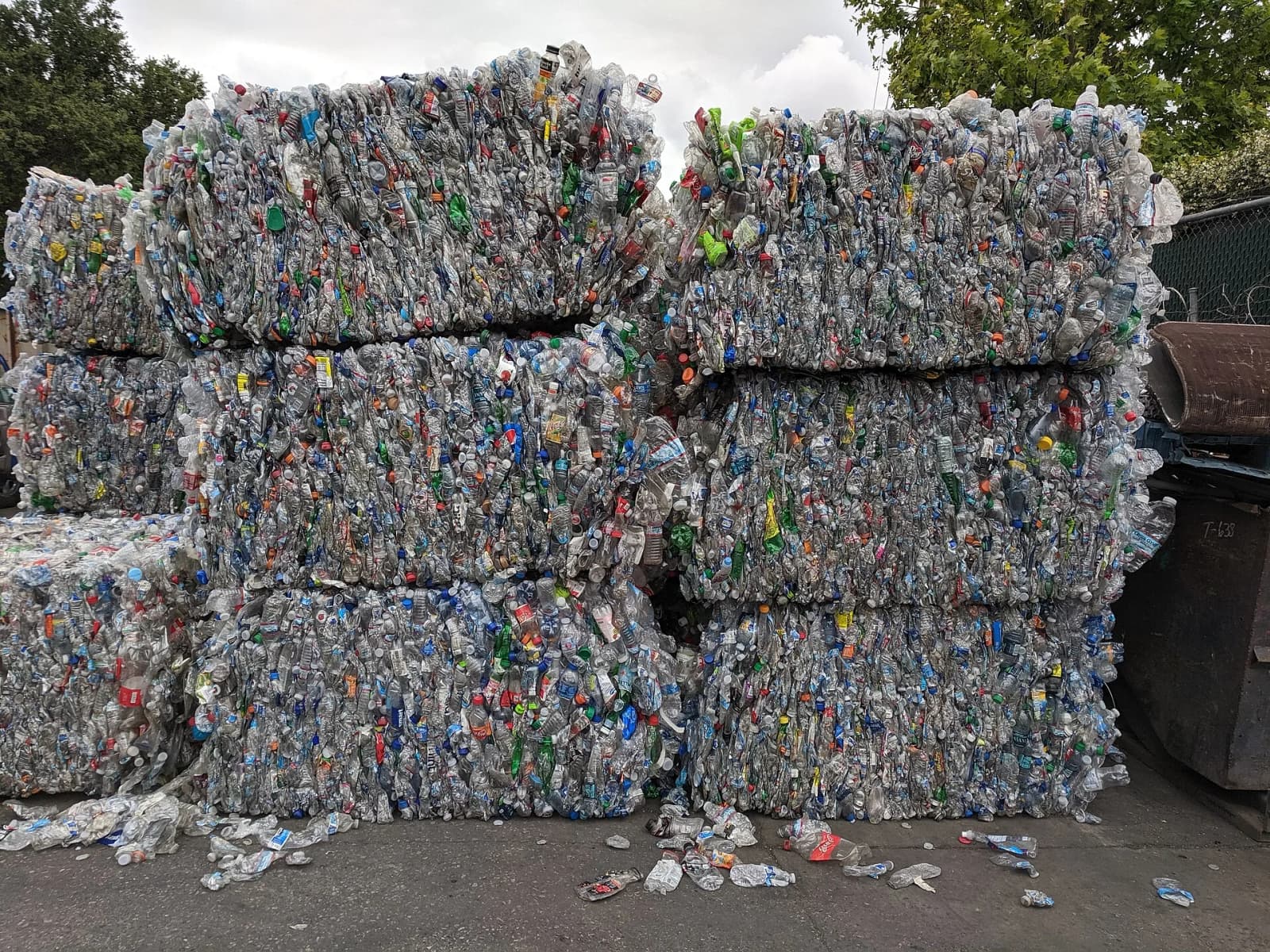
The European Union's ban on exporting plastic waste to countries outside the Organisation for Economic Co-operation and Development (OECD) took effect on 21 November 2026, the European Commission said in Brussels, ending EU shipments of plastic waste to destinations such as Malaysia, Indonesia and Vietnam. The ban applies under the EU Waste Shipment Regulation and will run until at least 21 May 2029.
What exactly is banned from 21 November?
All exports of plastic waste from the EU to non-OECD countries are now prohibited. In its announcement on 20 November, the Commission's environment department said exporting plastic waste to non-OECD countries "is likely to create serious environmental challenges there and is not a sustainable way of managing plastic waste generated in the EU".
After 21 May 2029, non-OECD countries may apply to receive plastic waste from the EU again. Shipments of plastic waste to OECD members remain allowed, but face greater scrutiny: the Commission is monitoring these flows and will assess whether countries receiving large volumes can manage the waste in an environmentally sound way.
How much plastic waste does the EU send abroad?
According to the Commission, the EU generates around 40 million tonnes of plastic waste a year and exports between 1 million and 1.5 million tonnes annually. In 2025, roughly half of those exports went to OECD countries and half to non-OECD countries.
The biggest destinations last year were:
- Türkiye: 510,000 tonnes
- Malaysia: 276,000 tonnes
- Indonesia: 215,000 tonnes
- Vietnam: 137,000 tonnes
- United Kingdom: 108,000 tonnes
Malaysia, Indonesia and Vietnam are outside the OECD, so shipments of plastic waste to them are now stopped. Türkiye and the UK are OECD members; on 18 September 2026 the Commission published an assessment of the sustainability of EU plastic waste exports to Türkiye.
Why is the EU doing this?
The Commission describes the ban as a way to ensure the EU "takes greater responsibility for the waste it generates" and does not shift its environmental burden to other countries. It links the measure to its push for a global treaty on plastic pollution covering the full life cycle of plastics.
"One of the priorities we have is to stop plastic pollution," EU Environment Commissioner Jessika Roswall told reporters on 20 November, according to Reuters, adding that the bloc sees the need for a global plastics treaty. Reuters noted that United Nations negotiations on such a treaty, under way since 2022, remain deadlocked. Climate diplomacy has faced similar strains this week, with the COP31 talks in Antalya heading into their final day without agreement.
What happens next?
The plastic ban is the first step in a wider tightening. From 21 May 2027, the EU will, as a general rule, stop exporting any waste to non-OECD countries. As an exception, certain non-hazardous wastes may still go to non-OECD countries that formally ask to keep receiving them and show they can handle them sustainably.
The Commission published a draft list of such countries in September after 32 countries submitted requests. The first list of authorised countries is due by the end of 2026 and is to be updated at least every two years. Reuters also reported that the Commission is expected to present a Circular Economy Act in December.
Photo source · Grendelkhan, CC BY-SA 4.0