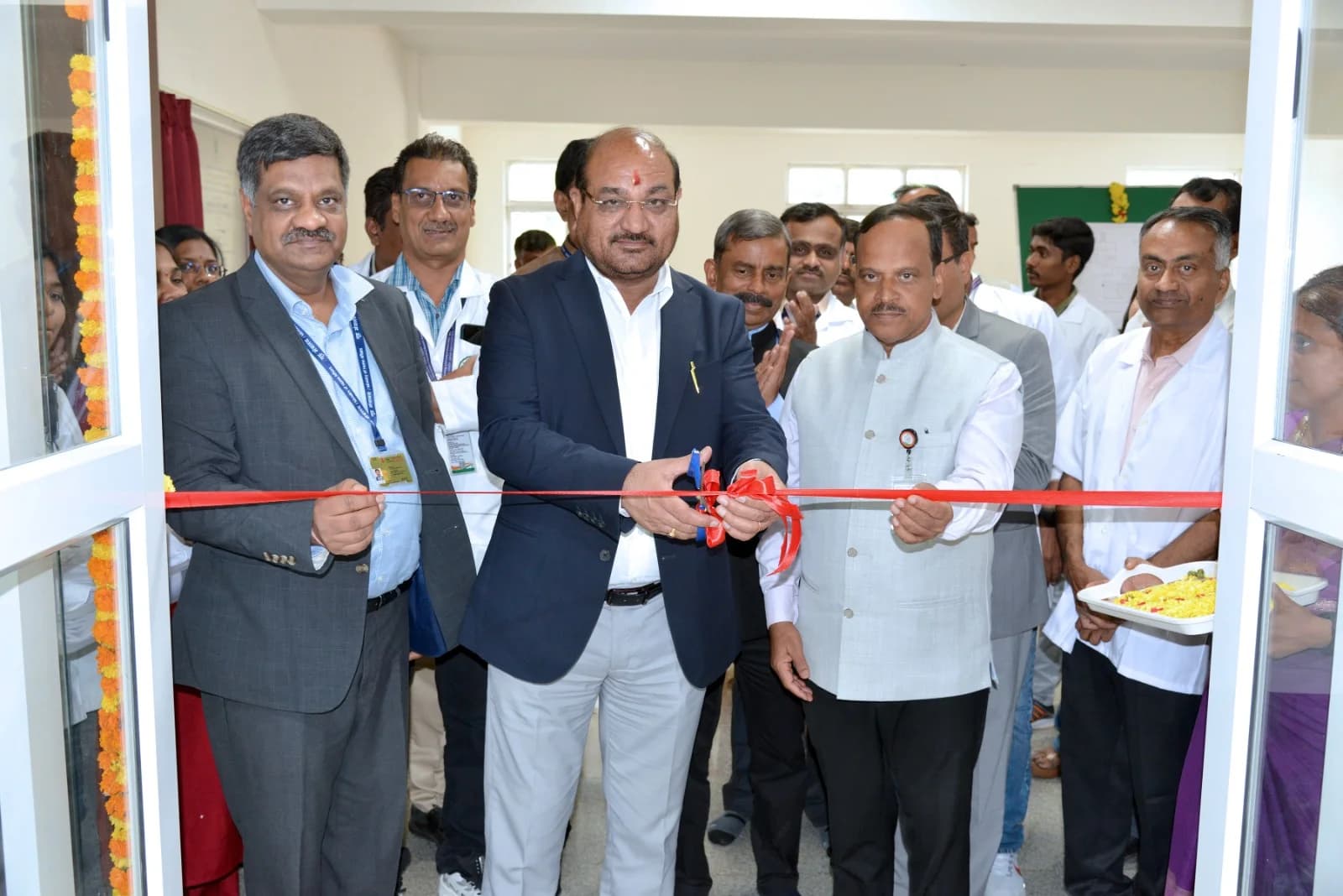
Prime Minister Narendra Modi on Thursday, 13 November 2026, inaugurated the COSMOS-Mysuru Planetarium in Mysuru, Karnataka, which the government describes as India's first LED dome planetarium. The facility has been built with the Indian Institute of Astrophysics (IIA) and the University of Mysore, according to the Prime Minister's Office.
Addressing the gathering, Modi said he had watched a show inside the LED dome before the ceremony and called it "a wonderful experience in itself". He congratulated the Indian Institute of Astrophysics, the University of Mysore, government departments and everyone involved in building the facility, the PMO said in a release.
What makes the planetarium different
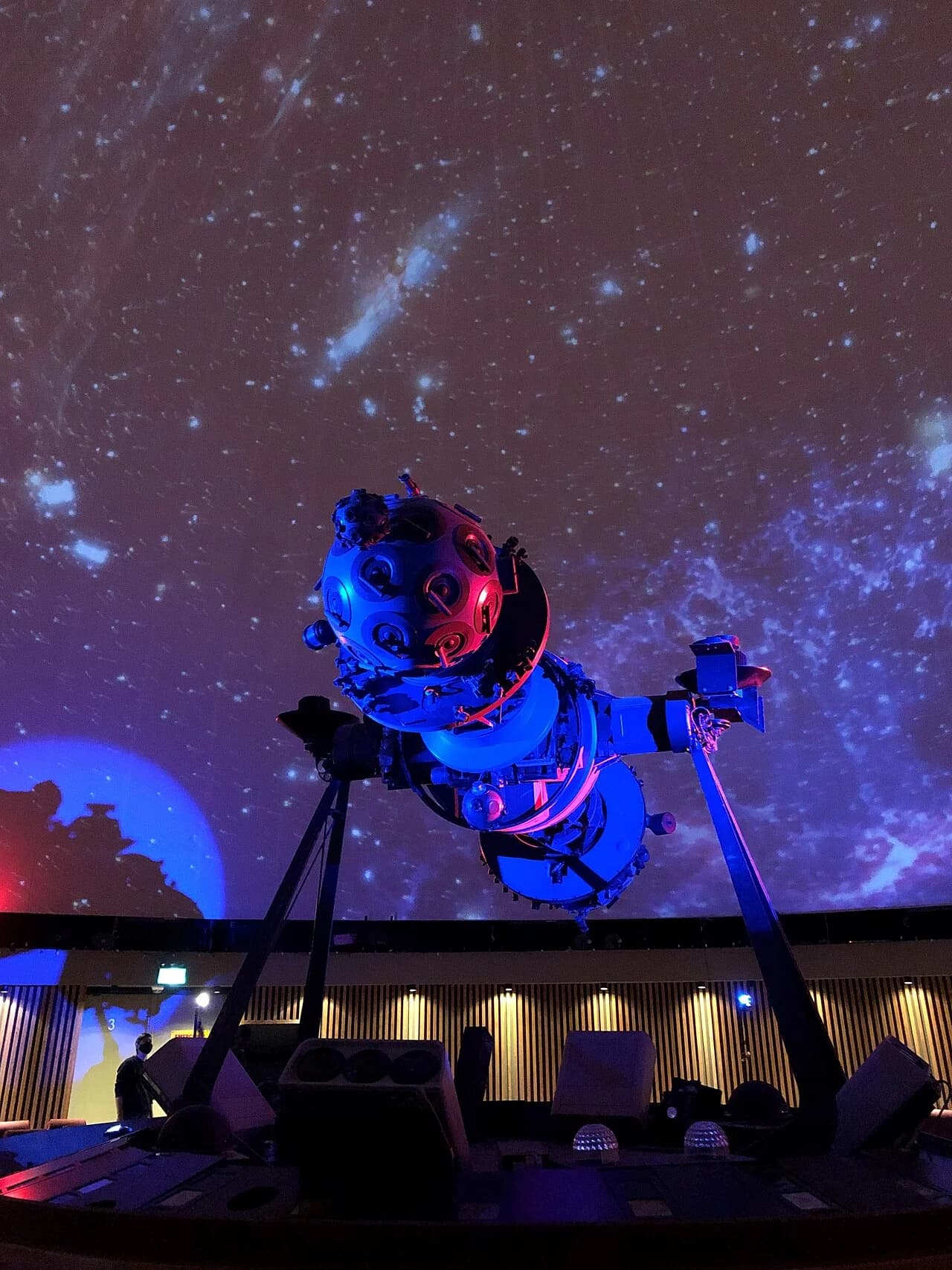
Most planetariums project the night sky onto a dome using projectors. The Mysuru facility instead uses an LED dome, in which the display itself is the screen. Earlier reports in the Mysuru daily Star of Mysore, published while the project was under construction, described it as a 15-metre LED dome tilted at 15 degrees, with 8K resolution and space for roughly 130 to 150 people per show. Those reports said the planetarium stands at the University of Mysore's Sri Jayachamaraja Wadiyar Centre for Higher Learning near the foothills of Chamundi Hill.
The same reports said the project was developed by the Indian Institute of Astrophysics with support from the Department of Science and Technology and the Department of Atomic Energy, and funded through Union Finance Minister Nirmala Sitharaman's MPLAD funds. Sitharaman, who represents Karnataka in the Rajya Sabha, laid the foundation stone in March 2022. The opening had been pushed back several times before Thursday's inauguration.
Karnataka Governor Sudha Yadav, Chief Minister D. K. Shivakumar, Sitharaman, state minister Basavaraj Rayareddy and Mysuru MP Yaduveer Krishnadatta Chamaraja Wadiyar were among those present, according to the official text of the Prime Minister's speech.
Science and tradition
Modi linked the planetarium to India's long history of astronomy. He named Aryabhata, Varahamihira, Bhaskaracharya and Nilakantha Somayaji and said these astronomers made major discoveries and complex calculations without modern instruments. He also pointed to Mysuru's record of building knowledge institutions, recalling that the University of Mysore was set up under Maharaja Nalwadi Krishnaraja Wadiyar and that the Wadiyar family helped lay the foundation of the Indian Institute of Science in Bengaluru.
He contrasted the planetarium with the Viveka Smaraka in Mysuru, which he said he had inaugurated a few months earlier. One invites people to look inward, the other turns their gaze to the sky, he said, adding that spirituality and science have moved forward together in India.
Young scientists and the space sector
The Prime Minister highlighted the performance of Indian students at international science olympiads. He said five Indian students went to this year's International Olympiad on Astronomy and Astrophysics in Vietnam, and four of them won gold medals while one won silver.
Listing the country's space milestones, he cited Chandrayaan-3's landing near the Moon's south pole, the Aditya-L1 solar observatory, and India becoming the fourth country to demonstrate docking and undocking in space. He said the experience from an Indian astronaut's recent stay on the International Space Station was proving useful for the Gaganyaan human spaceflight programme.
Modi also gave everyday examples of space technology at work: an ISRO-developed satellite communication system that lets officials send storm alerts to fishing boats fitted with receivers, the real-time train tracking system built by Indian Railways and ISRO, and the use of satellite data to estimate crop yields and settle claims under the Pradhan Mantri Fasal Bima Yojana.
Why it matters
The government presents the planetarium as part of a wider push on research and science education. In his speech, Modi referred to more than 10,000 Atal Tinkering Labs, which he said have reached over one crore students, along with the One Nation One Subscription scheme for access to journals, the Anusandhan National Research Foundation, and the ₹1 lakh crore Research, Development and Innovation Scheme.
What happens next
Modi urged those running the planetarium to bring in as many school and college students from the region as possible. He said some of the children who visit to learn about the universe may one day come back and share discoveries of their own, and that this would be the planetarium's biggest success. Details of public show timings and ticketing had not been announced in the official releases.
PS · TMMCommunications, CC BY-SA 4.0