At least 10 migrants died aboard a crowded wooden boat found adrift south of El Hierro in Spain's Canary Islands on Friday, 27 November 2026, according to the Spanish Government Delegation in the Canary Islands.
Spain's Maritime Rescue Service (Salvamento Marítimo) initially said at least eight people had been found dead on the vessel, which was carrying about 100 people, Al Jazeera reported. Six people in serious condition were airlifted to hospital. The Government Delegation later confirmed 10 deaths, Moncloa.com reported, while the Las Palmas newspaper Canarias7 put the toll at 14 dead and 90 survivors. The final figure had not been officially settled at the time of writing.
What happened at sea?
The emergency line 112 received the alert at 6:24 am, according to Moncloa.com. Canarias7 reported that a passing sailboat spotted the vessel and alerted the rescue control centre in Tenerife, and that occupants said they had left The Gambia about ten days earlier and had been drifting without water or food.
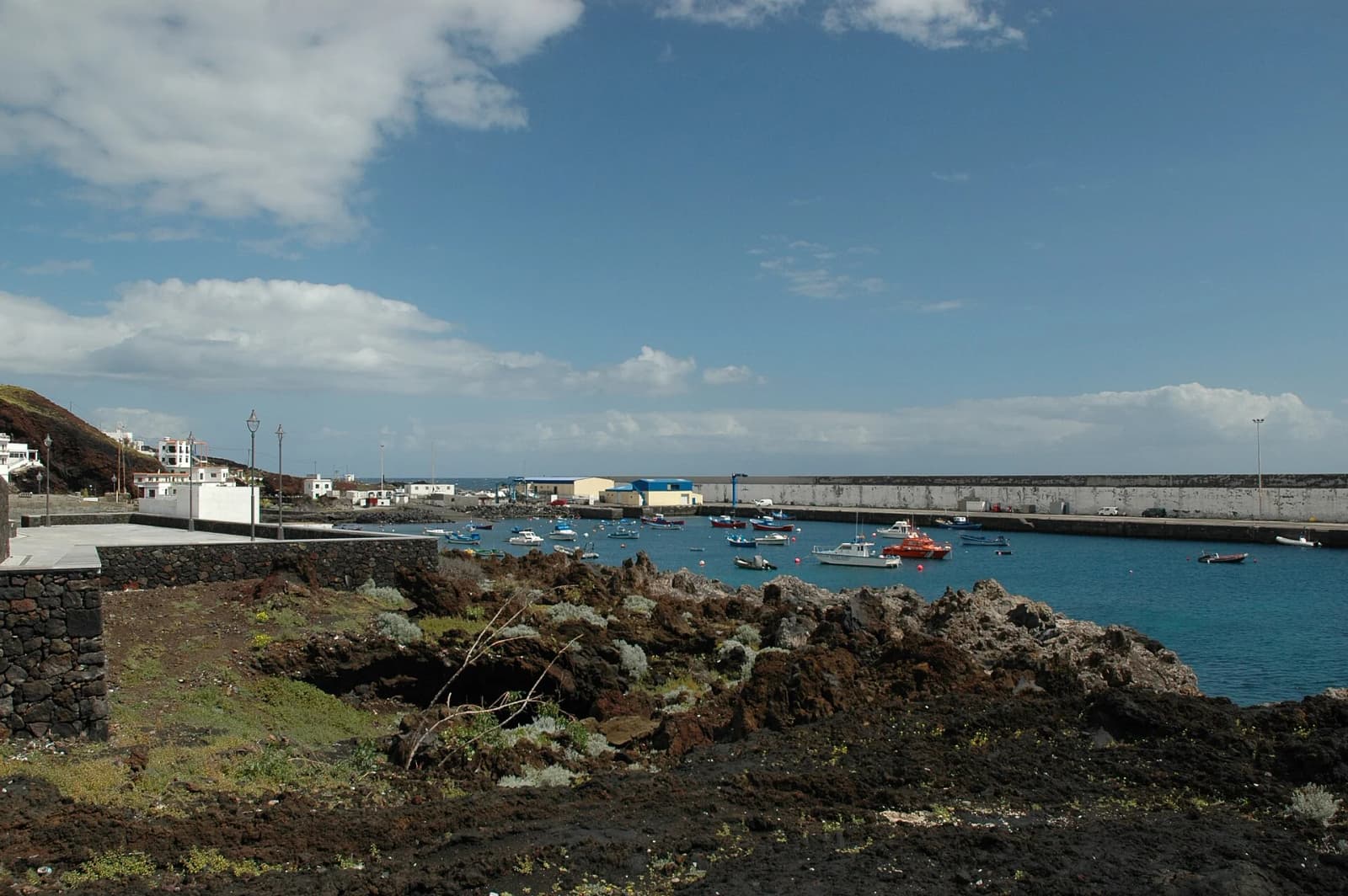
The rescue boat Salvamar Navia brought 84 survivors to the port of La Restinga, including three women and three minors, according to both outlets. Many arrived with hypothermia and dehydration. The boat, located about 39 nautical miles south of the island, was towed by the Civil Guard patrol vessel Río Tajo to the port of La Estaca, where the bodies were brought ashore. Six critically ill people were taken by helicopter to the Nuestra Señora de los Reyes hospital on El Hierro. A Civil Guard officer who fell during the operation was flown to a hospital in Tenerife.
Salvamento Marítimo said the operation had a "strong emotional impact" on its crews and arranged psychological support for staff, Moncloa.com reported.
Why are so many boats reaching El Hierro?
The Canary Islands, a Spanish region off northwest Africa, are a main entry point for migrants from West Africa. Al Jazeera reported that arrivals peaked at more than 46,000 in 2024 and then fell after tighter surveillance, but have accelerated since October. Patrols off Senegal, Mauritania and Morocco have pushed departures further south to The Gambia, Guinea-Bissau and Guinea, making the crossing longer and more dangerous.
A record 2,100 people reached the islands in a single day earlier this week, mostly on El Hierro, which has about 11,400 residents. Regional authorities declared an emergency earlier in November, according to Al Jazeera.
What are leaders saying?
Canary Islands President Fernando Clavijo said on X that the humanitarian emergency begins on the shores of Senegal and The Gambia, and called on the Spanish government and the European Commission to act. He has demanded deployment of Frontex, the European Border and Coast Guard Agency, on the Atlantic route, a step that requires a European decision and agreement with Madrid.
The deaths come two days before Spain's general election on Sunday, 29 November, where immigration is a defining issue. Prime Minister Pedro Sánchez has championed the economic benefits of migration, while the right-wing opposition, which leads in polls, wants tighter controls. MapMyTimes has reported on how the campaign closed with polls favouring Alberto Núñez Feijóo's Popular Party.
What happens next?
Rescuers were also searching for another boat reportedly carrying about 90 people, Moncloa.com said. Authorities are expected to confirm the final death toll and identify the victims in the coming days.
Photo source · Pepelopex, CC BY-SA 3.0