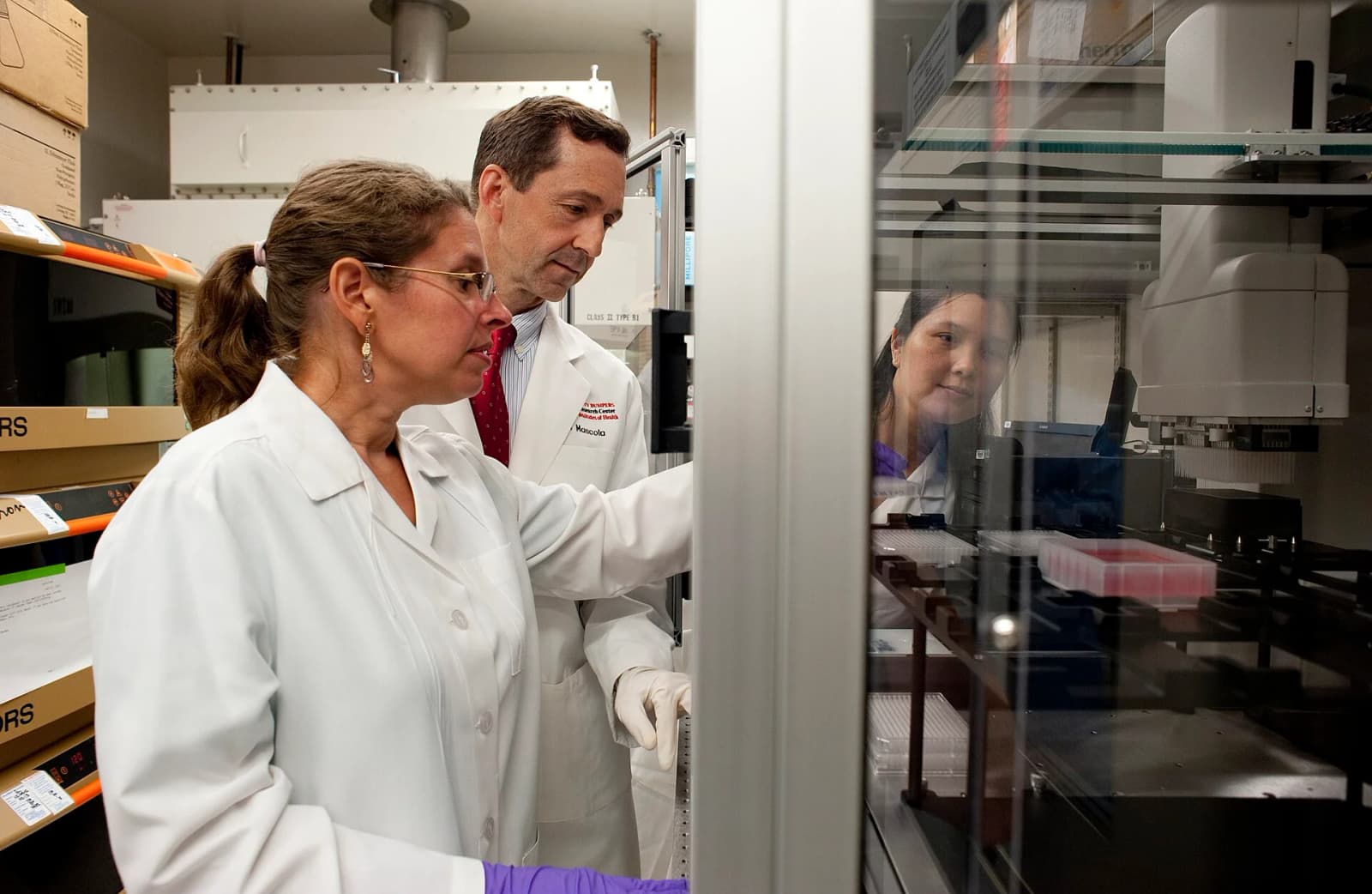
Scientists at the Bhopal-based ICAR-National Institute of High Security Animal Diseases (ICAR-NIHSAD) have developed India's first indigenous H5N1 bird flu vaccine for chickens, delivering a major veterinary milestone aimed at curbing severe poultry mortality and farmer losses from Highly Pathogenic Avian Influenza (HPAI).
Targeted Protection Against Clade 2.3.2.1a Strain
Developed using domestic technology, the formulation is an inactivated H5N1 vaccine targeting Clade 2.3.2.1a—the dominant HPAI strain circulating across India that has recently also spilled over into mammal species alongside three human infections. While vaccines existed earlier for lower-risk poultry pathogens, India lacked a dedicated indigenous vaccine tailored to Clade 2.3.2.1a H5N1.
Speaking about the achievement, ICAR-NIHSAD Director Aniket Sanyal said the vaccine marks a major step in safeguarding poultry health, strengthening farm resilience, and advancing self-reliance in veterinary biologicals.
Economic Stakes for India's Poultry Sector
Highly Pathogenic Avian Influenza triggers mortality rates approaching 100 percent among infected flocks, forcing mass culling and trade disruptions that drive up poultry product prices and threaten rural livelihoods.
- Developer: ICAR-National Institute of High Security Animal Diseases (ICAR-NIHSAD), Bhopal
- Historical Outbreak Burden: 341 avian influenza outbreaks across 24 states between 2006 and 2021, including 284 H5N1 and 57 H5N8 events
- Macroeconomic Impact: A major unchecked outbreak can place over 20 percent of India's poultry population at risk and trim GDP growth by up to 1.5 percent; the 2006 outbreak alone caused Rs 2,200 crore to Rs 3,000 crore in losses
Bhopal's high-containment animal disease researchers have been at the centre of India's veterinary biosecurity efforts, also supporting wildlife and public health surveillance tracked across Madhya Pradesh alongside ecological studies from Bhopal institutions such as those highlighted in Bhopal-led biomedical research.