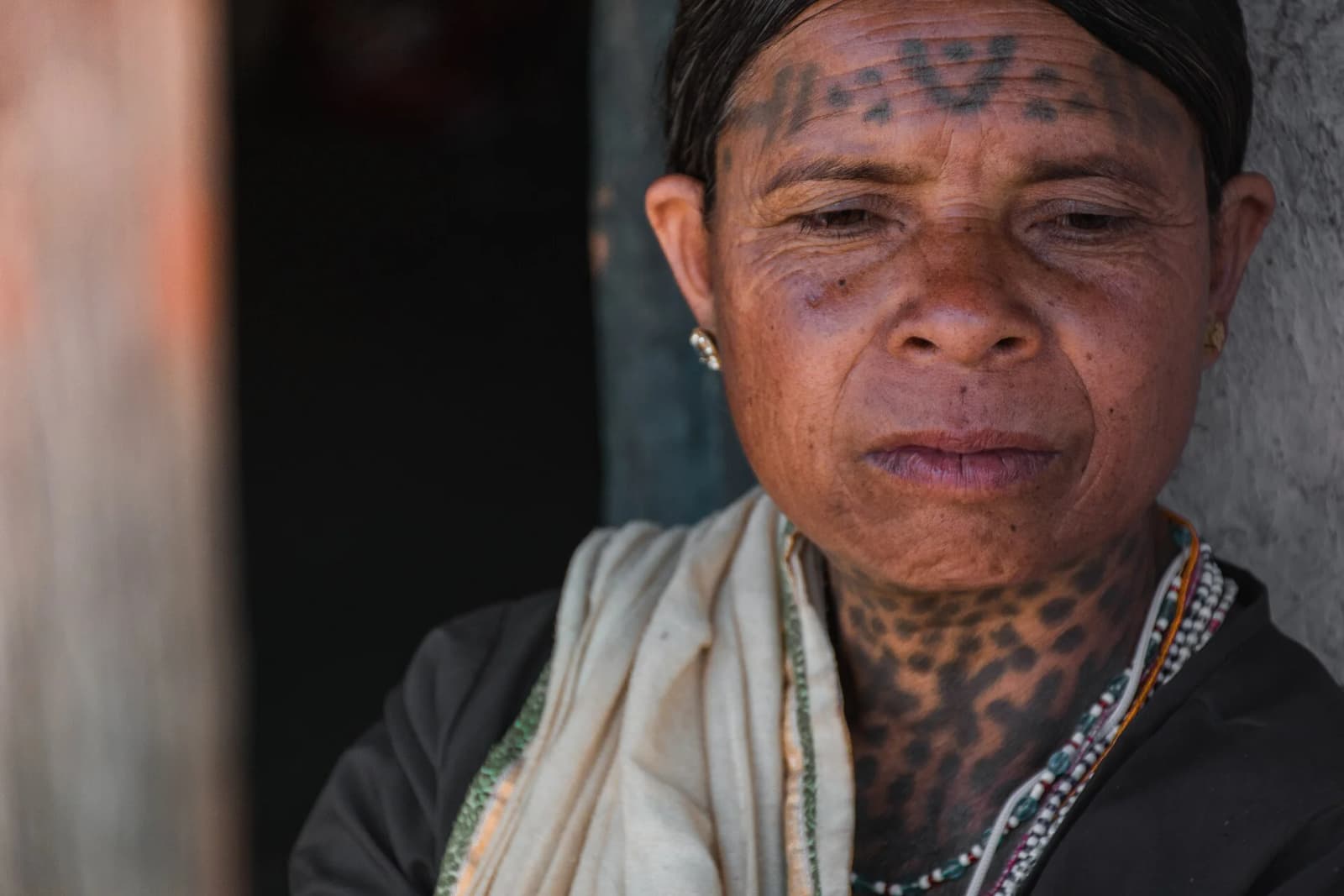
A peer-reviewed study comparing traditional forest-linked diets with urban eating habits in Madhya Pradesh has found that members of the Baiga Particularly Vulnerable Tribal Group (PVTG) harbour significantly greater gut microbial diversity and nearly 2.5 times more fibre-digesting bacteria than city residents in Bhopal. Conducted by diagnostics and microbiome research firm Leucine Rich Bio and published in the Cell Press journal iScience, the study was led by Principal Investigator Dr. Debojyoti Dhar.
Metagenomic Comparison Between Baiga and Bhopal Cohorts
Researchers used shotgun metagenomic sequencing to analyse stool samples and dietary profiles from 50 age-matched adults—25 Baiga participants in Madhya Pradesh and 25 urban residents from Bhopal. The Baiga cohort demonstrated markedly higher microbial alpha diversity, stronger species evenness, and deeper phylogenetic richness.
Beneficial short-chain fatty acid (SCFA) producers that break down complex plant carbohydrates—including Roseburia (averaging 5.4 percent in Baiga participants versus 2.3 percent in urban Bhopal residents), Faecalibacterium prausnitzii, Ruminococcus, and Succinivibrio—were substantially enriched among the tribal group.
Forest Greens and Millets Versus Packaged Urban Foods
Dietary records linked the Baiga microbiome profile to seasonal forest foods, wild leafy greens, roots, tubers, mushrooms, bamboo shoots, and coarse millets. By contrast, urban Bhopal participants consuming higher shares of biscuits, refined wheat snacks, and sweetened beverages exhibited higher counts of bacteriophages such as Pylasvirus and Drulisvirus, elevated pathways associated with Shigellosis, and a wider presence of antibiotic resistance genes.
Researchers concluded that rapid dietary transitions away from traditional fibrous foods risk eroding protective microbial lineages linked to metabolic and immune resilience in Madhya Pradesh.