Current oncology treatment approvals frequently hinge on where a tumour originates in the body rather than the genetic flaws driving it, causing substantial missed opportunities to match patients with existing precision medicines, University of Cambridge researchers reported on November 24, 2026. Published in The Lancet Oncology (November 16 issue), the study analysed whole-genome sequencing from more than 17,000 tumours and found DNA alterations linked to approved targeted drugs in roughly one in five primary cancers and one in four metastatic cases.
Over Half of Actionable Biomarkers Lie Outside Approved Sites
Researchers led by Professor Serena Nik-Zainal of Cambridge's Department of Genomic Medicine examined 11,000 primary tumour genomes from the UK's 100,000 Genomes Project alongside 6,000 metastatic genomes from the Netherlands-based Hartwig Medical Foundation. Overall, 19 percent of primary cancers and 26 percent of metastatic cancers displayed genomic signatures tied to therapies already cleared by the US Food and Drug Administration (FDA).
However, more than half of those actionable biomarkers appeared in cancer types for which the corresponding FDA-approved drugs have not yet been authorised or are not routinely screened. "We have approved drugs that we know can target particularly genetic mutations, but if these mutations occur in the wrong type of cancer, we can't use them," Nik-Zainal noted.
Unlocking Clinical Trials Beyond Organ-Based Rules
Instead of hunting only for isolated mutations already tied to a patient's tumour site, whole-genome sequencing detects broader patterns of DNA damage, such as homologous recombination deficiency in cellular DNA repair. Researchers emphasised that new clinical trials are essential to confirm whether repurposing existing targeted drugs across tumour types improves patient outcomes and demonstrates cost-effectiveness.
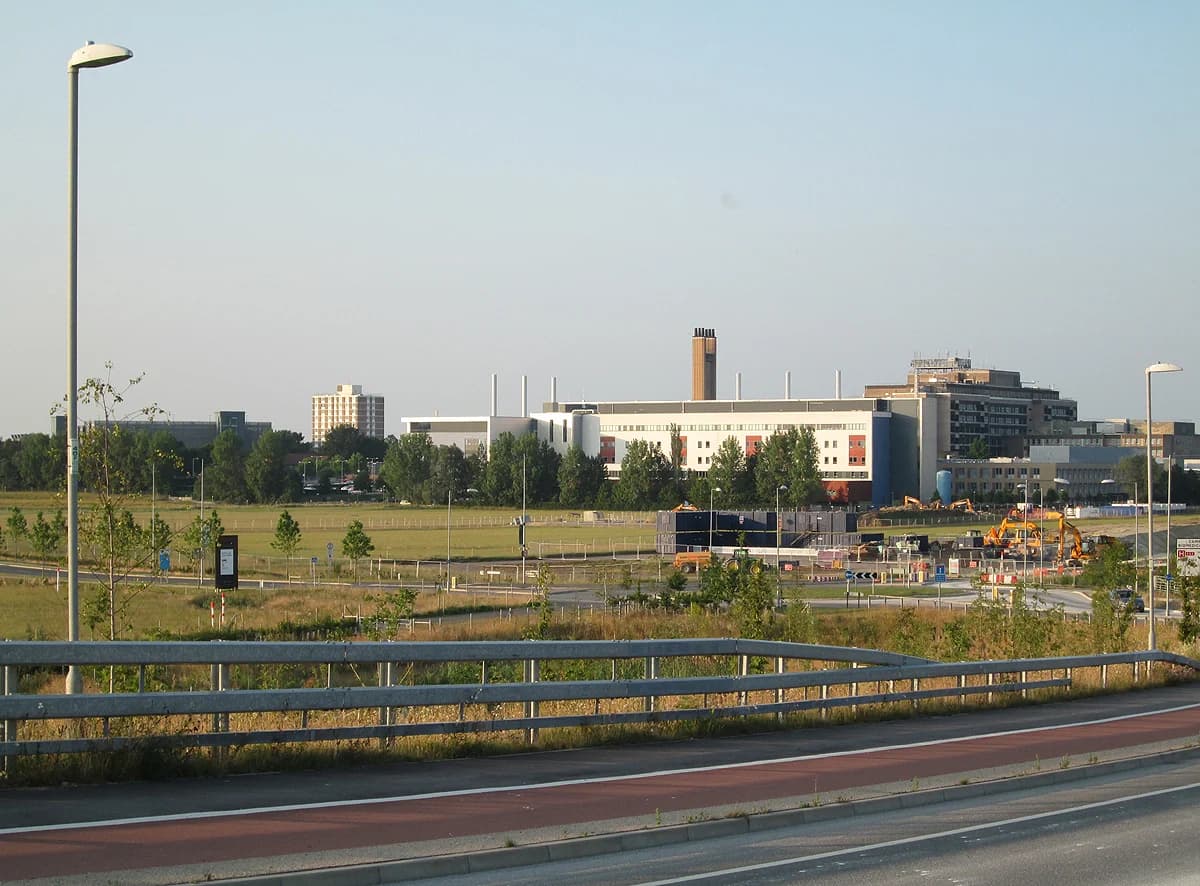
The NIHR-, Cancer Research UK-, Breast Cancer Research Foundation-, and Jeffrey Cheah Foundation-backed work will feed into translational care at the planned Cambridge Cancer Research Hospital on the Cambridge Biomedical Campus.