Two of China's leading artificial intelligence developers, Z.AI and Moonshot AI, are facing significant delays to their next-generation flagship models under twin pressure from tighter United States semiconductor export controls and an industry crackdown on model distillation, according to industry reports on November 26, 2026. Z.AI—formerly Zhipu AI—missed its November release target for the roughly three-trillion-parameter GLM-5.5, with timelines now pushed to the first quarter of 2027 or beyond, even after shipping the smaller 750-billion-parameter GLM-5.4 on November 25.
Overseas Compute Rules Disrupt Training Pipelines
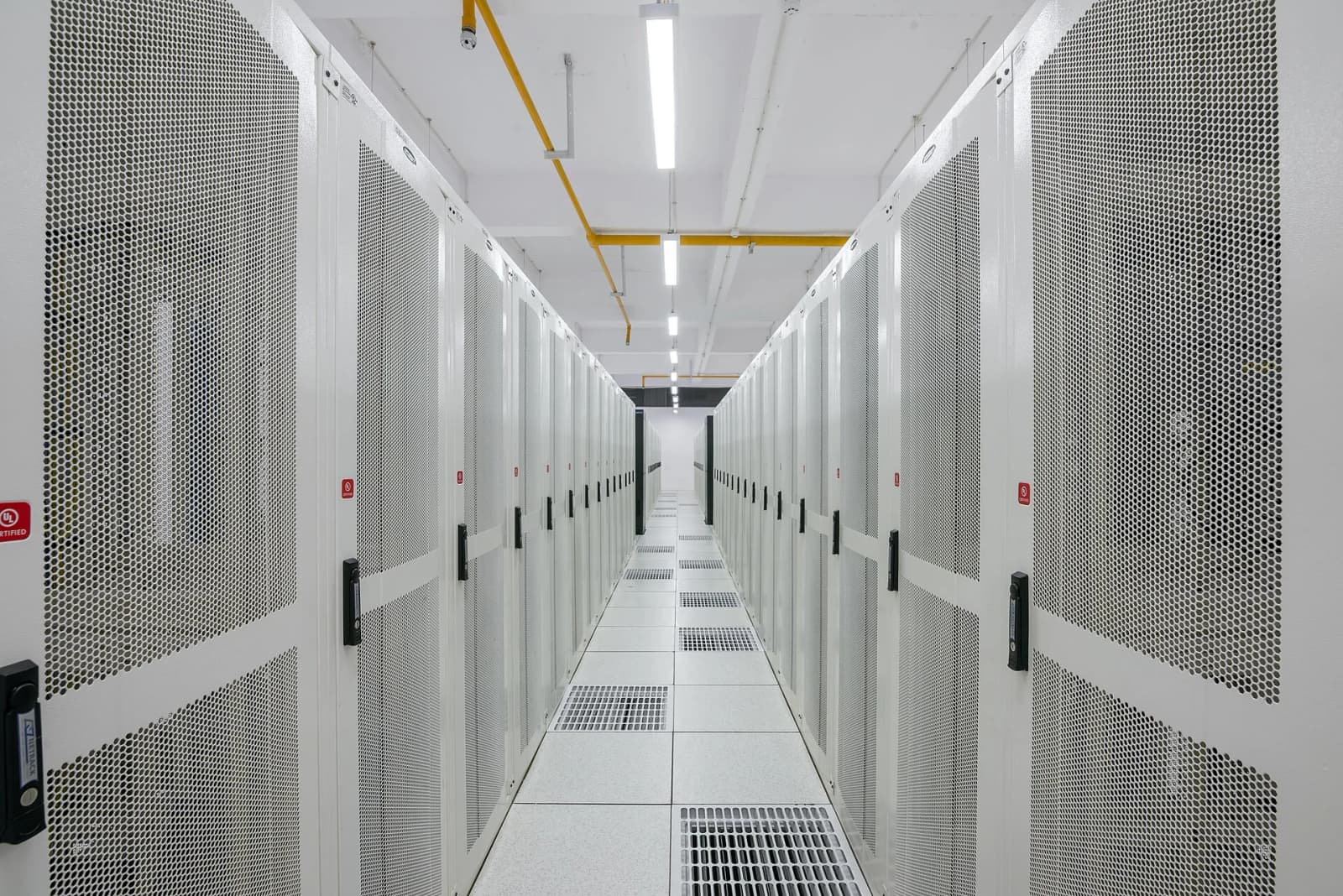
Moonshot AI has likewise cautioned investors that its typical six-month flagship cycle could stretch to 12 months or longer, potentially deferring Kimi K4 into mid-2027 if access to offshore computing capacity narrows further. The bottleneck sharpened after the U.S. Commerce Department issued rules on November 19 extending export licensing requirements to overseas data centres operating clusters above roughly 750 Nvidia H100-class accelerators, alongside a 90-day grace window.
Expanded licensing restrictions across hubs such as Malaysia, Singapore, Indonesia, Thailand, and Brazil have constrained cloud training workarounds, with Moonshot reportedly scrapping a planned $150 million Nvidia Blackwell deployment in Indonesia.
Anti-Distillation Enforcement Adds Second Squeeze
Beyond raw silicon shortages, OpenAI and Anthropic have tightened safeguards against unauthorised 'distillation'—where rival models train on outputs generated by frontier systems. Anthropic recently reported flagging roughly 200 million suspected automated query exchanges linked to third-party training pipelines, forcing domestic Chinese developers to rely more heavily on domestic compute and self-generated synthetic datasets.