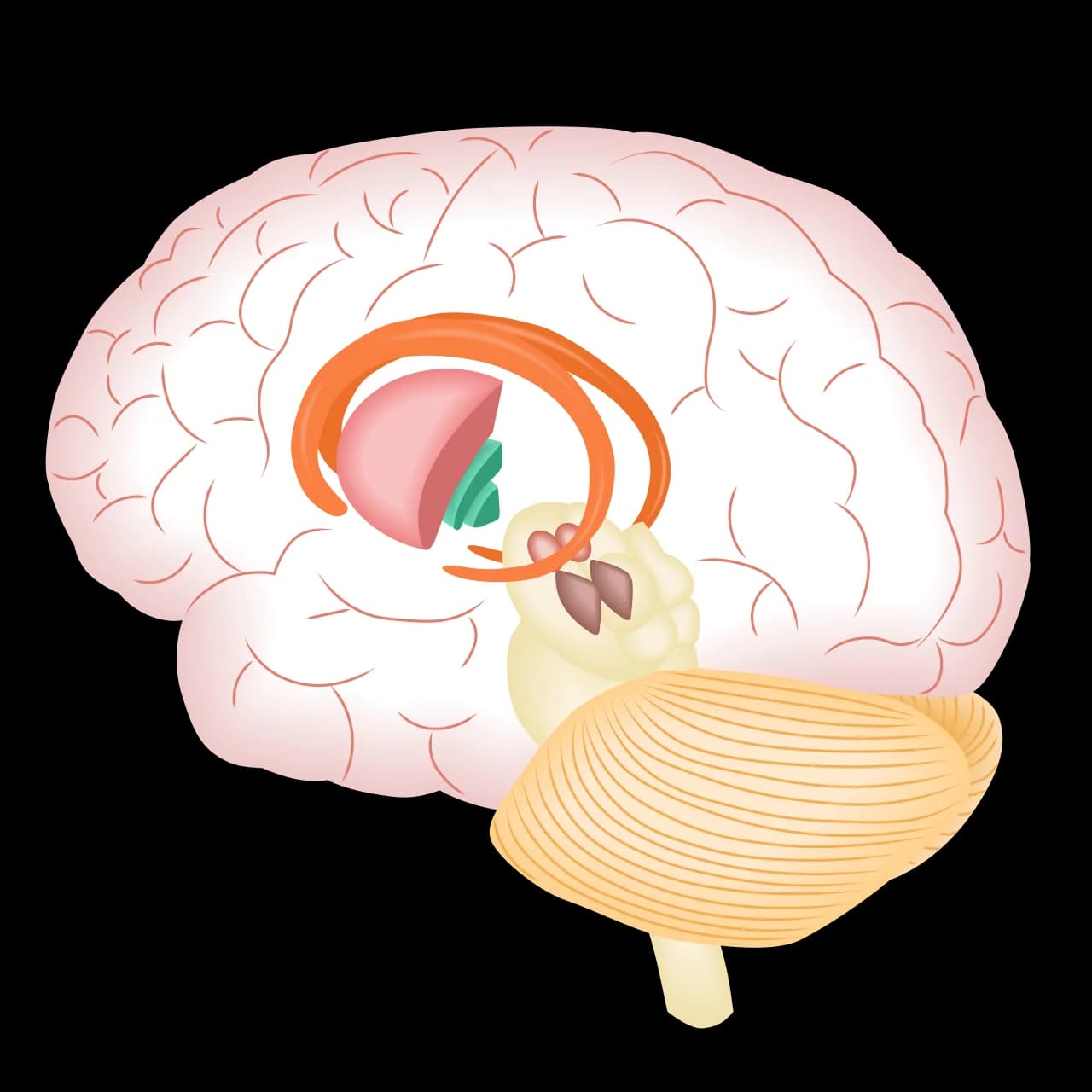
Scientists working under the US National Institutes of Health's BRAIN Initiative have released the most detailed cellular map yet of the basal ganglia, a cluster of structures deep inside the brain that governs movement, habit and reward. The work, made public on 12 November 2026, profiles more than 25 million individual brain cells from humans, macaques and marmosets, according to a release from Princeton University.
The findings appear as a package of more than two dozen papers across Cell Press journals, led mainly by the journal Cell. Princeton put the total at 27 papers, while the Salk Institute described 28. The project is part of the BRAIN Initiative Cell Atlas Network (BICAN) and drew on researchers from about 55 institutions, Princeton said.
What the atlas contains
Rather than a single dataset, the atlas brings together several layers of biological information. The Salk Institute, which said it led or contributed significantly to eight of the papers, reported a three-dimensional, single-cell map of the human basal ganglia with genetic and epigenetic detail. One Salk-led study in Cell examined DNA methylation and the 3D folding of the genome in 197,003 basal ganglia cells from seven human donors, and combined this with existing data into an integrated atlas of 261,331 cells. A companion study looked at about 750,000 cells across 18 regions of the human brain.
At Princeton, the lab of neuroscientist Fenna Krienen mapped the marmoset subcortex using three molecular techniques: spatial transcriptomics, single-cell RNA sequencing and ATAC sequencing. The team also built PIANO, a deep-learning tool described in Cell Reports Methods that merges data from millions of cells across species. Using the marmoset map, the researchers broke down a poorly defined catch-all group of neurons, nicknamed "Splatter", into hundreds of distinct cell types, most of which are shared across species.
"It's kind of like the Human Genome Project 1.0, or 0.1," Krienen said of the atlas, describing it as a foundational reference.
Fixing neuroscience's naming problem
A less visible but important result is a shared vocabulary. Princeton said BICAN has set up a common system for classifying brain cells, addressing the long-standing problem of different laboratories using different names for the same cell types. Salk added that the consortium has created a standard framework for tissue processing, metadata and anatomical references.
Why it matters for disease research
The basal ganglia are implicated in several serious conditions. The Salk release links the region to Parkinson's disease, Huntington's disease, Tourette syndrome and addiction, and said the new data connect gene regulation to disease-associated genes. Princeton's release also mentioned Alzheimer's disease and obsessive-compulsive disorder among the areas the cross-species framework could help study.
The researchers are careful to present the atlas as a reference tool rather than a cure. Salk professor Joseph Ecker, a co-corresponding author, said the next step is to build artificial intelligence models on top of the map that can predict how disease-linked genetic variants affect particular cell types.
"An atlas tells you what's there; an AI model tells you what may happen," Ecker said.
What happens next
According to Salk, BICAN will use the same framework to continue mapping the entire human brain, and the basal ganglia atlas can already be browsed online. Princeton said its group aims for complete brain-cell atlases for humans, macaques and marmosets, and that the whole-brain marmoset dataset has already been collected, which could allow the team to finish ahead of schedule.