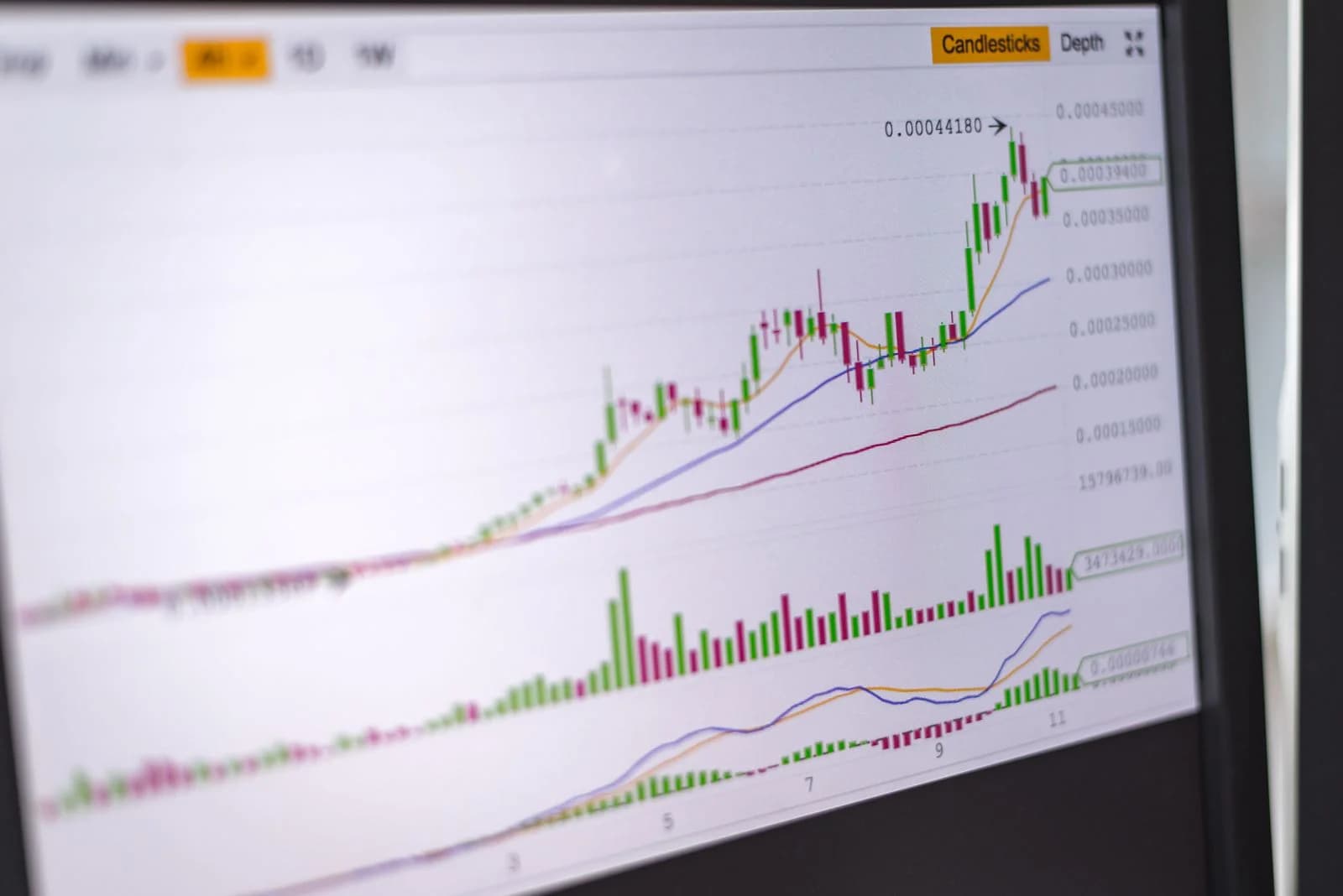
Stock markets in South Korea, Taiwan and Japan jumped sharply on Tuesday, 24 November 2026, as investors returned to chip and artificial intelligence (AI) shares after Nvidia's board reinstated Jensen Huang as chief executive. South Korea's benchmark Korea Composite Stock Price Index (Kospi) climbed back above 5,000 points in Seoul, Taiwanese shares rose about 9% and Japan's Nikkei 225 gained more than 4% in Tokyo, according to reports from the morning session.
This was a separate trading session from Monday's rally on Wall Street, where the Nasdaq Composite rose 6.51% and the Dow Jones Industrial Average gained 3.01%, news agency Yonhap reported. Asian exchanges were reacting on Tuesday to that overnight lead.
How much did the Kospi rise?
The Kospi rose about 7% by late morning in Seoul. It opened 3.64% higher and was up 315.04 points, or 6.69%, at 5,023.58 at 11:20 am Korea Standard Time (7:50 am IST), according to Yonhap. Australia's ABC News reported the index was up 7.5% a little later in the session.
The gains were steep enough for the Korea Exchange to trigger a buy-side "sidecar" at 9:06 am local time. The mechanism suspends program-trading buy orders for five minutes. It kicks in when Kospi 200 futures rise at least 5% and stay there for a minute or more, Yonhap said. CNBC reported that this was reportedly the 100th sidecar the exchange has activated.
Chipmakers led the move. Samsung Electronics rose 7.72% and SK hynix 8.48% in Yonhap's late-morning figures; other reports put their peak gains at about 9% and 11%. The two companies together account for more than 40% of the Kospi's weighting, CNBC reported. LG Electronics jumped 16.02%. The Korean won, however, weakened by 2 won to 1,344.6 per US dollar at 11:20 am.
What happened in Taiwan and Japan?
- Taiwan: Taiwanese shares were up 9.1% in late-morning trade, ABC News reported. Taiwan Semiconductor Manufacturing Company (TSMC), Hon Hai Precision Industry (Foxconn) and MediaTek each rose close to 10%, which is the Taipei exchange's daily price limit for individual stocks, according to CNBC. Business Insider reported that Taiwan's benchmark had fallen about 18% the previous week.
- Japan: The Nikkei 225 was up 4.5% in late-morning trade as traders returned from a public holiday on Monday, according to ABC News. Chip equipment maker Advantest gained 15–16%, Tokyo Electron 12–13%, memory maker Kioxia 11% and SoftBank Group about 8%, according to CNBC and Business Insider.
- Elsewhere: Hong Kong's Hang Seng was up a modest 0.4% in morning trade, while Australia's S&P/ASX 200 rose 1.7% to about 8,720 by early afternoon in Sydney, ABC News reported.
Why did Asian chip stocks react so strongly?
Asian companies sit at the centre of Nvidia's supply chain, so uncertainty over its leadership had weighed heavily on them. Business Insider noted that TSMC makes Nvidia's advanced AI processors, SK hynix and Samsung supply high-bandwidth memory, and Japanese companies supply chipmaking equipment. Huang returned 11 days after he resigned, the report said.
Charu Chanana, chief investment strategist at Saxo, told CNBC that Huang's return was particularly welcome for Asian technology stocks, many of which had suffered collateral damage from the crisis at Nvidia. She also cautioned, in comments to Business Insider, that restored confidence does not on its own fix the economics of AI spending. Kyle Rodda of Capital.com told ABC News that the return had eased fears about the AI trade, at least at the margins.
What is still uncertain?
The figures above are intraday levels; closing numbers for Seoul, Taipei and Tokyo were not yet available at the time of writing. Analysts have also pointed to questions that remain open, including whether heavy investment in AI infrastructure will earn adequate returns and how United States export restrictions on advanced chips will affect companies serving Chinese customers, according to Business Insider.
The rally follows a week in which Asian regulators stepped in to steady markets during the AI-led sell-off, as MapMyTimes reported earlier. Background on the leadership change is in our report on Nvidia's board reinstating Jensen Huang, and Monday's US session is covered in our Wall Street report.