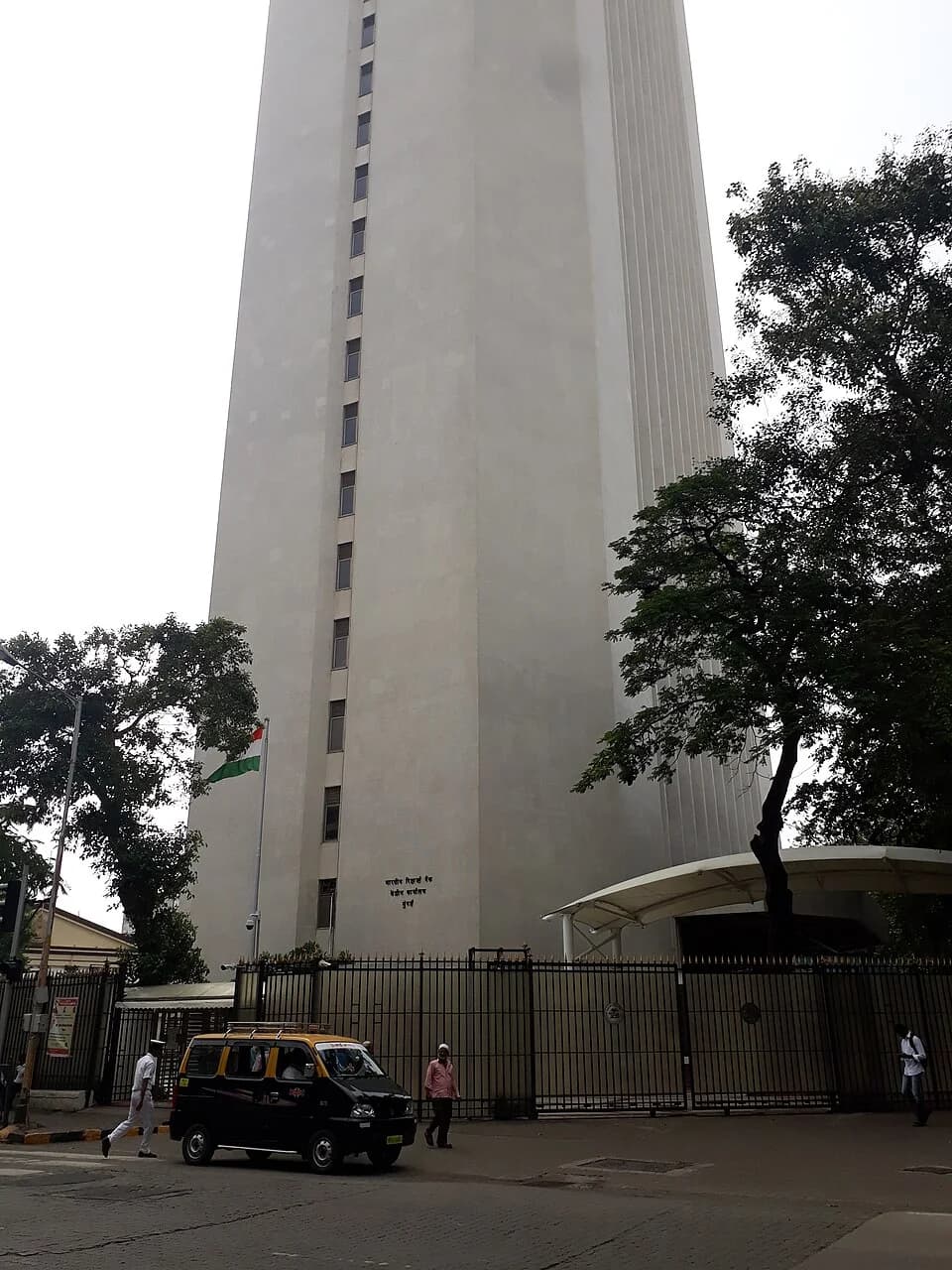
The Reserve Bank of India (RBI) on 23 November 2026 issued final rules from Mumbai requiring securitisation notes to be issued, held and transferred only in dematerialised (electronic) form, with a minimum investment of ₹1 crore per investor. The Securitisation Transactions Amendment Directions, 2026 apply to commercial banks, small finance banks, non-banking financial companies (NBFCs) and all-India financial institutions, and take effect on 1 April 2027.
What did the RBI announce?
The RBI said in a press release that it had issued final amendment directions for the four categories of lenders after examining feedback on drafts it published in July, and had made changes where it considered them appropriate. The directions amend the RBI's Securitisation Directions of 2025. The release said the guidelines would come into force from 1 April 2027.
Securitisation is the process by which a lender pools loans it has made, such as vehicle or housing loans, and sells them to a special purpose entity (SPE), which in turn issues notes to investors backed by the repayments on those loans.
What changes for securitisation notes?
According to the directions for commercial banks, signed by Chief General Manager Vaibhav Chaturvedi, the main changes are:
- Demat only: securitisation notes must be issued, held and transferred only in dematerialised form.
- ₹1 crore minimum ticket: the minimum investment by a single investor is ₹1 crore, both when the notes are issued and on every later transfer.
- Exception for amortising notes: notes whose principal is repaid over time may be traded at their amortised value even if this takes the ticket size below ₹1 crore.
- Enforcement through contracts: the lender that originates the loans must make sure its agreement with the SPE requires arrangements with registrars, depositories, stock exchanges and similar entities so that the minimum ticket size is enforced.
- Public offers: any public offer of securitisation notes must comply with Regulation 21 of the SEBI (Issue and Listing of Securitised Debt Instruments and Security Receipts) Regulations, 2008.
The directions for NBFCs contain the same provisions, under different paragraph numbers.
Do the rules apply to notes already issued?
Yes. A new paragraph says that transactions in securitisation notes issued before 1 April 2027 must also follow the demat, ticket-size and public-offer provisions. Existing notes are not exempt, so trades in them after the start date will be covered.
Why it matters
When the RBI released the drafts on 27 July 2026, it said the aim was to improve efficiency, liquidity and transparency in the issuance and later transfer of securitisation notes. Requiring all notes to sit in demat accounts creates an electronic record of who holds them and how they change hands. The ₹1 crore floor keeps the market largely limited to institutional and other large investors.
For banks and NBFCs, which use securitisation to raise funds and free up capital for fresh lending, the changes mean adjusting their deal documents and arrangements with depositories and exchanges before the April 2027 start date. The RBI has published a statement on the feedback it received as an annex to its press release; MapMyTimes could not access that annex at the time of writing.
The directions were issued on the same day the RBI released draft rules to curb digital banking fraud.
What happens next
Lenders have until 31 March 2027 to prepare. From 1 April 2027, every issue and transfer of securitisation notes, including older notes, must follow the new rules.
Photo source · Pinakpani, CC BY-SA 4.0