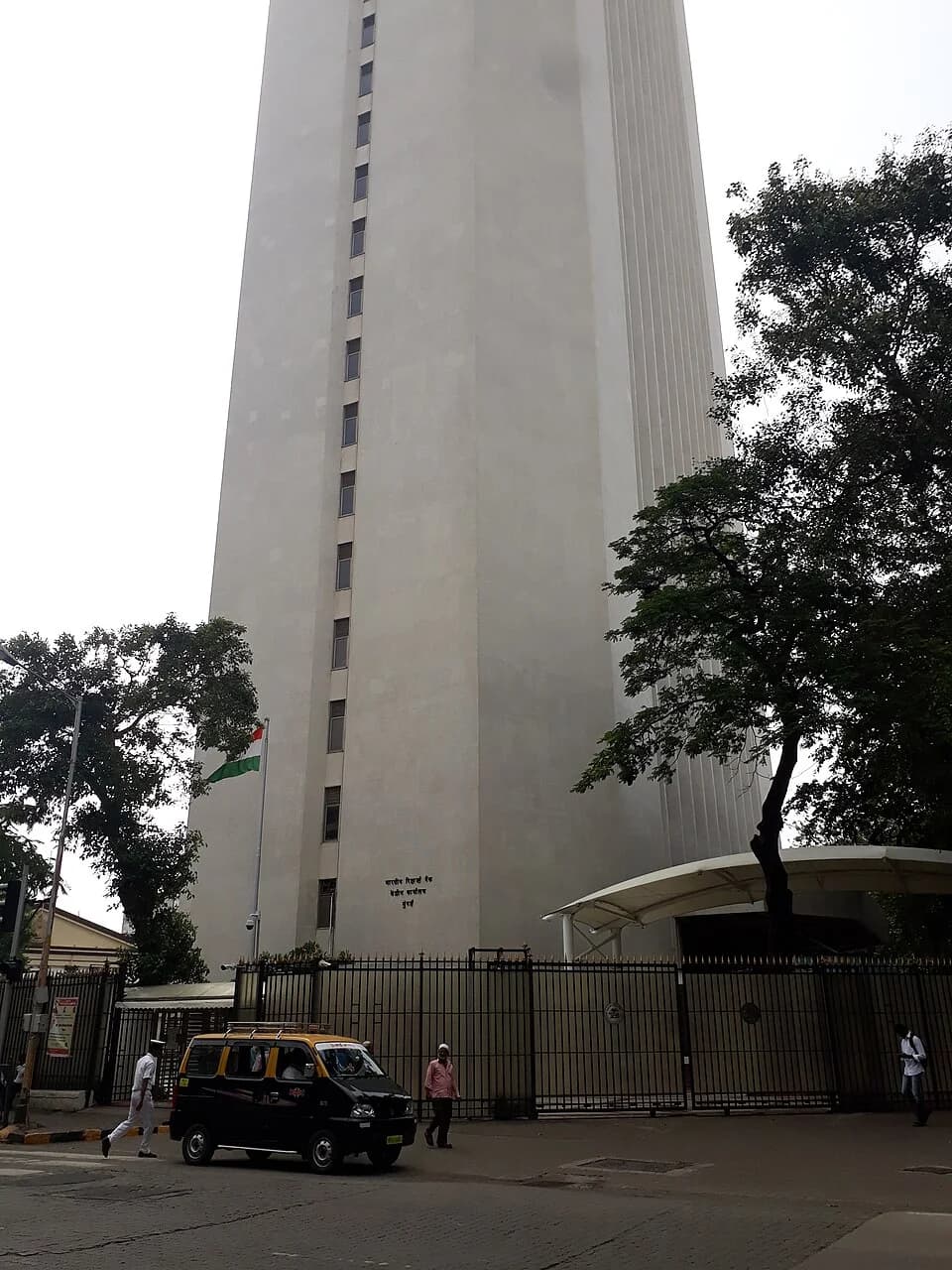
The Securities and Exchange Board of India (SEBI) on 23 November 2026 warned investors that fraudsters are running WhatsApp and other closed social-media groups in which they pose as SEBI-registered market intermediaries, lure members into fake "institutional" trades and international stock schemes, and collect money in bank accounts of unregistered entities.
In a press release issued in Mumbai (PR No. 76/2026), the markets regulator said "many WhatsApp groups are impersonating SEBI registered intermediaries" and listed 11 red flags along with seven precautions for investors.
How does the scam work?
According to SEBI, the groups create an impression of legitimacy and push members to open trading accounts. They portray foreign stock markets as more lucrative than Indian ones, hand out free tips on Indian and international shares and indices, and then direct investors to register on unauthorised trading platforms and transfer funds to designated bank accounts held by unregistered entities.
Investors are often given fraudulent apps that display the money they have sent and a supposed portfolio, the regulator said. Pitches seen in such groups include "Recover your Indian portfolio loss from investments in foreign markets", "Off-Market Negotiated Block Trades" and "Institutional Trades".
What are the red flags?
SEBI's list includes:
- Invitation links to WhatsApp, Telegram or similar groups sent from unknown sources.
- Group admins using numbers with international codes such as +44 or +65, though some use Indian +91 numbers.
- Fake "institutional trading accounts" opened in the name of a registered intermediary.
- Requests to send money to third-party bank accounts that do not belong to SEBI-registered entities.
- Screenshots of the SEBI website, fake SEBI letterheads and stamps used to certify bank accounts, and false claims of links with SEBI employees.
- A fresh invitation to a new group once the old one is suspended.
What should investors do?
The regulator advised investors to check whether an entity is registered on SEBI's list of recognised intermediaries, to avoid offers promising sure-shot returns, institutional trades or overseas investments from unverified sources, and not to open accounts on unverified platforms or send money to accounts shared by strangers.
It also asked investors to look for the "verified" badge before downloading trading apps from the Play Store, confirm a broker's authorised mobile apps on SEBI's investor website, verify bank account and UPI details using the SEBI Check facility, and stay out of unknown closed groups.
Why it matters
This is the latest in a series of SEBI warnings about social-media investment fraud. The release points readers to an earlier caution on impersonation of SEBI itself from September 2025 and to an October 2026 warning on stock tips offered through invitation-only WhatsApp groups. On the same day, SEBI also asked brokers and platforms to stop publishing IPO grey market premium figures, while the Home Ministry's cybercrime coordination centre separately advised WhatsApp Web users to log out on shared computers.
The new release targets a specific variation: fraudsters borrowing the identity of genuine, registered brokers and other intermediaries rather than of SEBI. That makes a quick registration check less reliable on its own, which is why the regulator is pushing investors to also verify the bank account or UPI ID they are asked to pay.
SEBI did not give figures on the number of complaints or the amounts lost. It urged investors to "remain vigilant and verify the SEBI registration status" before dealing with any entity offering investment advice in such groups.