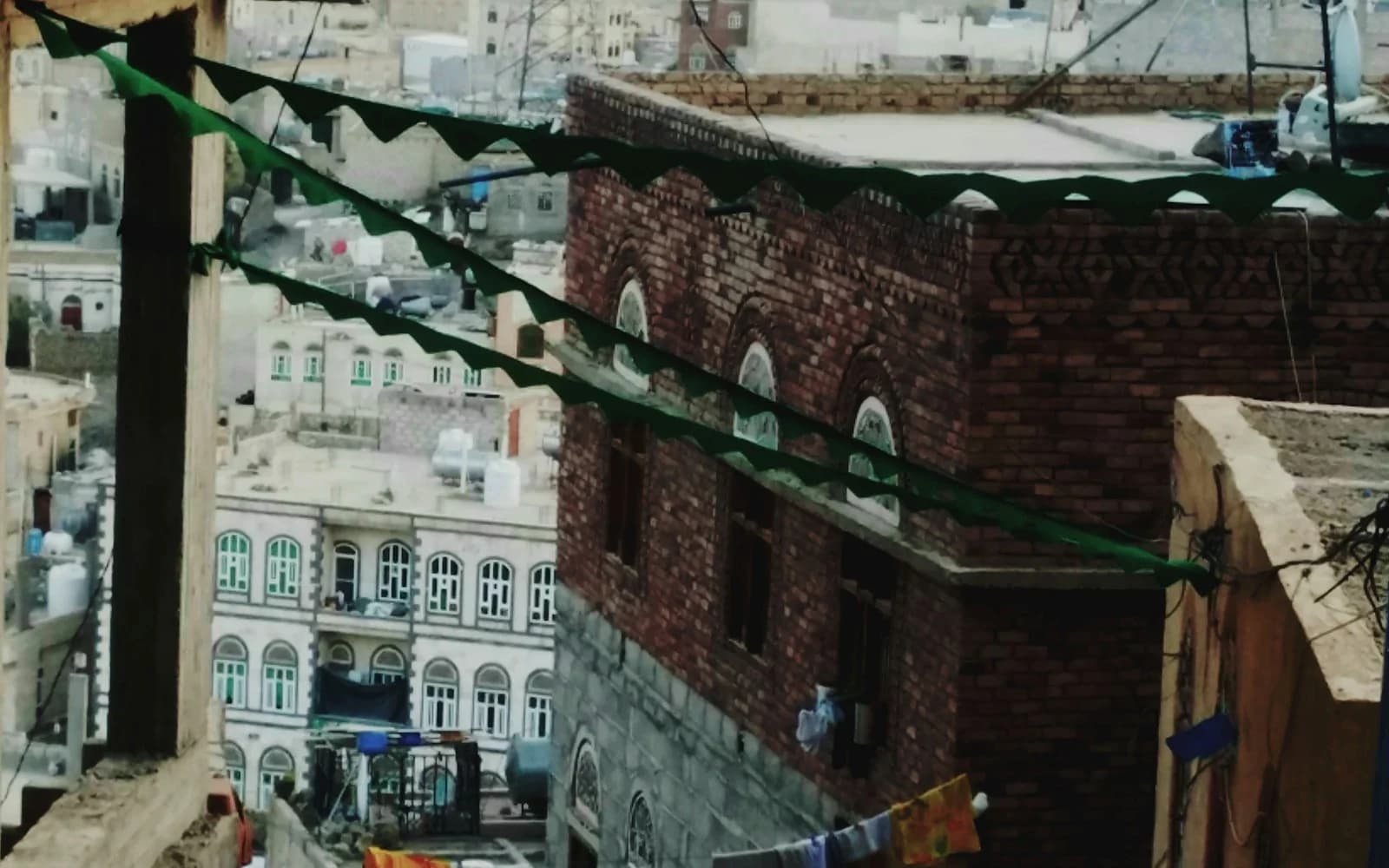
An airstrike hit a fuel station in Yemen's Houthi-held capital Sanaa early on Sunday, 22 November 2026, wounding six workers, according to the Houthi-run Health Ministry, as the Saudi-led coalition said it had shot down a Houthi drone heading for the Saudi capital Riyadh and a ballistic missile aimed at the kingdom's Red Sea coast. The Houthis blamed Saudi Arabia for the strike, and the coalition had not commented on the claim.
What happened in Sanaa?
Anees al-Asbahi, spokesman for the Houthi-run Health Ministry, said the strike hit a fuel station run by the state oil company, wounding six of its employees and damaging the company's building, The Associated Press reported. The Houthi-run Yemen News Agency (Saba) quoted him as saying Saudi aircraft struck the station on 60th Street in the city, according to Al Jazeera and AFP. These figures come only from Houthi sources and have not been independently verified.
Houthi-run television also reported attacks on Sunday on the Red Sea port city of Mokha and on Haifan district in Taiz province in southwestern Yemen. There were no immediate reports of casualties from those places, AP said.
What did the Saudi-led coalition say?
Coalition spokesman Turki al-Maliki said in a post on X that air defences destroyed a drone that was flying towards Riyadh, causing no casualties or damage, according to Al Jazeera and AFP. Hours earlier, he said, a ballistic missile targeting Saudi Arabia's western region on the Red Sea coast was intercepted and destroyed. That region is home to key energy sites, including the Yanbu crude export terminal and the Jazan refinery near the Yemeni border.
How has the Saudi-Houthi conflict escalated?
The Houthis, also known as Ansar Allah, have in recent weeks targeted Saudi oil installations, airports and military sites. Saudi authorities say Houthi attacks have killed 26 people in the kingdom since September, 23 of them in strikes on airports, according to Al Jazeera and AFP. On Thursday, a Houthi attack damaged several floors of a tower in Riyadh's financial district that houses the headquarters of the Public Investment Fund, Saudi Arabia's sovereign wealth fund, and earlier in November a skyscraper owned by the state oil giant Aramco was damaged.
Yemen had been relatively calm after a United Nations-brokered truce largely halted fighting in 2022. Fighting resumed this summer after the Houthis announced a blockade of Saudi ports. In September the group launched an offensive that captured much of the Red Sea coastline near the Bab al-Mandeb strait, a key shipping chokepoint. Government forces counter-attacked last month, but earlier this month forces allied with the internationally recognised government said they would pull back from areas around the strait to concentrate on defending the southern port city of Aden.
Why it matters
The Houthis have controlled Sanaa and much of northern and western Yemen since seizing the capital in September 2014, while the government holds much of the south. Analysts quoted by Al Jazeera say the renewed Yemen war is now tied to the wider regional confrontation, including the US-Israel war with Iran. Strikes on fuel infrastructure in Sanaa and on Saudi energy sites raise the risk of further harm to civilians and to oil markets.
What is confirmed and what is not?
The coalition's interception claims and the Houthi account of the Sanaa strike are both statements from parties to the conflict and could not be independently verified. Clashes continue on several fronts in Yemen, and aid agencies have warned of worsening displacement and food shortages.