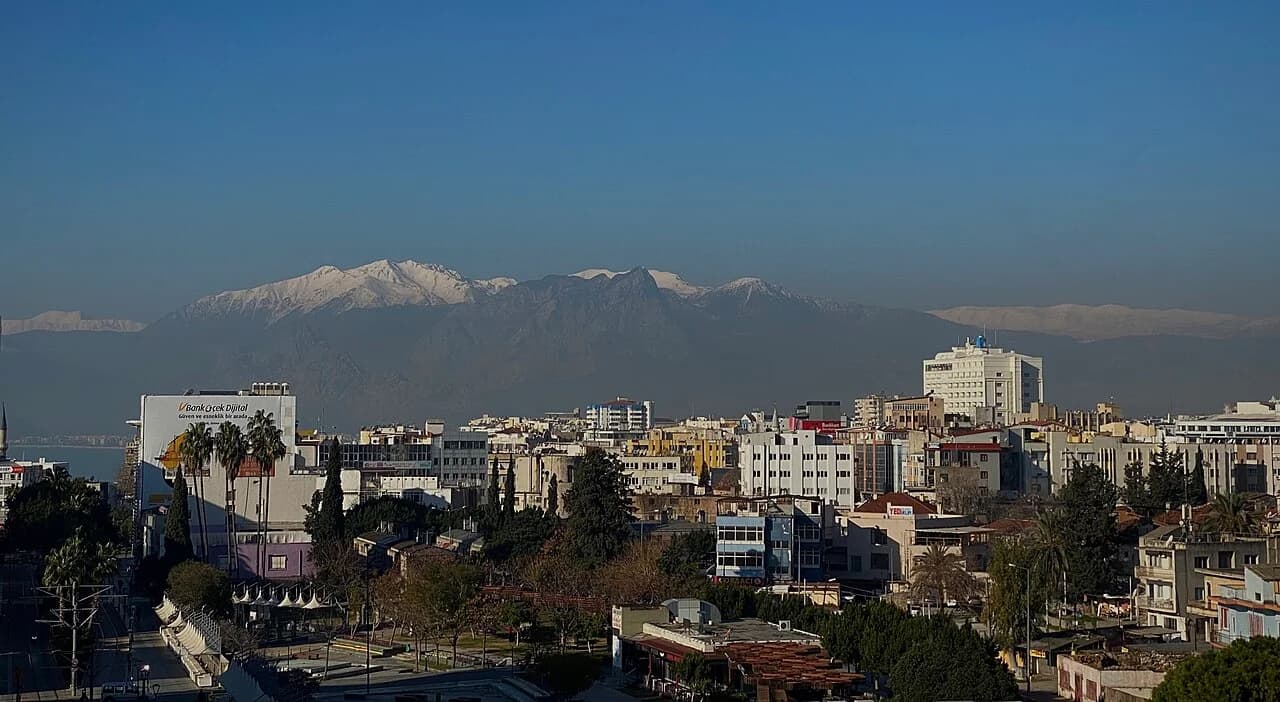
The COP31 UN climate summit in Antalya, Turkey, failed to agree its main deal on 22 November 2026, after the European Union, Panama, Germany and others refused to back a final text that did not mention fossil fuels. The summit's president, Turkish Environment Minister Murat Kurum, told the closing plenary that the decisions had not been adopted.
"I understand that there is no agreement on this text. For that reason, these decisions have not been adopted," Kurum said, according to DW's live coverage.
Why did COP31 fail to reach a deal?
The split was over whether the final declaration should commit countries to moving away from coal, oil and gas. A draft released earlier in the week called for a faster phase-out of fossil fuels, but a second version published on Thursday removed all mention of them, the BBC reported. That pushed the talks past their scheduled Friday close.
A new draft released early on Sunday acknowledged a commitment countries made three years ago to transition away from fossil fuels, but still did not name them, according to the BBC and Euronews. Euronews reported that the text kept a goal to electrify the global economy and a contested push to expand carbon capture and storage.
Who objected, and what did they say?
- European Union: Ireland's climate minister Darragh O'Brien, speaking for the bloc, said: "We will not endorse a cover decision that does not even mention fossil fuels, the driver of climate change." He added that the EU would not accept "a COP that greenwashes fossil fuels".
- Germany: Environment Minister Carsten Schneider said the draft "actually takes a step backward" and was not acceptable.
- Panama: Environment Minister Juan Carlos Navarro said: "We are running out of time. Panama cannot support this decision. The planet cannot continue to wait."
- African Group: Ghana's Antwi-Boasiako Amoah, speaking for the group of negotiators, told the presidency it had "not shown respect" to the 54 African countries.
European nations, small island states and climate activists blamed oil-producing countries for the deadlock, DW reported. Former Greenpeace executive Jennifer Morgan said "Saudi Arabia's fingerprints are all over" the draft and argued that no deal was better than one that set climate action back.
What else was at stake?
The BBC reported that earlier drafts included a goal of raising money for climate adaptation to $120 billion by 2035, a figure later removed, which disappointed African countries. The Sunday text also included, for the first time at a COP, a recognition that the world is on track to miss the Paris Agreement goal of limiting warming to 1.5°C.
The talks were co-hosted by Turkey and Australia, the BBC reported, and took place amid high energy prices and tensions linked to the Iran war, according to Euronews and DW.
What happens next?
UN climate decisions require consensus. The BBC had reported before the closing session that if no consensus was reached, the negotiations could be suspended until next year, something that has happened only once since COP meetings began in 1995.
Not yet clear: whether any other COP31 decisions were adopted separately, and when or where the unresolved talks will resume. Official UNFCCC records of the closing plenary had not been reviewed for this report.
Photo source · Sharon Hahn Darlin, CC BY 2.0