The United Nations marked World Toilet Day on 19 November 2026 under the theme "Safe toilets. Equal futures." UN leaders used the day to say that unsafe or missing toilets keep women and girls out of school, work and public life. The World Health Organization (WHO) said unsafe sanitation is the root cause of more than 1 million deaths every year.
UN-Water coordinates the observance. According to the UN's World Toilet Day page, the 2026 campaign is about how safe sanitation protects the health, safety, dignity and opportunities of women and girls.
How many people still lack a safe toilet?
About 3.4 billion people, roughly 4 in 10 worldwide, still do not have safe toilets, according to WHO/UNICEF figures for 2025 cited by the UN. Here are some of the other figures the UN highlights:
- 1.7 billion people, about 1 in 5, have no place at home to wash their hands with soap and water (WHO/UNICEF, 2025).
- 1 in 5 adolescent girls aged 10 to 19 must share unhygienic toilets with other households or go in the open (WHO/UNICEF, 2023).
- Fewer than 1 in 3 schools around the world have menstrual waste bins in girls' toilets (WHO/UNICEF, 2024).
- In 79 countries, women hold fewer than half of the water, sanitation and hygiene (WASH) jobs in government. In 23 countries they hold fewer than 1 in 10 (WHO/UN-Water, 2022).
What did UN and WHO leaders say?
In his message for the day, UN Secretary-General António Guterres said unsafe or absent toilets expose hundreds of millions of women and girls to risks ranging from loss of privacy to assault. He said they can even stop women from eating and drinking during the day and make menstruation harder to manage. "A community without effective sanitation can never achieve gender equality," he said.
WHO Director-General Dr Tedros Adhanom Ghebreyesus said 1.2 billion people have gained safely managed sanitation since 2015, and 58% of the world's population now has it. But 1.5 billion people still have no private toilet or latrine, and 354 million have no option but to defecate in the open. He linked unsafe sanitation to cholera, intestinal worm infections and other neglected tropical diseases. He also said poor sanitation helps spread antimicrobial resistance, the same threat behind India's national awareness campaign on antibiotic misuse launched this week.
Dr Tedros said scaling up climate-resilient basic sanitation could produce about US$14 in health and economic benefits for every dollar spent. He called sanitation "a political choice to make", not a technical problem.
UN-Water chair Alvaro Lario, who is also president of the International Fund for Agricultural Development, said half of the 3.4 billion people without safe toilets are women and girls. The UN human rights office said 427 million children have no basic sanitation service at school, and that this hits girls' attendance especially once they reach puberty.
Why does this matter?
The UN says that with safe toilets, soap, water and menstrual hygiene facilities, girls can stay in school and women can earn a living. It adds that sanitation in hospitals and clinics protects women patients and health workers, and that toilets in markets and transport hubs make it easier for women to move about independently.
The UN also warns that climate change and extreme weather are making the sanitation crisis worse in many places, and that women and girls pay the heaviest price when services break down.
What happens next?
The UN is asking for investment in gender-responsive sanitation and for women to have a say in designing and running services. Retno L.P. Marsudi, the Secretary-General's Special Envoy on Water, asked governments, communities and partners to listen to women and support their leadership. She urged them to turn that commitment into action as the 2026 UN Water Conference approaches.
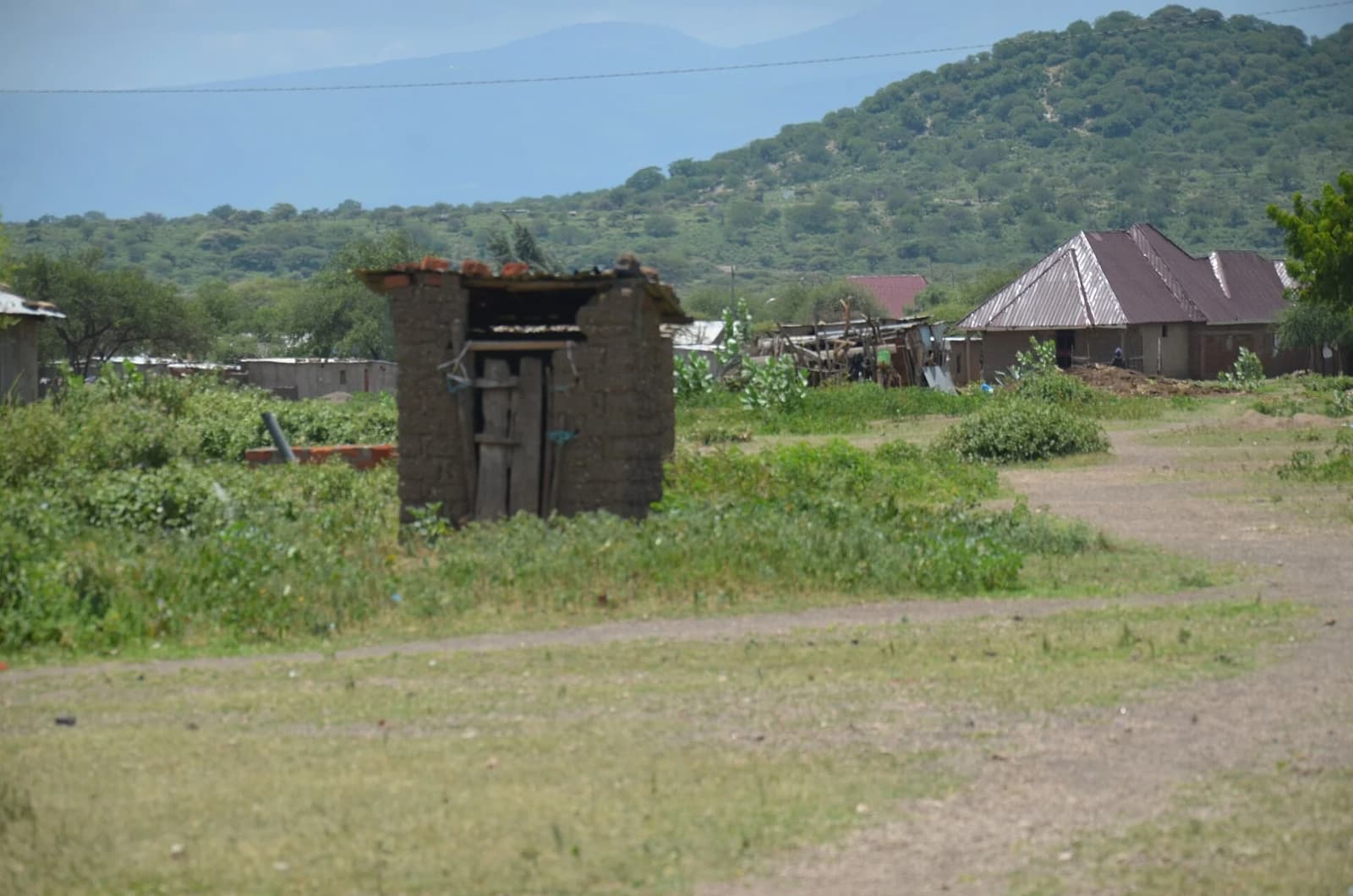
Photo source · Masele Czeus25, CC BY-SA 4.0