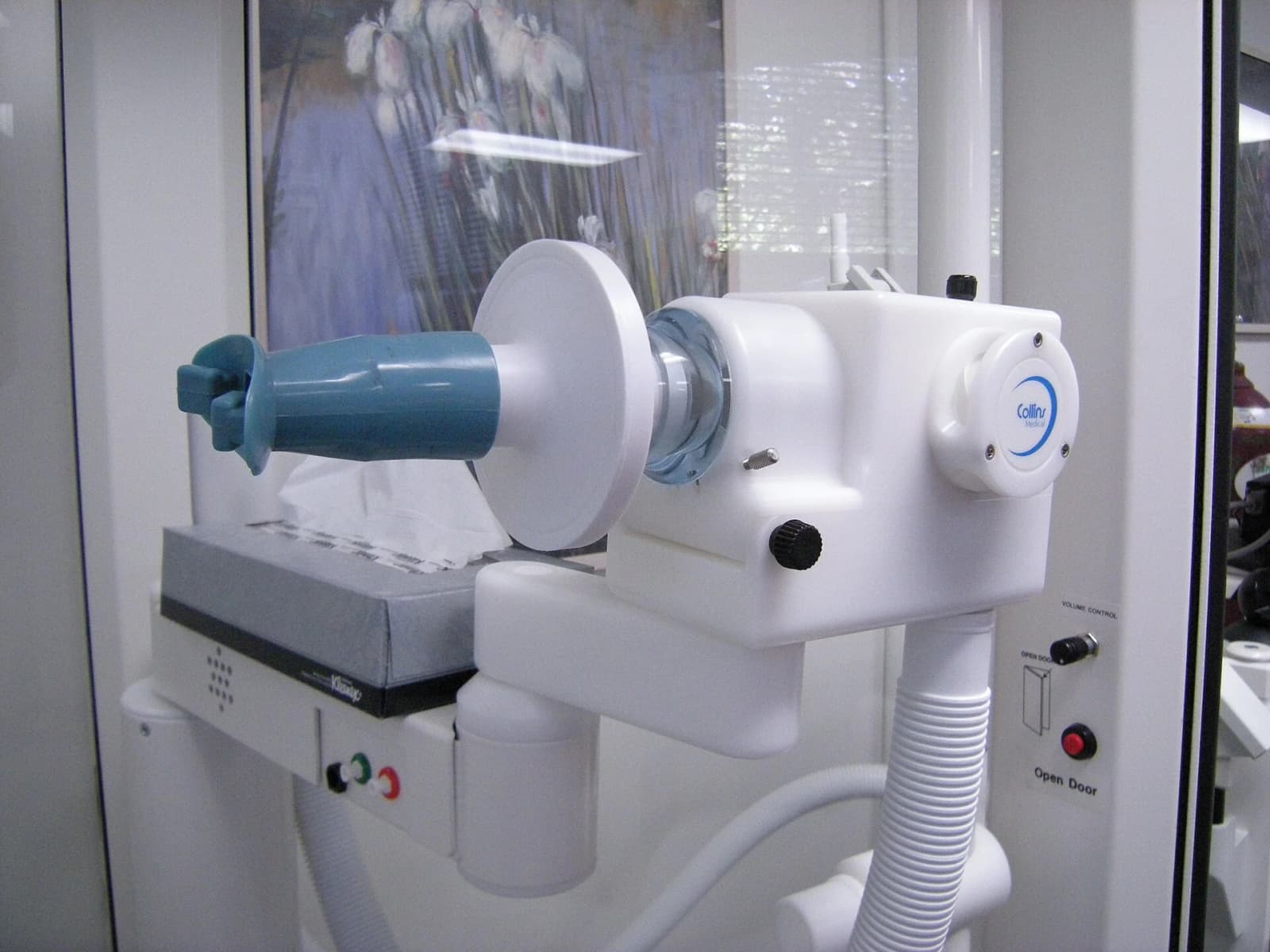
The Global Initiative for Chronic Obstructive Lung Disease (GOLD) marked World COPD Day on 18 November 2026 with a call for earlier diagnosis of the lung disease, as it put out its 2027 strategy report, which changes the first-line treatment advice for people with milder symptoms and gives rehabilitation and exercise a bigger role in care.
This year's World COPD Day theme is "Early Diagnosis and Management for a Better Life". According to GOLD's World COPD Day press release, chronic obstructive pulmonary disease (COPD) kills about three million people around the world each year, with low-resource countries hit hardest. GOLD expects that number to grow as populations age and people remain exposed to tobacco smoke and air pollution.
What is new in the GOLD 2027 report?
The biggest clinical change is a new first treatment for GOLD "group A" patients, who have few symptoms and no history of flare-ups. GOLD's key-changes summary, dated 13 November 2026, lists the change but does not name the drug. According to a report in AJMC, the committee now recommends a long-acting muscarinic antagonist (LAMA), a type of inhaled bronchodilator, for this group. AJMC said this is the only change to the report's drug recommendations.
The summary lists 19 key changes, 150 new references and 12 new figures. Among them:
- Updated definitions of "early COPD", "mild COPD", "COPD in young people" and "pre-COPD", plus a new figure on pre-COPD.
- Expanded sections on spirometry, the breathing test used to confirm COPD, and a revised case for universal spirometry.
- Updated advice on rehabilitation, physical activity, self-management and integrated care, with five new figures.
- Revised sections on heart disease in COPD, new material on biologic medicines and newer inhaler propellants, and updated vaccination information.
- A new section written jointly with the Global Initiative for Asthma (GINA), and a new figure in the chapter on artificial intelligence.
The report, a pocket guide and a teaching slide set can be downloaded from GOLD's website. The report and pocket guide files are dated 15 November 2026.
Why does GOLD say early diagnosis matters?
GOLD says many people get treatment only once the disease is well advanced, because COPD is widely underdiagnosed and misdiagnosed. Patients may not notice or report symptoms. Some health systems lack trained staff or easy access to spirometry. Some doctors are unsure of the diagnostic criteria.
GOLD advises clinicians to look out for adults who:
- have been exposed to tobacco smoke, household or outdoor air pollution, or harmful dust and fumes at work
- have repeated chest infections or genetic risk factors
- were born prematurely or had other disadvantages early in life
- are short of breath or have a long-lasting cough
GOLD supports actively seeking out cases, including spirometry testing for people with symptoms or risk factors. It says that starting treatment early can slow the disease, ease symptoms and prevent future flare-ups.
In comments reported by AJMC before the release, GOLD board chair Àlvar Agustí said the old picture of COPD as a smoking disease of older men is out of date. Smoking is still the main risk, but infections, premature birth, low birth weight and poverty also contribute, and women and young people get the disease too.
Why it matters for readers in India
Air pollution is one of the risks GOLD names. That makes its advice relevant as North Indian cities go through their winter smog season. On 19 November, Union Environment Minister Bhupender Yadav ordered Delhi-NCR civic bodies to take a zero-tolerance approach to air pollution violations. GOLD asks governments to cut smoking, reduce fossil fuel use, improve air quality and widen access to early diagnosis.
What happens next?
GOLD says it will keep working with national leaders and health professionals to build programmes for early detection, prevention and management. It describes the report as a strategy document for clinicians, and patients should talk to their own doctor before making any change to their treatment.
Photo source · Joe Mabel, CC BY-SA 3.0