Seventy per cent of the world's countries now say they have early warning systems covering multiple hazards, but one in three remain without that protection, according to a new report released by the World Meteorological Organization (WMO) and the UN Office for Disaster Risk Reduction (UNDRR) at the COP31 climate conference in Antalya, Türkiye.
The report, Global Status of Multi-Hazard Early Warning Systems 2026, was presented alongside a high-level event on the UN's Early Warnings for All initiative on 11 November. The WMO published its account of the findings and the discussions on 12 November.
Progress in numbers
According to the report, 136 countries now report having multi-hazard early warning systems, which the WMO said is 17 more than in March 2025. The countries still left uncovered are mostly least developed countries and small island states, it said.
The study also links good warning systems to fewer deaths. Countries whose systems are rated substantial to comprehensive record disaster mortality six times lower than countries whose systems are limited or moderate, the report found.
Warnings are increasingly being used to act before a disaster arrives. In 2025, the report counted 146 anticipatory action activations across 54 countries, reaching 9.6 million people.
Guterres calls for funding the whole warning chain
UN Secretary-General António Guterres, who launched the Early Warnings for All initiative, told the event that no one should die because a warning was late or never came. He said about USD 2 billion had been mobilised since 2022 and around 160 countries were receiving support, but argued that money must cover every link in the chain, from forecasting and communication tools to volunteers who go door to door.
Weather services short of staff and tools
WMO Secretary-General Celeste Saulo described the initiative as a collective response to "an existential threat". She pointed out that cyclones, dust storms and floods often begin hundreds of kilometres from where they strike, so data and warnings must be shared across borders.
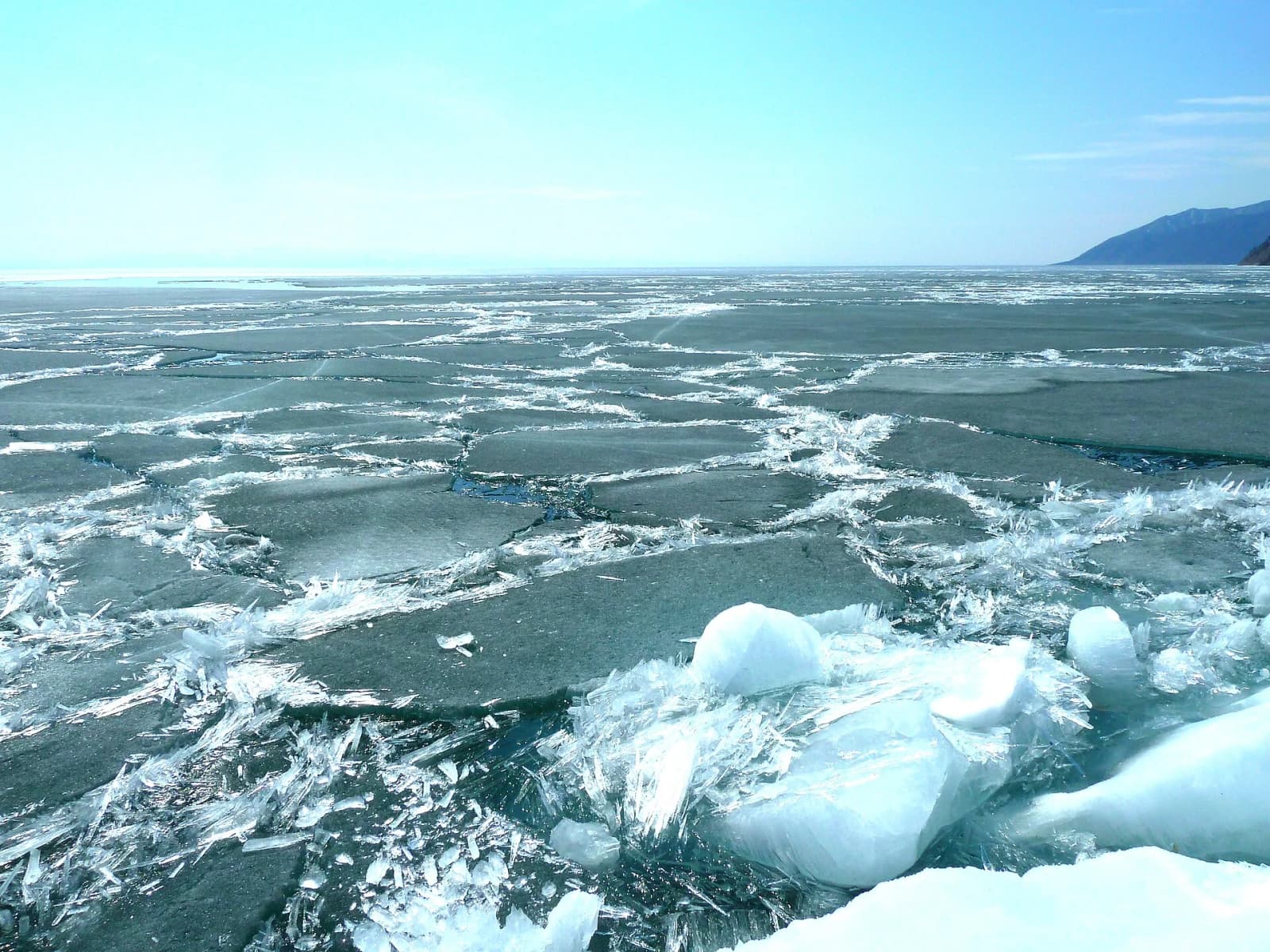
She warned that hazards are changing faster than the systems built to cope with them. As an example, the WMO cited an August collapse of rock and ice into a river on the Nepal–China border that sent a flood racing at almost 200 kilometres an hour, overwhelming a warning system designed for monsoon floods. Saulo also said the strongest El Niño since 1950 was testing every system at once this year.
The WMO listed several operational gaps:
- Only 15 of every 100 national weather services have all the technicians they need.
- Only 14 of every 100 provide impact-based forecasts that explain what the weather will do, not just what it will be.
- Twenty-nine national weather services still rely on an unstable internet connection, even as some AI forecasting tools can now run on modest computers.
Africa catches up
Saulo told a separate COP31 event on Africa that no region has improved its early warning systems more than Africa, which she said now stands level with the Americas on average. She noted, however, that fewer than half of the people hit by disasters in Central and West Africa received warnings.
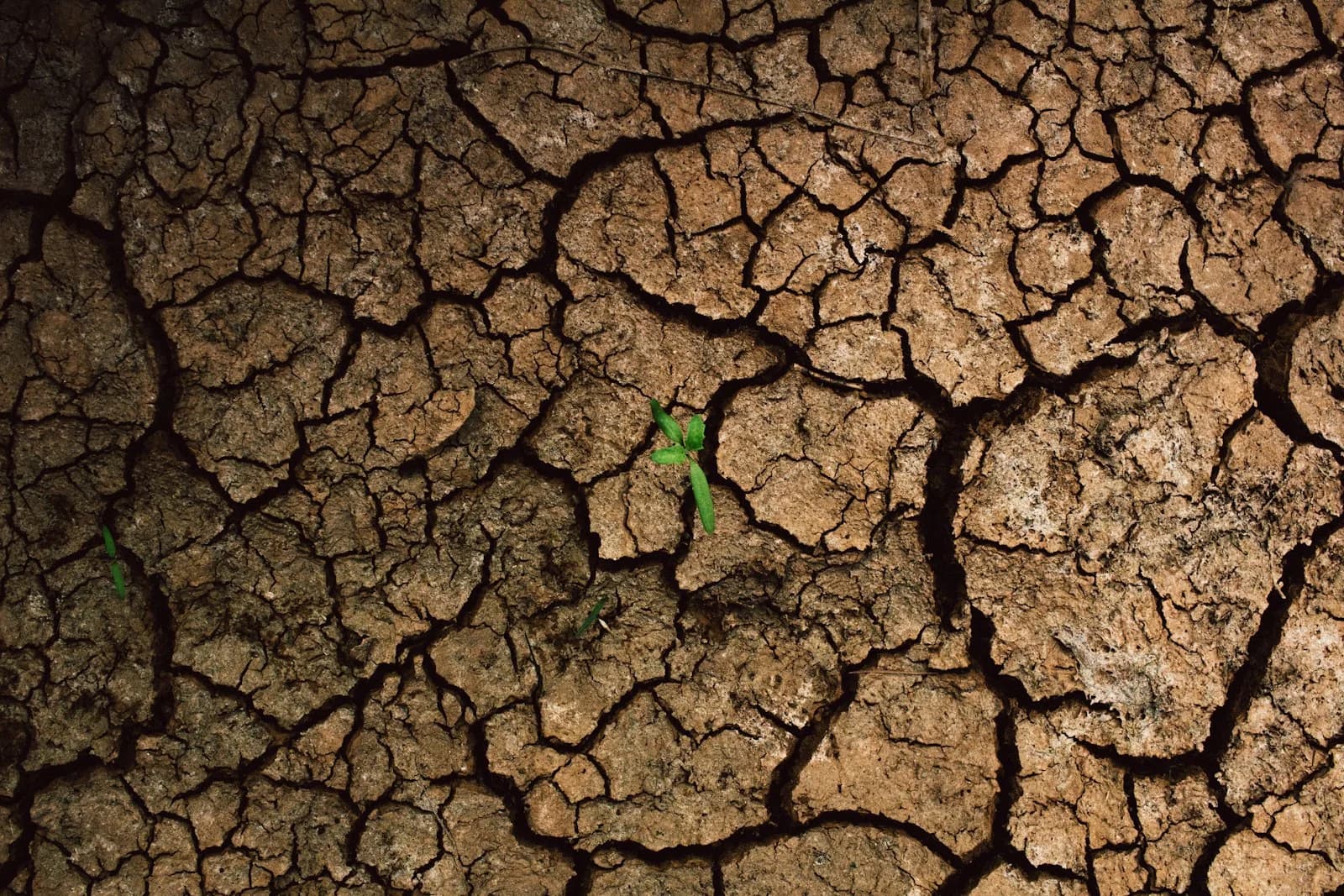
She gave the example of this year's El Niño response: within two weeks of the WMO declaring the event in June 2026, Africa's climate forum met in Zambia, and humanitarian funds were released in Madagascar and Zimbabwe before drought arrived, based on WMO forecasts.
What comes next
The initiative's original target year is 2027, and speakers at the Antalya event focused on what should follow. All of them said Early Warnings for All must continue beyond that date. The WMO called for a shift from scattered projects to coordinated, long-term backing for plans led by countries themselves.
Saulo argued that national meteorological and hydrological services should be at the centre of this work and funded every year like hospitals and other essential public services, rather than only when new systems are opened.