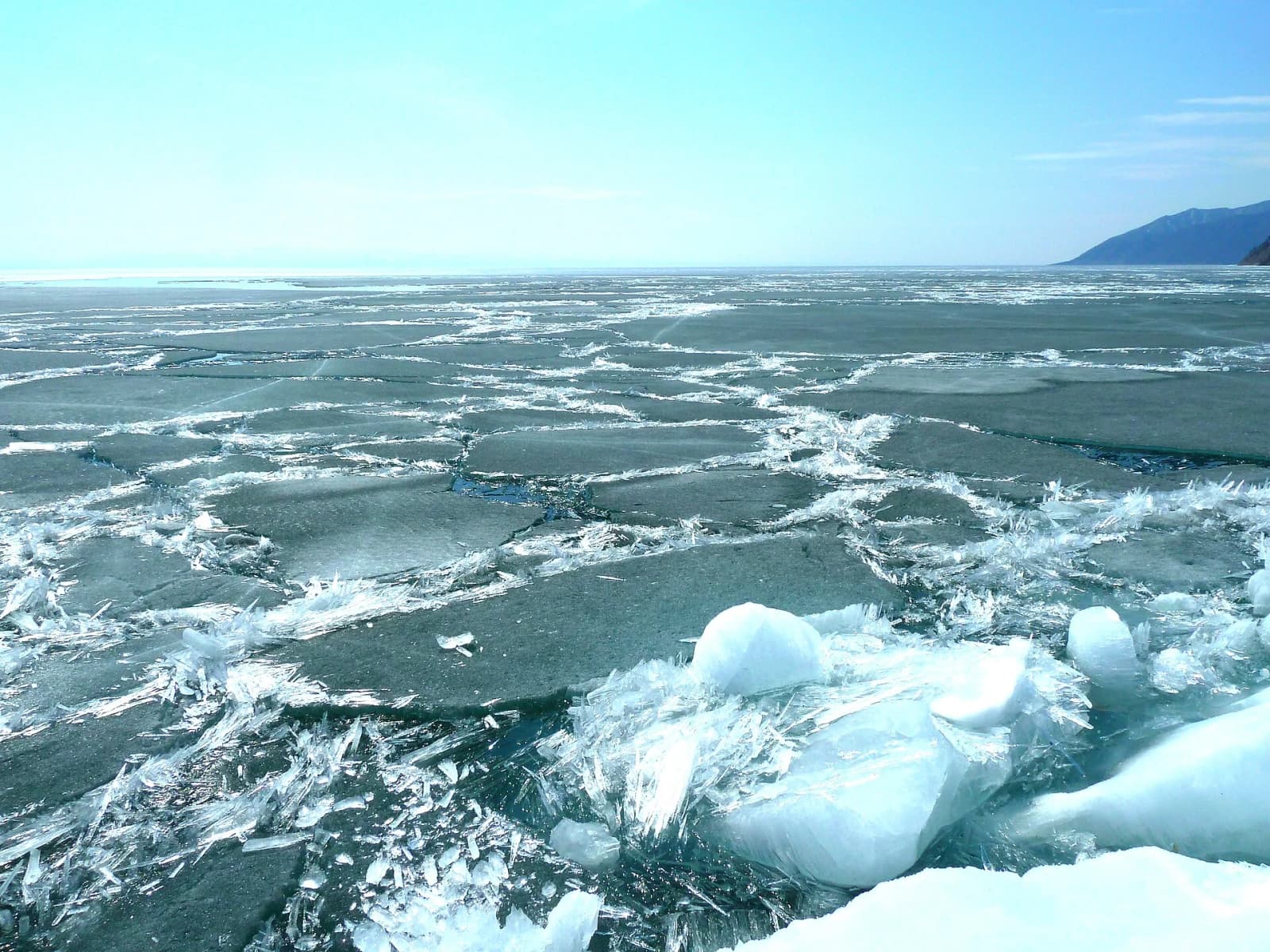
Lake Baikal, the Siberian lake that holds more fresh water than any other on Earth, is getting more water again after a long decline, according to a new study in Geophysical Research Letters. The researchers link the turnaround mainly to shifting weather patterns that are bringing more moisture to the region.
The study was led by Shijie Wang, a doctoral researcher at Yunnan University, and was reported by Phys.org on 14 November 2026. Its title describes "an unprecedented water recovery in the world's most voluminous freshwater lake".
A lake of global importance
Baikal holds about 20% of the world's surface fresh water, the report says. It is the largest freshwater lake by volume, while Lake Superior on the US–Canada border is the largest by surface area. Baikal was named a UNESCO World Heritage site in 1996, partly for its rich wildlife.
Over the last century the lake has been in decline, as drier conditions spread across East Asia.
Reading 343 years of tree rings
To see how the lake's water supply has changed, the team turned to tree rings. Wide rings usually mark wet or warm years, while narrow rings point to drought, cold or stress. The researchers took small cores from pine trees around the lake and also used the International Tree-Ring Data Bank, building a record that covers 343 years.
They focused on the Selenga River, which feeds the lake. In the worst periods of the 20th century, its flow into Baikal dropped by as much as 90%. About half of the extreme drought years in the whole record came after 1900.
The picture has changed recently. Since 2017, the river's flow has risen to 145% above its long-term average. The study also points to rising lake levels and stronger plant growth as signs of recovery.
The researchers noticed a pattern: increases in river flow tend to come suddenly and fade quickly, while declines build slowly and last longer.
What is driving the change
According to the study, the swings in river flow are not explained by local land temperature or evaporation. Instead they track rainfall, drought severity, soil moisture, snowmelt and the balance between water supply and demand in the basin.
Cooler sea surface temperatures and more sea ice in the nearby North Pacific and Arctic were linked with higher river flow. The team says the recovery comes mainly from changing weather patterns carrying more moisture from the Nordic and Siberian shelf seas.
A slowdown in regional Arctic warming has probably reduced sea ice loss in the Bering, Chukchi and Okhotsk seas, the researchers say. They stress that this slowdown reflects natural swings in the climate and is not a significant change in global warming.
What it means
The findings could help scientists better predict lake levels and the spread of dry conditions in the region. The report suggests steps such as better water storage, identifying aquifers, upgrading wastewater systems and restoring wetlands in the Selenge River Delta, which can soak up water and release it slowly in dry months.