Most countries now have the people and paperwork in place to deal with the health effects of climate change, but very few have the money or staff to act on their plans, according to a World Health Organization survey of 146 countries published on 13 November.
The 2025 WHO Health and Climate Change Global Survey, based on information reported by national health authorities, drew the largest response in its history, up from 95 countries in 2021. India was among the nine countries that took part from WHO's South-East Asia Region. The report sums up its central finding plainly: the institutional foundations are more widespread, but implementation remains shallow.
Plans on paper, little funding
Nine in ten countries surveyed have a climate and health focal point in their health ministry, and 55% have a dedicated unit for the subject. More than half have a national health and climate change strategy or a health national adaptation plan.
Turning those plans into action is where things stall. The survey found that:
- 91% of countries named lack of finance as the leading barrier to implementing their adaptation plans and strategies.
- Over two-thirds said they had no funding (20%) or only minimal funding (48%) to carry out their health national adaptation plans.
- 38% reported no or minimal implementation of those adaptation plans.
- Other barriers included limited human resources (79%), climate being ranked below other health priorities (69%) and gaps in technical knowledge and evidence (63%).
Mosquito-borne disease tops the risk list
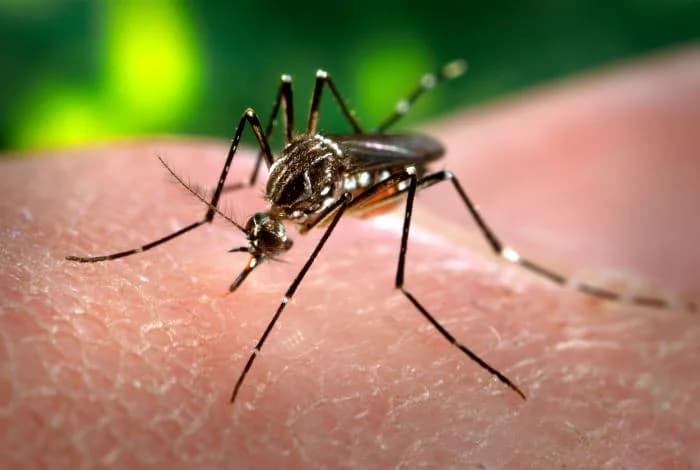
Asked which climate-linked health threats they treat as priorities, countries most often listed vector-borne diseases such as those spread by mosquitoes (88%), followed by water-related diseases (77%), heat-related illness (73%) and impacts on health systems themselves (66%).
Some 98 countries, home to 6.6 billion people, have carried out a climate and health vulnerability and adaptation assessment at some point. But while 68% of them said the findings at least moderately shaped health policies, only 37% said the results had a comparable influence on where staff and money were directed.
Links between health ministries and weather services are also uneven: 45% of countries reported a formal data-sharing agreement between the two. And although 64% said at least some health staff had been trained on climate and health in the past two years, in most of those countries the training reached fewer than 10% of staff.
Cutting health sector emissions barely begun
WHO said the move to low-carbon health systems is at an early stage. Only 12% of countries have a national plan or roadmap for it, 17% have assessed the main sources of greenhouse gas emissions in their health sector, and just 7% routinely monitor those emissions.
Poorer countries left further behind
Access to international, external or private funding for climate and health work among low-income and lower-middle-income countries rose from 28% in 2021 to 43% in 2025. Yet only 28% of low-income countries reported such access, compared with 50% of lower-middle-income countries. Low-income countries also lagged on staff training, health facility resilience checks and emissions monitoring, even though they often face some of the biggest climate-related health risks, the report said.
What happens next
WHO said the survey sets the baseline for tracking progress under its Global Action Plan on Climate Change and Health and the climate-related goals of its Fourteenth General Programme of Work. Its stated priorities include moving from plans to funded implementation, building workforce capacity, improving monitoring, widening access to finance and speeding up the shift to low-carbon health systems, while making sure lower-income countries are not left behind.