The World Health Organization (WHO) and the Africa Centres for Disease Control and Prevention (Africa CDC) on 24 November 2026 published an updated continental plan to stop the Bundibugyo virus disease (BVD) outbreak centred in the Democratic Republic of the Congo, estimating that the next six months of the response will cost about US$1.6 billion.
The Bundibugyo virus continental preparedness and response plan, November 2026–May 2027 replaces the first plan that covered June to November 2026. Its message is blunt: despite major gains, the outbreak, a form of Ebola disease, is not under control.
How big is the Bundibugyo outbreak now?
It is the largest Bundibugyo epidemic ever recorded, according to the plan. As of 17 November 2026, the Democratic Republic of the Congo had reported 11,613 confirmed cases, including 5,678 deaths, a crude case fatality ratio of 48.9%. Cases have been found in 68 health zones across eight provinces, and 48 of those zones reported at least one new case in the previous 21 days.
Ituri and Nord-Kivu remain the worst-hit provinces, with Beni, Bunia and Mandima reporting the most cases and deaths in recent weeks. Watsa, in Haut-Uélé province, is the latest health zone to be affected, with 11 confirmed cases.
Outside the Congo, cases have been reported in Uganda, France, Kenya and Nigeria. Uganda declared its outbreak over on 28 July 2026, an imported case in France was contained, and Kenya and Nigeria have started 42-day countdowns towards declaring their outbreaks over, the document says.
What does the new plan change?
The plan organises work under 15 technical pillars and promises "one plan, one budget" and a single monitoring framework shared by governments and partners. It prioritises five areas for scale-up: finding cases and contacts faster, safe and accessible clinical care, community-led protection, quicker safe and dignified burials, and protecting people in conflict-affected and displaced settings.
A joint Africa CDC–WHO review cited in the plan found missed transmission chains, poor data quality, delayed reporting and care-seeking, and persistent community mistrust. In a foreword, Burundi's President Évariste Ndayishimiye, who chairs the African Union, wrote that six in ten deaths still occur in the community rather than in treatment centres, and called for a "peace corridor" giving health workers, supplies and patients safe passage.
The document also lists progress from the first phase: treatment capacity in the Congo has grown to more than 2,000 beds, field laboratories have increased from two to 30 and tested over 60,000 samples, and burial teams have more than doubled from 53 to 114.
Where does the money go?
The plan puts the six-month requirement at US$1.576 billion, within a range of US$1.509–1.648 billion. Surveillance is the largest single item at about US$257 million, followed by infection prevention, sanitation and safe burials (US$236 million), case management (US$228 million) and community engagement (US$215 million). About US$1.5 billion was pledged at a meeting of leaders and partners convened on 16 June 2026, including over US$100 million from African countries, according to a foreword in the document.
Is there a vaccine yet?
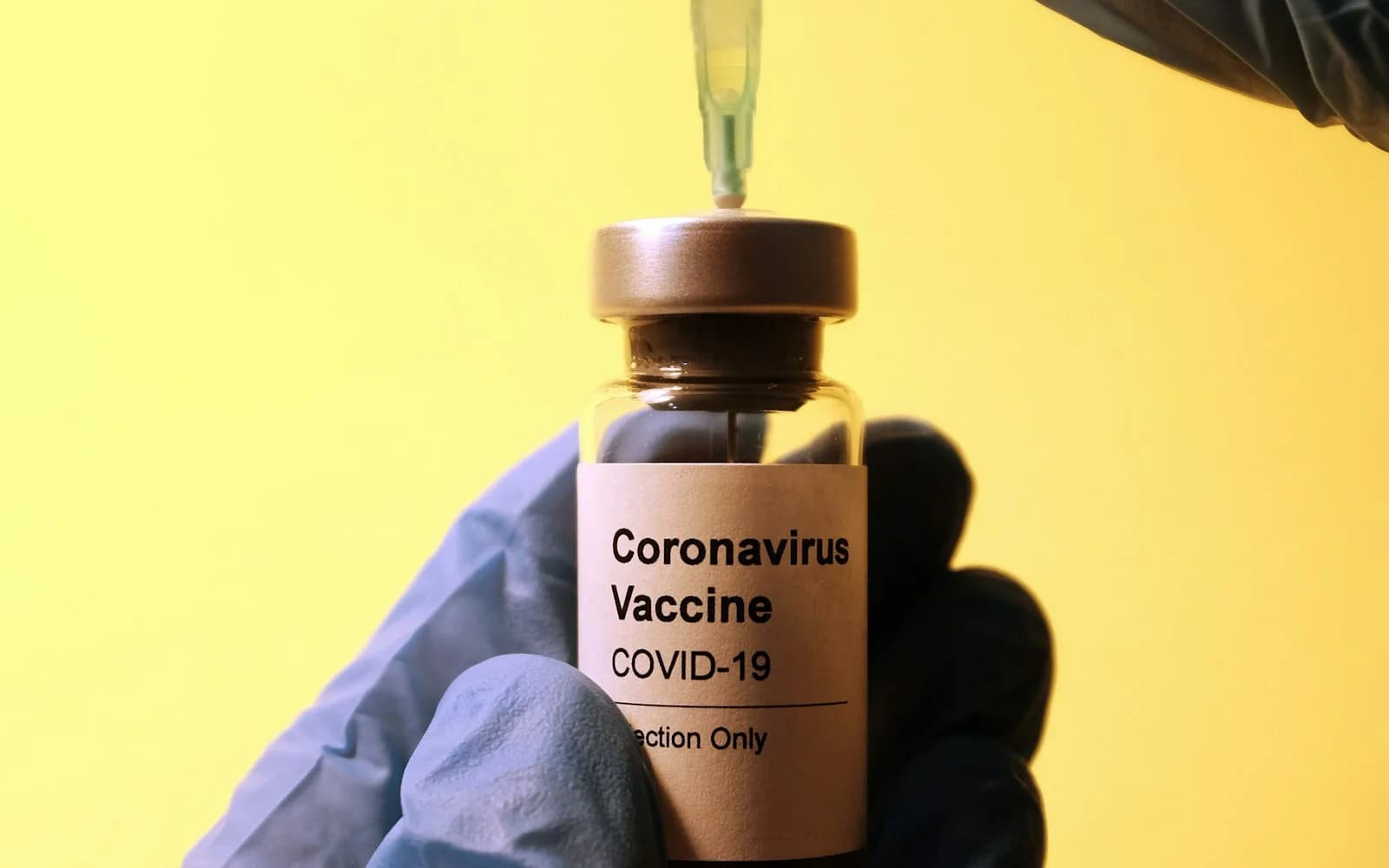
No licensed vaccine or treatment is approved specifically for Bundibugyo virus, the plan says. A phase 2/3 vaccine trial called TUMAINI began in the Congo on 23 October 2026 with Ervebo, a vaccine licensed against a different Ebola species. WHO advisers have recommended adding two Bundibugyo-specific candidates: ChAdOx1-BDBV, developed by the University of Oxford and the Serum Institute of India, and Moderna's mRNA-BDBV-1469.
A treatment trial testing MBP-134 and remdesivir has enrolled more than 900 participants, and a trial of the oral antiviral obeldesivir for exposed contacts has enrolled more than 690. The plan's cost model assumes vaccines could become available under expanded access in early 2027.
What happens next?
National governments will lead implementation, with Africa CDC and WHO coordinating at continental level. The plan urges neighbouring and at-risk countries to strengthen readiness, and South African President Cyril Ramaphosa, the African Union's champion on pandemic preparedness, writes in a foreword that blanket travel and trade restrictions push people towards unmonitored crossings. MapMyTimes has earlier examined the dangers facing Ebola responders in Ituri. The first-phase plan is available on the WHO Africa website.