The head of the UN World Food Programme warned the Security Council in New York on 23 November 2026 that disrupted shipping through the Strait of Hormuz, the Bab el-Mandeb Strait and the Black Sea could add US$727 million to the agency's costs by mid-2027, putting food assistance for 7.3 million people at risk.
"It's an unthinkable scenario and it could not come at a worse time," WFP Executive Director Luke Lindberg told the Council, according to the text of his remarks published by WFP. He said the "triple choke point" had sharply tightened the supply of food exports and farming inputs, and that rising transport and commodity costs were "directly translating into less food for fewer families".
What did the WFP chief tell the Security Council?
Lindberg said the WFP expects about $727 million in additional costs by mid-2027 if current conditions do not change. He said 266 million people worldwide already face acute hunger, with a risk of famine in parts of Sudan, South Sudan and Somalia.
He pointed to wider price pressure: the FAO Food Price Index reached a near four-year high in September, and wheat prices were almost 10 percent higher than in January. In Sudan, he said, the cost of a basic diet is now 130 percent higher than in February.
Lindberg also warned of a delayed hit to harvests. He said 30 percent of global fertiliser supplies pass through the Strait of Hormuz, and that escalation in the Middle East coincided with the start of the planting season in Africa and Asia, so lower yields were likely in the next harvest.
Why is the Black Sea at the centre?
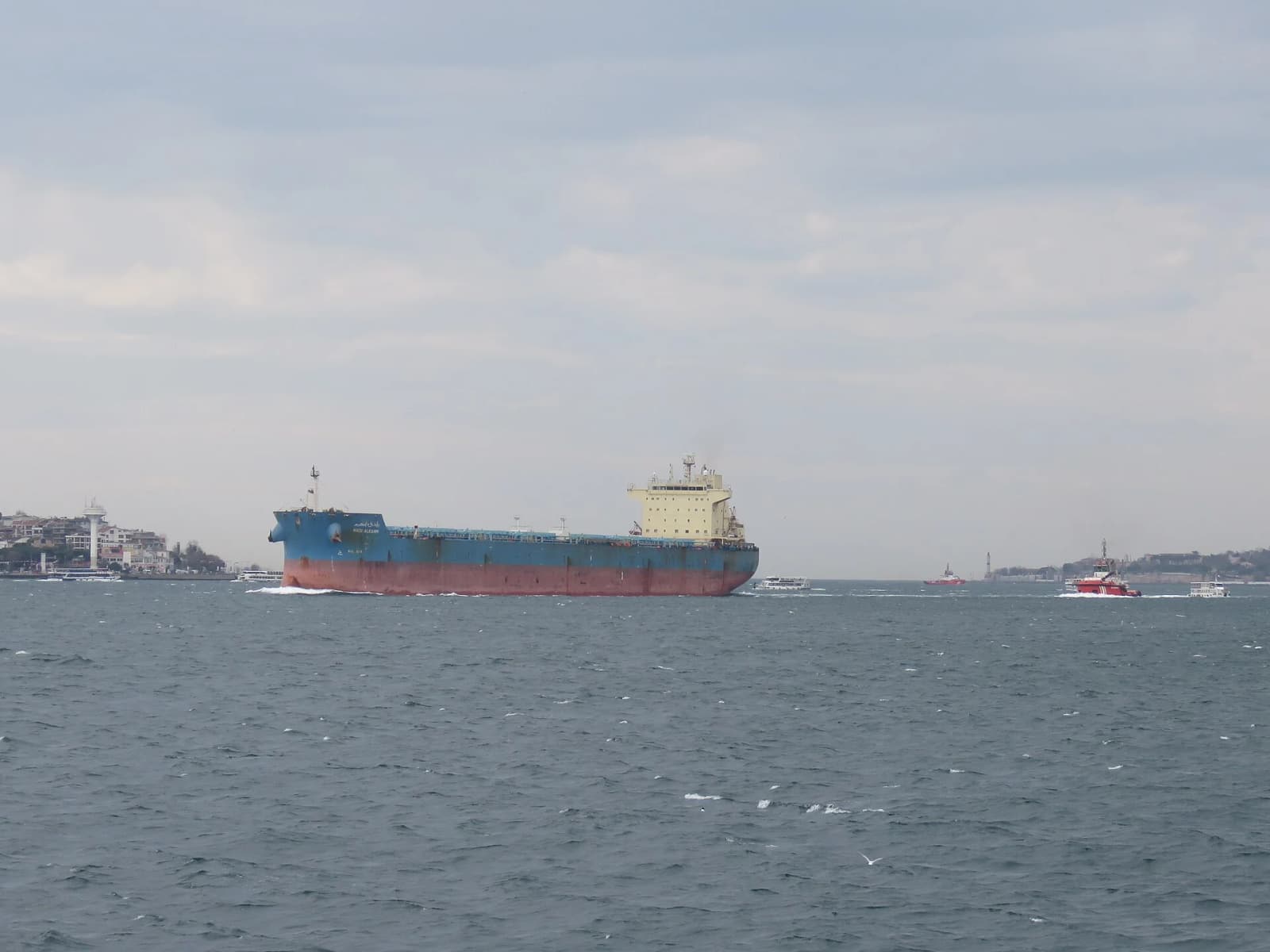
According to Lindberg, as of mid-October 63 percent fewer wheat and maize vessels were moving through the Bosphorus than at the same point in 2025. He called the Black Sea "the deadliest maritime route in 2026", with more than 300 attacks recorded and at least 40 people killed. As a result, he said, around 10 million tonnes of Russian and Ukrainian wheat may not reach global markets this year, enough to feed 44 million people.
"This is not a problem of production. It is a political problem," he said, adding that grain silos in Ukraine and Poland are full. He said the WFP stands ready to help move humanitarian grain shipments from both Russia and Ukraine through "a strictly humanitarian mechanism", and asked the Council for support. Lindberg told Reuters that any revived arrangement would have to cover both Russian and Ukrainian exports to be accepted.
How did others respond?
Latvian President Edgars Rinkēvičs, whose country holds the Council's rotating presidency, said Latvia would back a new Black Sea initiative but added, "I don't see momentum as we speak today," Reuters reported. Anadolu Agency reported that Russia, at the Council on Monday, ruled out a new grain deal, arguing that only 3 percent of grain under the earlier arrangement reached needy countries.
UNDP Administrator Alexander De Croo, who also briefed the meeting, said attacks on Ukraine's power and water networks had left a 6-gigawatt electricity gap, Anadolu reported. India has also pressed the Council to stop attacks on Black Sea shipping, citing Indian seafarers killed and missing, as MapMyTimes reported.
Why it matters
The WFP has already cut its 2027 target to 91 million people, down from 110 million this year, as set out in its 2027 plan. Reuters noted that the agency's total costs last year were nearly $12.2 billion, so the projected increase would be close to 6 percent. Higher costs could force further cuts, according to the report.
What happens next
No Council decision or formal proposal for a new grain mechanism was reported after the meeting. Lindberg asked member states to commit to three "red lines": no more famines, no more weaponisation of food and no more attacks on humanitarian workers.
Photo source · Calistemon, CC BY-SA 4.0