Russia's Foreign Ministry summoned Estonia's chargé d'affaires in Moscow, Marek Ühtegi, on 23 November 2026 to protest Tallinn's decision to shut its road border with Russia, and warned that Estonia's actions were "on the verge of triggering open war with Russia".
"The Estonian diplomat was once again told that such provocative and extremely dangerous actions are on the verge of triggering open war with Russia," the ministry said in a statement quoted by Al Jazeera. Estonia's public broadcaster ERR reported that Ühtegi left the ministry after about an hour without commenting.
What is Estonia closing, and why?
Estonia's government decided on 20 November to suspend traffic at all its road crossings with Russia, Narva-1, Narva-2, Koidula, Luhamaa and Saatse, from 1 December for at least six months, according to ERR. Reuters, as carried by NBC News, reported that rail freight is not affected but remains subject to strict customs checks.
Tallinn has linked the move to an attempted arson attack on an Estonian defence company, which it blames on Russian security services. Moscow denies any involvement. Interior Minister Igor Taro said "Russian security services are intimidating and trying to recruit our citizens" at border checkpoints and that Estonia "cannot tolerate" this any longer, Reuters reported.
Estonian police data cited by Reuters show about 760,000 people crossed the border this year, including 307,000 Russian nationals, 175,000 Estonian citizens and 54,000 Finnish passport holders.
What is Moscow accusing Tallinn of?
Besides the border closure, the ministry accused Estonia of "tacitly" allowing Ukrainian drones to use its airspace for attacks on north-western Russia and of trying to obstruct Russian cargo ships in the Baltic Sea, Al Jazeera and ERR reported. It also listed a ban on transit of Russian and Belarusian grain and alleged restrictions on the Russian language and pressure on the Moscow-linked Orthodox Church.
The ministry said closing the border "will inevitably backfire" on Tallinn and on its EU and NATO allies, and that Russia "reserves the right to take comprehensive political and diplomatic measures" to protect its interests. Earlier, ministry spokeswoman Maria Zakharova had described the closure as an attempt to put up "a new Iron Curtain", Reuters reported.
How has Estonia responded?
Estonia's Foreign Ministry said it does not usually engage with "Russian propaganda narratives", but added: "Estonia has never allowed, and will never allow, its territory to be used for military operations by another country." Foreign Minister Margus Tsahkna was quoted by ERR as saying that "closing the border is a necessary step towards reducing security threats originating from Russia". Defence Minister Martin Herem said far more Ukrainian drones had entered Estonian airspace from the Russian side than the other way round.
NATO Secretary General Mark Rutte, speaking in Berlin, said the alliance was watching the situation in Estonia as well as last week's incursion by Russian missiles into Polish airspace. "When it comes to the military domain, we will always make assessments of our deterrence and defence and make updates where necessary," he said, according to Al Jazeera.
Why it matters
Estonia is a NATO and EU member and a strong backer of Ukraine. Neighbouring Finland closed its crossings with Russia in 2023 and has kept them shut, while Latvia and Lithuania keep theirs open, Reuters noted. The war of words comes as diplomacy over Ukraine continues; Ukrainian President Volodymyr Zelensky this week called for four-party peace talks with Russia, Europe and the US.
What happens next
The closure is due to take effect on 1 December. Moscow has not said what specific measures it may take in response.
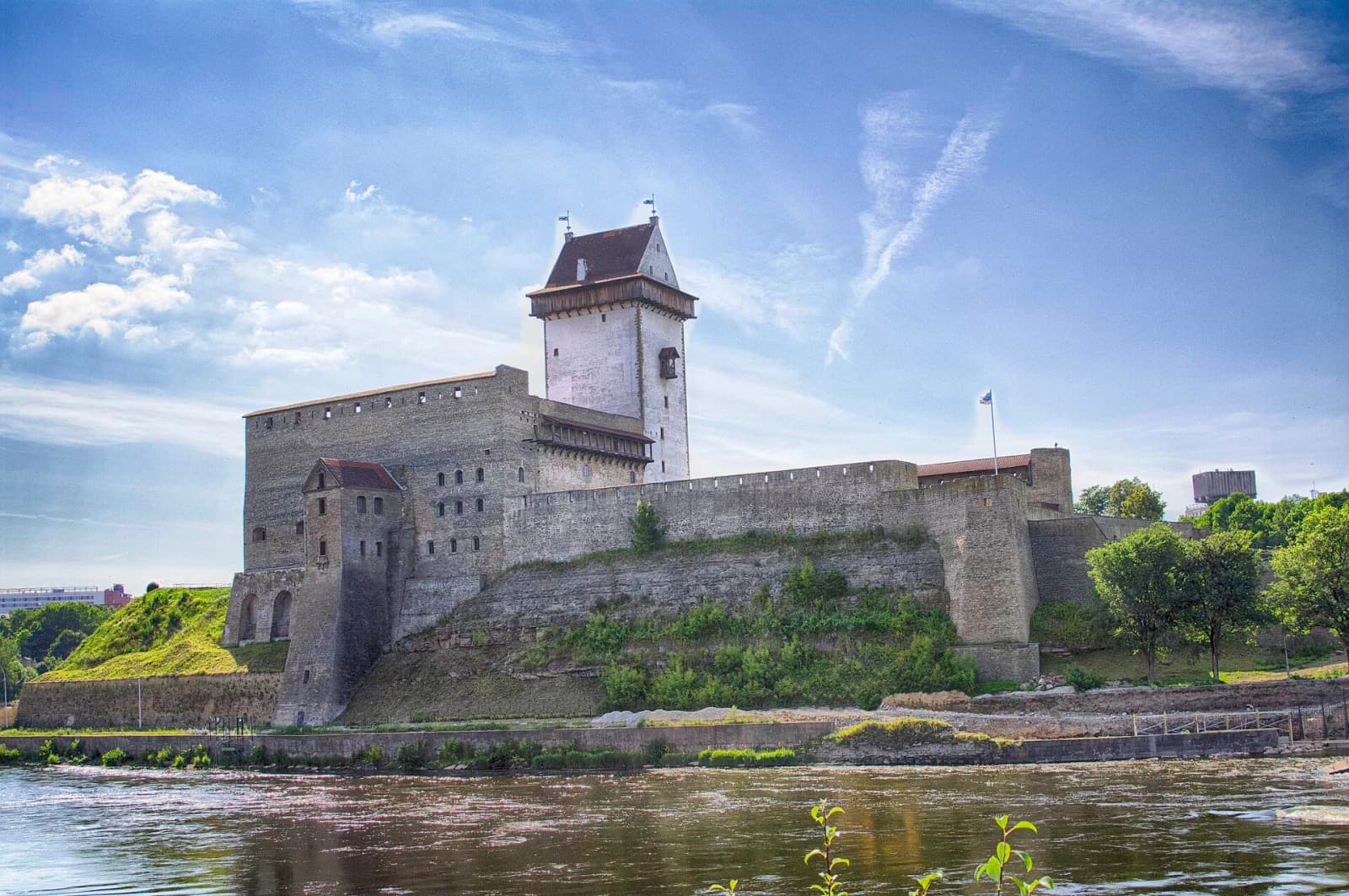
Photo source · Andrey Korchagin, CC BY-SA 2.0