The Pennsylvania Department of Health on 23 November 2026 confirmed the state's ninth measles-associated death of the year, an unvaccinated resident of Centre County in central Pennsylvania. The outbreak, the largest in the United States, has now reached 1,638 confirmed cases across 46 of the state's counties, the department said in its update.
What do we know about the latest death?
Very little beyond the county and vaccination status. The department said the person tested positive for measles and died, that the death was reported to the federal Centers for Disease Control and Prevention (CDC), and that it would not release further details, saying "families deserve the dignity to mourn in private". It did not name a spokesperson in the release.
The nine deaths are spread across six counties: Lancaster (3), Jefferson (2), and Centre, Clinton, Mifflin and Montour (1 each). CBS News noted these are Pennsylvania's first measles deaths in 35 years.
How big is the outbreak?
The state counted 49 new cases since 18 November and 330 hospitalisations so far in 2026, meaning nearly one in five people identified with measles has needed hospital care. Only five cases, under 1 per cent, were in vaccinated people. The department noted that measles kills about one to three of every 1,000 patients.
Nationally, the CDC had confirmed 5,838 cases this year as of 19 November, its highest count since 1991, Al Jazeera reported. That is well over double the 2,289 cases recorded in all of 2025, itself a 30-year high, according to CBS News. The death came less than a week after the United States lost the measles elimination status it had held for more than 25 years.
Why do federal and state death counts differ?
The CDC has listed six measles-associated deaths nationally in 2026 without saying which states they occurred in, even though Pennsylvania alone reports nine, Al Jazeera reported. The gap opened after the CDC, under Health and Human Services (HHS) Secretary Robert F. Kennedy Jr., moved to using National Center for Health Statistics mortality data rather than state figures. HHS said it was "saddened to hear of another death in Pennsylvania" and that the CDC had given the state nearly $4 million in one-time emergency funding.
Other states are also recording deaths. Virginia reported its first measles-related death in more than three decades, a child under five, days before Pennsylvania's announcement; Wisconsin has reported two deaths and New York state one, according to Al Jazeera.
What are health officials advising?
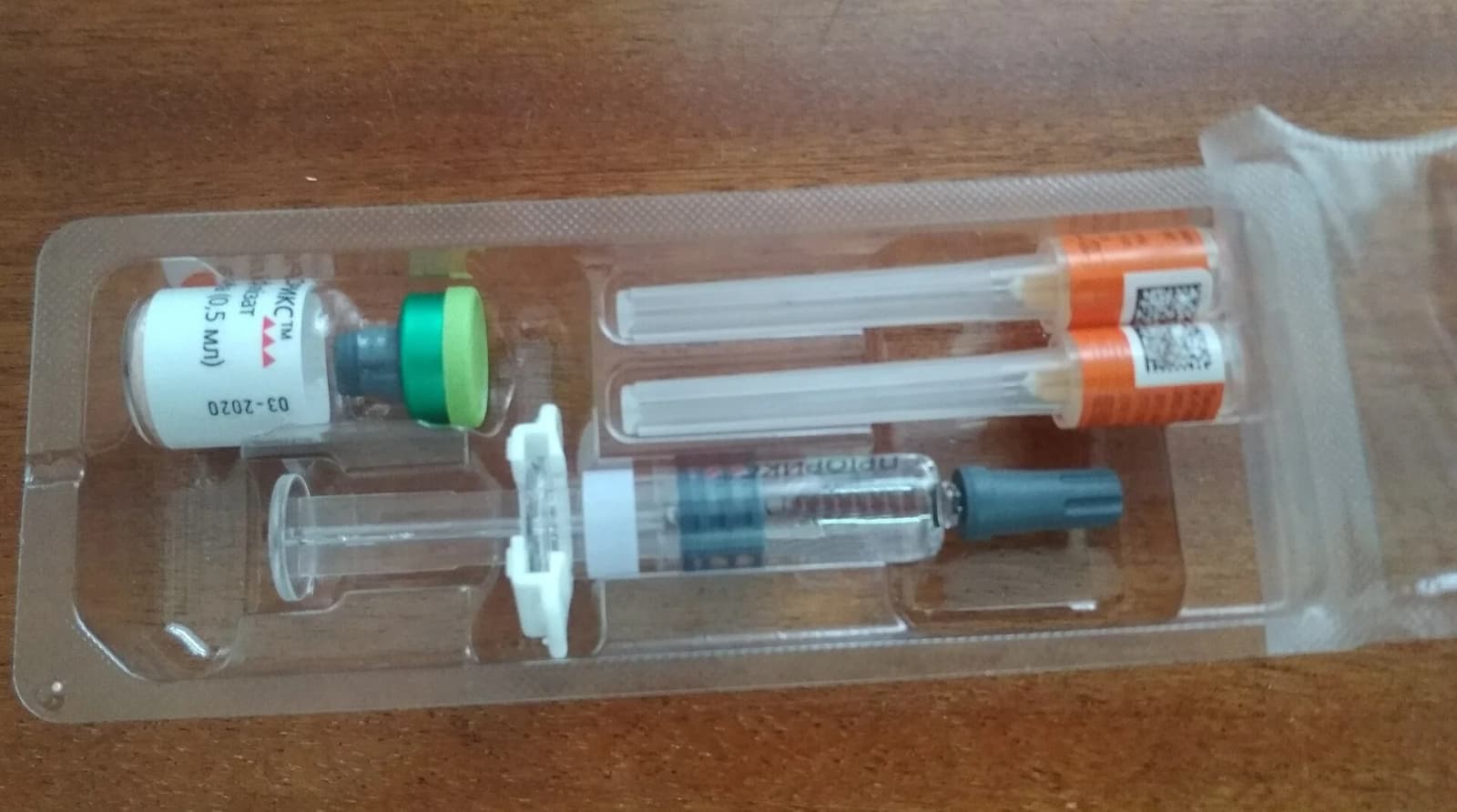
"Getting vaccinated remains the best protection against the measles virus," the department said. Two doses of the measles, mumps and rubella (MMR) vaccine are about 97 per cent effective for life. Children aged 12 months and older with no doses should get one now and a second at least 28 days later, and infants aged six to 11 months in counties with sustained spread may receive an early extra dose. Demand has risen: providers gave about 56,000 doses in September and nearly 62,000 in October, against a usual 25,000 a month.
Symptoms can appear seven to 21 days after exposure, starting with fever, cough, runny nose and red, watery eyes before a rash spreads down from the head. People are contagious from four days before to four days after the rash appears, and the virus can linger in the air for up to two hours. The department updates its figures weekly; the next update will show whether the pace of new cases is slowing.
Photo source · Dctrzl, CC BY-SA 4.0