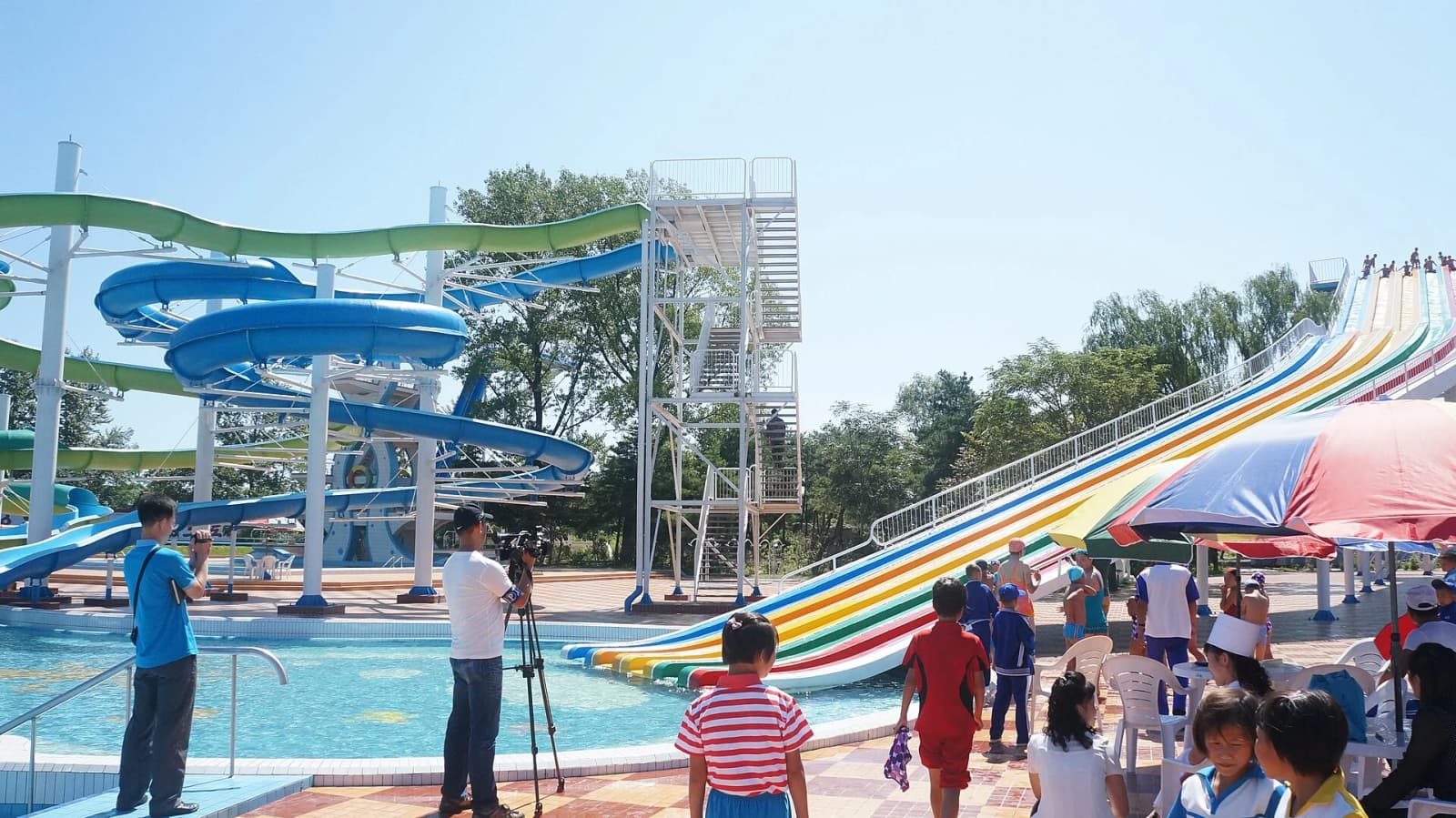
North Korea on 24 November 2026 threatened to shut Switzerland's newly reopened diplomatic office in Pyongyang, after Swiss authorities placed the Songdowon International Children's Camp in Wonsan on their Russia-related sanctions list. The warning came from Kim Yo Jong, the sister of leader Kim Jong Un, in a statement carried by the state-run Korean Central News Agency (KCNA), according to Yonhap, The Associated Press and Reuters.
What did Kim Yo Jong say?
She said the Swiss office had "spontaneously lost justification for its existence" and that she would advise the Foreign Ministry to examine withdrawing it within a few days. According to Yonhap, she called the sanctions an "open hostile act" and a "serious infringement" of North Korea's sovereignty, and described the move as "an unfaithful and hostile signal" and "a shabby step" that came only days after a Swiss delegation had committed to dialogue in Pyongyang.
Reuters reported that she urged a comprehensive rethink of ties with "unreliable Switzerland, whose deeds do not agree with its words", and said the sanctions left "an indelible stain" on the country's humanitarian reputation. She also told North Korean diplomats to answer what she called Switzerland's "non-diplomatic acts" with countermeasures, without spelling them out.
Why did Switzerland sanction a children's camp?
The camp on the east coast at Wonsan is accused of taking part in the transfer of children from Russian-occupied parts of Ukraine. The AP reported that Swiss authorities, in a listing made earlier in November, held the camp responsible for "forced assimilation, including indoctrination, and militarized education of Ukrainian minors". Reuters said it could not immediately confirm the Swiss measure itself.
Switzerland is not the first to act. The AP reported that the United Kingdom sanctioned the camp in May 2026 and the European Union followed in September. According to the AP, Kim Yo Jong defended the camp as part of "legitimate" cooperation with Russia but did not directly address the allegations about Ukrainian children.
A setback weeks after the office reopened
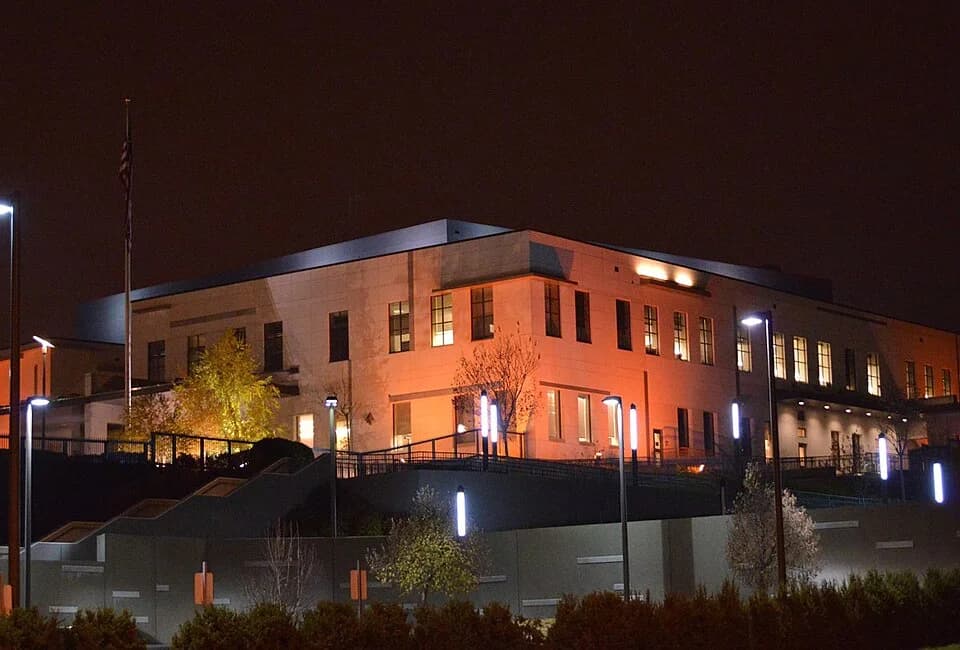
The threat lands barely a month after Switzerland restored a permanent presence in North Korea. The Swiss Federal Department of Foreign Affairs (FDFA) said its Pyongyang office has been operational since 19 October 2026 and reports to the Swiss embassy in Beijing. Foreign Minister Ignazio Cassis formally reopened it during a visit on 29–30 October, when he met North Korean Foreign Minister Choe Son Hui and Workers' Party of Korea Central Committee secretary Jo Yong Won.
Switzerland, which established diplomatic ties with Pyongyang in 1974, previously ran a humanitarian cooperation office there from 1997 until it closed in 2020 during the COVID-19 pandemic, Yonhap reported. Reuters noted that North Korea has deepened ties with Russia since 2023 and is believed to have sent weapons and troops to support Moscow's war in Ukraine under a 2024 partnership treaty.
Days before the statement, Kim Jong Un had also received the credentials of ten new ambassadors in Pyongyang, including envoys from India and Russia.
How has Pyongyang reacted to similar sanctions before?
After the British sanctions in May, North Korea answered with a Foreign Ministry question-and-answer statement and, in late August, downgraded its mission in London, recalling Ambassador Mun Myong-sin, Yonhap reported. A South Korean Unification Ministry official said on Tuesday that Seoul "does not rule out the possibility" that the Swiss office will be closed, noting that the latest statement came from a "higher level of authority" than the response to London.
What happens next
No decision to close the office had been announced at the time of writing, and no public response from the Swiss government had been reported. Kim Yo Jong's timeline points to a Foreign Ministry decision within days. Whether Bern keeps the listing, and whether Pyongyang follows through, will show how much room remains for European engagement with North Korea while it stays aligned with Russia.
Photo source · Uri Tours, CC BY-SA 2.0