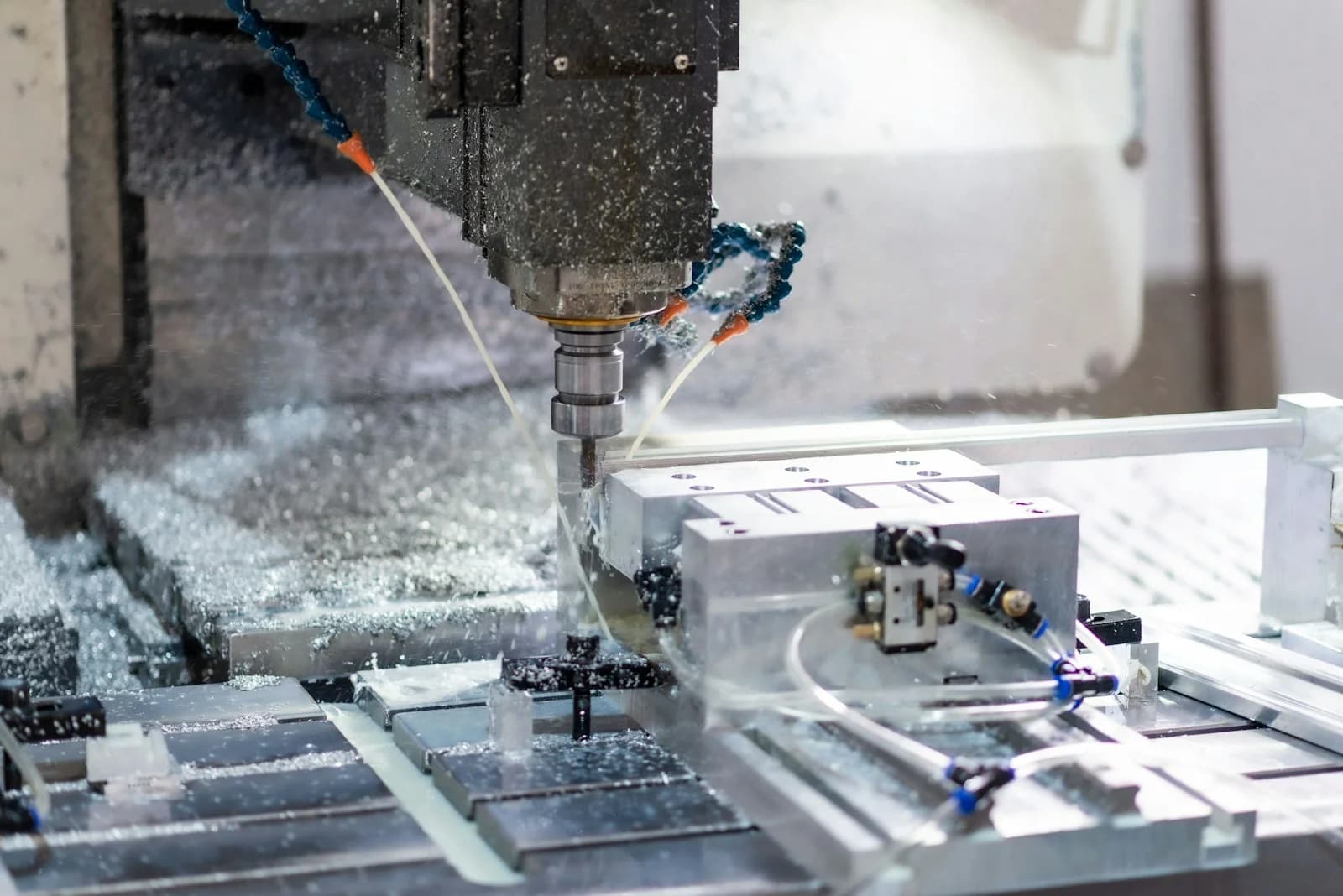
Union Electronics and IT Minister Ashwini Vaishnaw on Saturday, 14 November, said India must design and build the machines and high-precision parts that go into chipmaking, rather than relying on imports. He made the case during a visit to the Bengaluru facility of Ethereal Machines, a startup that builds CNC (Computer Numeric Control) machines.
What the minister said
Speaking to reporters at the facility, Vaishnaw said Prime Minister Narendra Modi wants India to have a semiconductor ecosystem that can sustain itself, and that the government is nudging startups and manufacturers to make the equipment the sector needs within the country.
"It is important that India develops and manufactures its own machines and high-precision components," Vaishnaw said, adding that the Ethereal Machines facility "is playing an important role in this direction".
According to All India Radio, the Bengaluru company has developed machines and components for semiconductor manufacturing that work to tolerances of 2 to 20 microns, a level of precision the broadcaster noted is usually sourced from Germany and Japan. The minister said making such equipment at home would make India self-reliant in components and machinery for defence, space, semiconductors and electronic components, and cut dependence on imports.
Where Semicon 2.0 fits in
The visit comes a little over a week after the government opened the web application portal for Semicon 2.0 on 6 November. The programme, approved by the Ministry of Electronics and IT with a total outlay of Rs 1,27,500 crore, invites applications for semiconductor machinery and materials, new fabrication plants, and chip assembly, testing and packaging units.
Developing domestic machinery and materials for chip production is one of six focus areas under the scheme. Companies that make or research semiconductor machinery, materials, chemicals or gases used in chipmaking can qualify for incentives.
Progress so far
Under the first phase of the Semicon India Programme, 12 projects had been approved across six states as of 6 November, with cumulative investment of more than Rs 1.64 lakh crore. Five of those projects had begun commercial production by October 2026.
Why it matters
The first phase concentrated on fabs and packaging plants. The second phase widens the net to the tools and inputs those plants depend on, a part of the supply chain where, as the minister's remarks underline, India still buys much of what it needs from abroad. Precision machining capacity of the kind on show in Bengaluru also feeds defence and space programmes, which the minister listed alongside chips.
What next
With the Semicon 2.0 portal open, the next markers will be the applications that come in under the machinery and materials pillar and the approvals the ministry announces. The minister did not give a timeline for those decisions on Saturday.