Uttarakhand Chief Minister Pushkar Singh Dhami on 28 November 2026 opened a three-day World Summit on Disaster Management in Dehradun, telling delegates from more than 50 countries that the Himalayan state must move beyond rescue and relief towards forecasting risk, issuing early warnings and preparing in advance. The opening fell on the third anniversary of the Silkyara tunnel rescue, in which 41 trapped workers were brought out in November 2023.
According to All India Radio News, which reported the inauguration on 29 November, experts, scientists, academics and institutional representatives from over 50 countries are taking part, along with participants from more than 30 Indian states and Union Territories. Sessions will cover climate change, natural disasters, modern technology, research and international cooperation.
What is the summit, and who is running it?
The summit is organised by the Himalayan Academy of Science and Technology and runs from 28 to 30 November 2026, according to the event's official website. Its theme is "Resilience begins at home", and every session is grouped under a "5i" framework of intelligence, infrastructure, innovation, inclusion and investment.
The organisers say students, teachers and community representatives from the state's 95 development blocks are attending alongside researchers, policymakers and industry figures, and they list more than 2,000 delegates and 200 speakers. Registration for delegates was free. These figures are the organisers' own and could not be independently confirmed.
What did Pushkar Singh Dhami say?
Dhami said extreme rainfall, floods, landslides, forest fires and cloudbursts, made worse by climate change, have become major challenges, and that the Himalayan region's vulnerability calls for a balance between development and the environment, AIR reported. He argued that disaster management should not stop at relief and rescue but should also cover risk prediction, timely warnings and preparedness.
He pointed to artificial intelligence, machine learning, remote sensing, geographic information systems, satellite monitoring and drones, and said their benefits must reach even the most remote villages. He described the summit as a step towards making Uttarakhand a centre for global discussion on disaster management.
A report by the news portal Indian Masterminds said the event was inaugurated at the Chief Minister's residence and that Dhami announced Rs 1 crore for the corpus fund of the Himalayan Institute of Technology, Dehradun. The same report said he cited the Kedarnath, Chamoli and Silkyara disasters while stressing that no development project could be more important than human life, and called for cooperation with Nepal, Bhutan and other Himalayan regions. This grant has not yet been confirmed in an official state government release.
Why does Silkyara still matter?
Workers became trapped when part of the under-construction Silkyara tunnel in Uttarkashi district collapsed, and they were rescued on 28 November 2023 after 17 days of effort. Dhami called the operation a historic victory for humanity, courage and collective resolve, and credited the 'rat-hole' miners, the Indian Army, the National Disaster Response Force, the State Disaster Response Force, and the scientists, engineers and rescue teams involved, according to AIR.
Why it matters
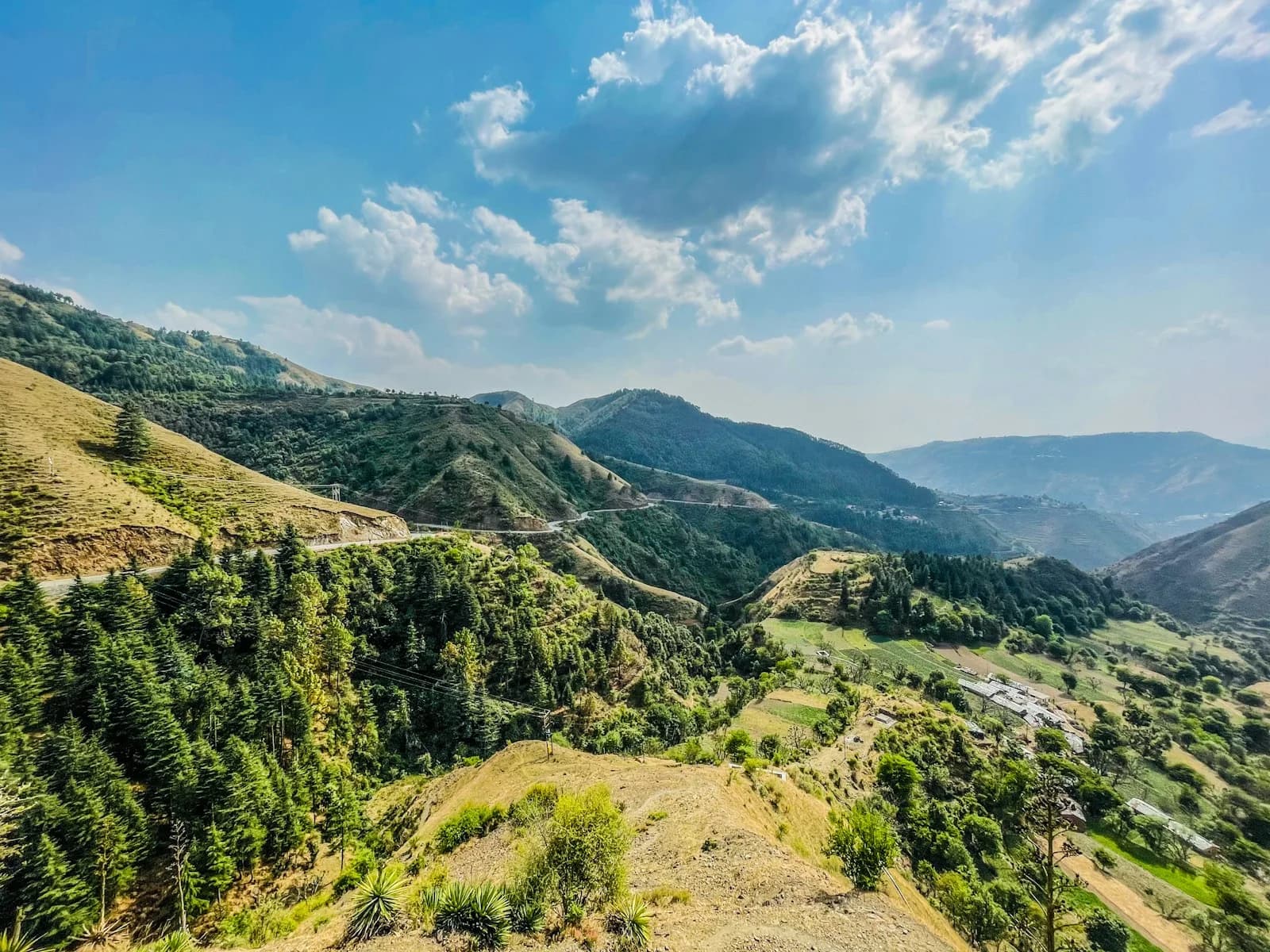
Uttarakhand's steep terrain and fragile slopes make it one of India's most disaster-exposed states. The emphasis on early warning and village-level preparedness reflects a wider move in disaster policy away from responding after the event and towards reducing risk before it strikes. Whether that move delivers depends on how quickly forecasting tools and trained responders reach the hill districts that need them most.
What happens next?
The summit continues until 30 November, with sessions in Dehradun and online participation, according to the organisers. No declaration or formal set of recommendations had been published at the time of writing.