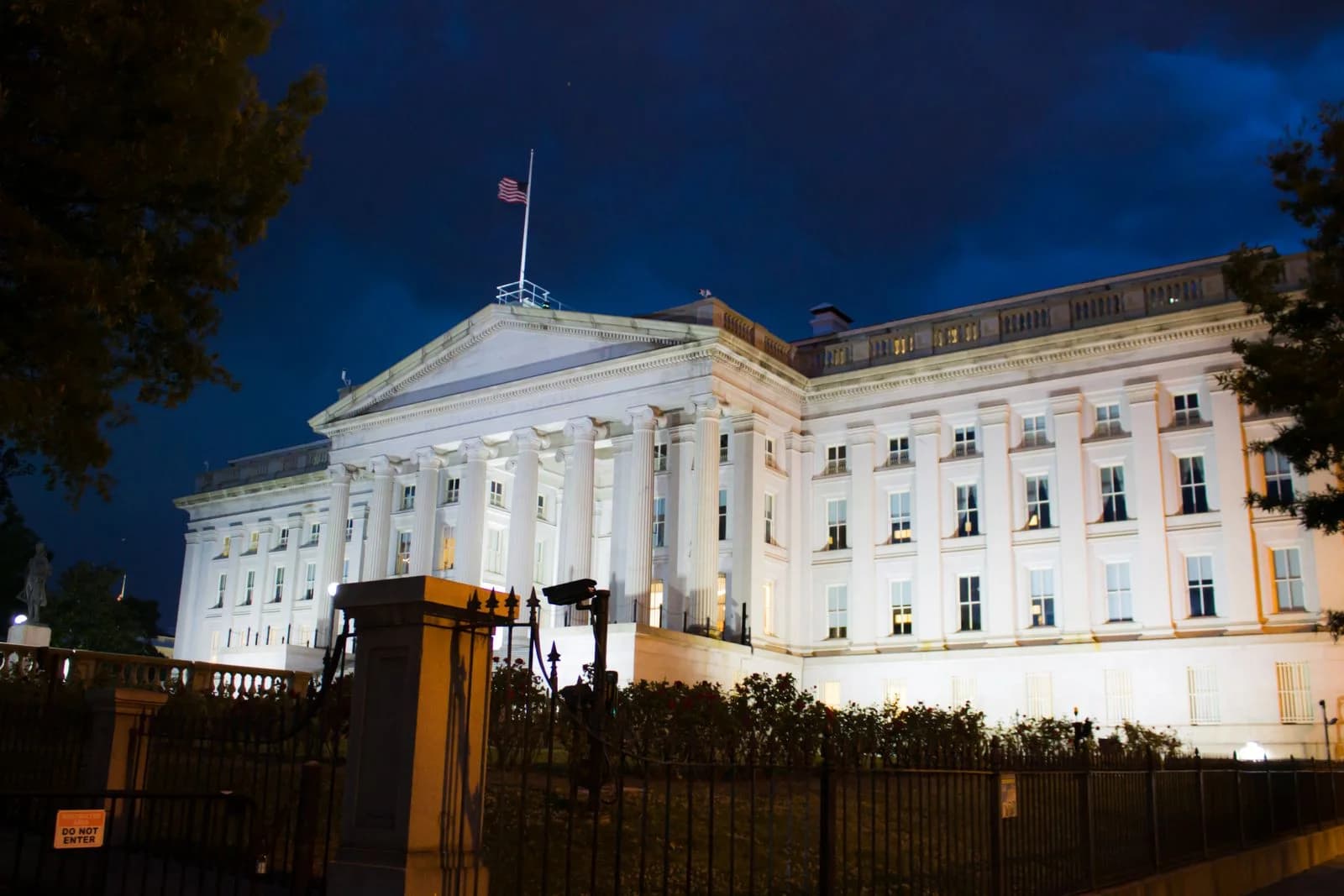
The United States Department of the Treasury on 23 November 2026 sanctioned more than two dozen Iranian exchange houses, front companies and their officials in Washington's latest move against what it calls Iran's "shadow banking" system, naming firms in Dubai, Türkiye and Hong Kong that it says move billions of dollars for Iranian clients.
The action, announced by the Treasury's Office of Foreign Assets Control (OFAC) in a statement, is part of "Operation Economic Outcast", a campaign Treasury Secretary Scott Bessent launched on 24 August 2026. Reuters also reported the designations.
Who has been sanctioned?
According to Treasury, the targets include:
- Iran Center for Exchange of Currency and Gold, which Treasury says matches exporters earning foreign currency with importers who need it, for tens of billions of dollars of trade each year;
- Rahbar Bazargani Nesim Baharan Qeshm Company, described as the "rahbar" (bank-affiliated settlement) company for Bank Sarmayeh, and three of its senior officials;
- two Iran-based exchange houses, Mina Fashki and Partners Exchange and Mellat Exchange Company, and their owners or officials;
- more than a dozen Dubai-based trading firms, a Türkiye-based customs and petroleum trading company and a Hong Kong-based firm that Treasury calls front companies.
Treasury alleged that one Dubai company, OGA Global General Trading, handled payments for the National Iranian Tanker Company, and that another, Recaz Star General Trading, sent and received payments of over $170 million linked to an Iranian exchange house. It also said Dubai-based H N B Trading was used by an entity tied to Iran's Armed Forces General Staff to pay for a tanker charter.
How does Iran's shadow banking system work?
Treasury says the system is overseen by the Central Bank of Iran and relies on Iran-based exchange houses and rahbar companies that run networks of front companies abroad, mainly in Dubai and Hong Kong, to settle payments for Iran's imports and exports. It also said the Central Bank uses bonds issued by the Iran Center for Exchange to help settle trade in Russian roubles and Chinese yuan without the US dollar.
"Iran's shadow banking system is the last financial lifeline of a bankrupt regime," Bessent said in the statement.
$14.7 billion in suspicious flows
On the same day, the Treasury's Financial Crimes Enforcement Network (FinCEN) published an analysis identifying about $14.7 billion of financial activity between January 2025 and August 2026 potentially linked to Iranian shadow banking, based on reports filed by US banks. The most common flagged routes were from mainland China-based banks to UAE-based banks (about $2.6 billion), Singapore to UAE (about $981 million) and the United Kingdom to UAE (about $922 million).
What it means for banks and traders
All property of the designated people and firms within US jurisdiction is blocked, and US persons are generally barred from dealing with them. Treasury warned that foreign financial institutions that knowingly facilitate significant transactions for those designated risk losing access to US correspondent accounts.
The sanctions come amid an ongoing confrontation between Washington and Tehran, including a US naval blockade that Iran has vowed to counter by "every means".
What happens next
Treasury said it would keep targeting Iran's illicit financial networks. No response from Iran's government to the new designations had been published in the sources reviewed at the time of writing.