Iran said on 23 November 2026 that it would use "every means" at its disposal to counter the United States naval blockade of its ports, a day after US President Donald Trump warned that Iranian vessels trying to break the blockade would be sunk. Foreign Ministry spokesman Esmaeil Baghaei made the remarks at his weekly press briefing in Tehran, Euronews reported.
What did Iran say on Monday?
Iran called the blockade an act of military aggression and said it would not accept it. According to Euronews, Baghaei said the blockade breached the United Nations Charter and described it as an "act of crime". He was quoted as saying: "We will certainly not tolerate this situation and will use every means to counter US aggression." Italian agency LaPresse carried the same position, quoting him as calling the measures "an example of military aggression against Iran".
Asked about the possibility of a US attack, Baghaei said the best outcome would be for US forces to leave the region, Euronews reported. He added that any Iranian response would be delivered by Majid Mousavi, commander of the air force of the Islamic Revolutionary Guard Corps (IRGC).
What triggered the exchange?
On Sunday, 22 November, Mr Trump told Fox News that Iranian ships attempting to run the blockade would "go down to the bottom of the sea". According to an Anadolu Agency briefing, he also said the indirect negotiations with Tehran were going nowhere and that he was inclined to resume military strikes after the New Year if talks failed. MapMyTimes reported those remarks in an earlier article.
Is Iran planning to send tankers through?
That has not been confirmed. Media outlets and commentators close to the IRGC have called for a convoy of Iranian oil tankers to challenge the blockade, but Iranian officials said there was no concrete plan, according to Euronews. The IRGC-affiliated Tasnim news agency said no military body, the Supreme National Security Council or any government authority had announced such a move.
Separately, the United Kingdom Maritime Trade Operations (UKMTO) confirmed on Sunday at least one incident involving an oil tanker and military forces in the Gulf of Oman, without saying which forces were involved. US Central Command had not commented as of Monday, Euronews said.
What are Tehran's conditions for reopening Hormuz?
Foreign Minister Abbas Araghchi has said the Strait of Hormuz could reopen within two hours once the other side meets its commitments. Baghaei said this showed Iran's readiness to move quickly but did not mean a deal would be simple. Tehran's stated conditions are the lifting of US sanctions, an end to the naval blockade and implementation of commitments Washington accepted under the Islamabad memorandum of understanding, which Mr Trump has called null and void.
Why it matters
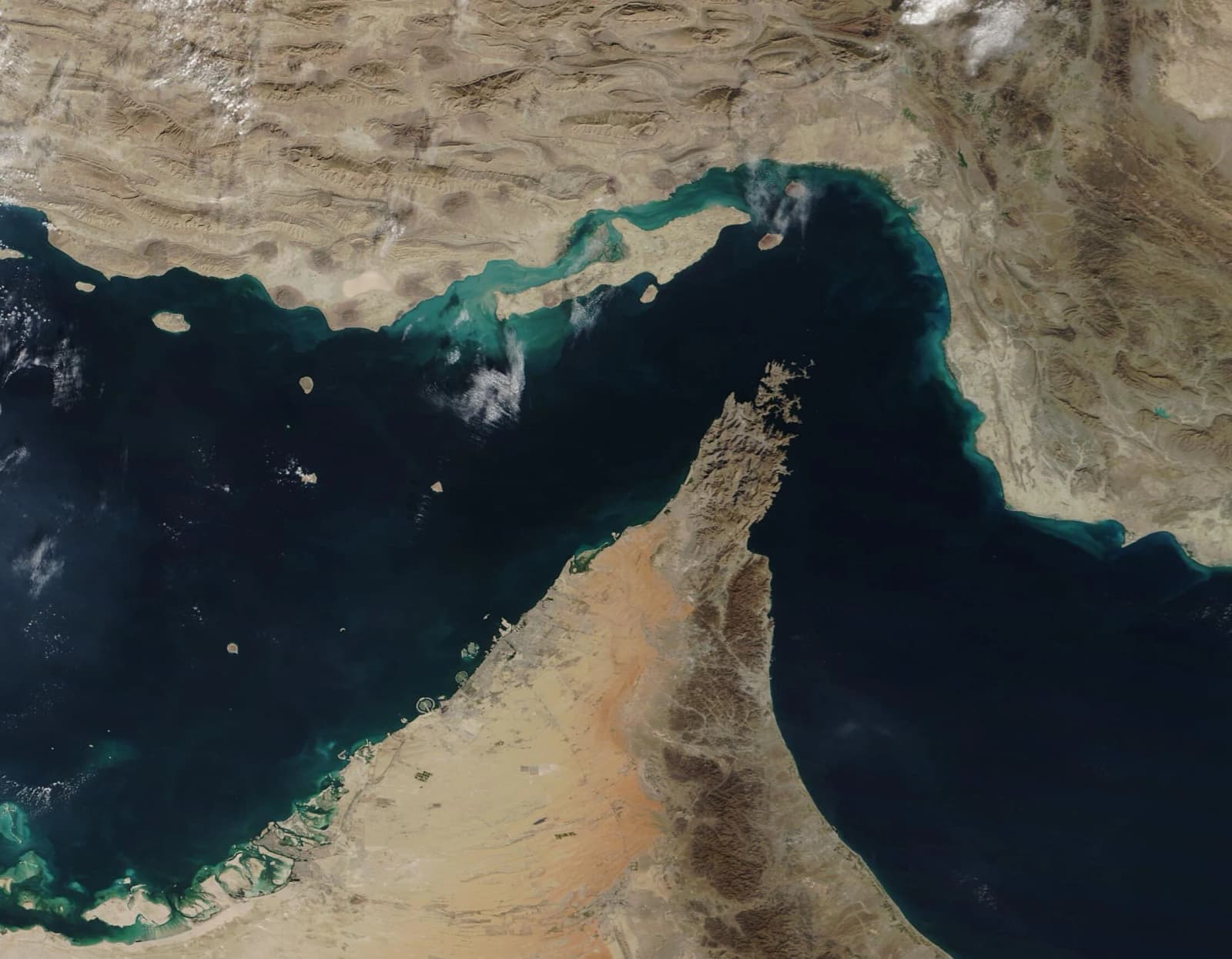
The Strait of Hormuz links the Persian Gulf to the Gulf of Oman and carries a large share of the world's seaborne oil, so any escalation there is closely watched by energy importers, including India. Hardening positions on both sides narrow the room for a negotiated reopening of the waterway.
What happens next
Qatar's prime minister was expected to meet US Secretary of State Marco Rubio on Monday, according to Euronews. Doha has been a key mediator between Tehran and Washington. Whether that meeting produces any movement on the blockade or the stalled talks was not known at the time of writing.