Tajikistan has formally begun leaving the International Criminal Court (ICC), the presidency of the court's Assembly of States Parties said in a statement on 23 November 2026, saying it regretted the decision by the Central Asian country. The notice reached the United Nations Secretary-General on 20 November, the same day Russian President Vladimir Putin, who is wanted by the court, arrived in Dushanbe for talks, according to bne IntelliNews.
What has Tajikistan done?
Tajikistan has notified UN Secretary-General António Guterres, who acts as depositary of the Rome Statute that created the court, that it is withdrawing from the treaty. bne IntelliNews reported that the notice was lodged on 20 November 2026 and, under Article 127 of the statute, takes effect one year after it is received, on 20 November 2027. Reuters also reported that the exit process takes a year to complete.
Tajikistan is the court's only member in Central Asia, bne IntelliNews said. The country's parliament first raised the idea of leaving in September 2026, according to the same report. The reports reviewed by MapMyTimes did not carry an official explanation from the Tajik government for the move.
Why does the Putin visit matter?
The ICC has sought Mr Putin's arrest since March 2023 over the deportation of Ukrainian children. bne IntelliNews reported that Tajikistan did not arrest him during a state visit in October 2025, and that the court's Pre-Trial Chamber II ruled on 19 March 2026 that Dushanbe had failed to comply with the request for his arrest and surrender. The ICC Presidency referred the matter to the Assembly of States Parties on 7 May, the report said.
Mr Putin returned to Dushanbe on 20 November and held talks with President Emomali Rahmon, who described Russia as a strategic partner and reliable ally, bne IntelliNews reported. Until the withdrawal takes effect, Tajikistan remains bound by the statute, including the duty to arrest Mr Putin on any future visit, the report added.
How many countries are leaving the court?
Counts differ depending on the starting point. Reuters and the United Press International (UPI) news agency described Tajikistan as the fourth country to begin leaving since July 2026, when US Secretary of State Marco Rubio launched a campaign to dismantle the court, calling it an intolerable threat to US sovereignty. UPI said Venezuela, Chad and Nauru announced plans to leave after Mr Rubio's call.
bne IntelliNews put Tajikistan as the seventh country to file a withdrawal this year, listing Niger, Burkina Faso and Mali in June, Venezuela and Chad in July, and Nauru in September. It said Hungary, which gave notice in June 2025, withdrew that notification on 29 May 2026. The court has 125 states parties, a figure that will fall by seven as the notices take effect, the report said.
How have the court's backers responded?
The Assembly presidency said it regretted the development and urged Tajikistan to stay. According to UPI, the statement warned that decisions by member states to disengage from the Rome Statute risk undermining the collective pursuit of justice, and described the court as being at the heart of the international system of accountability. The presidency also noted that withdrawing does not release a state from obligations it took on while it was still a party, bne IntelliNews reported.
Human Rights Watch criticised the move. Its Europe and Central Asia director, Hugh Williamson, said leaving the court would isolate the country further, according to bne IntelliNews.
Why it matters
Each departure shrinks the list of countries that have accepted a treaty duty to arrest people the court has charged, including Mr Putin. The run of exits in 2026 has come alongside open pressure from Washington against the court. Russia does not recognise the court's jurisdiction, and neither do the United States or China, bne IntelliNews noted.
What happens next?
Tajikistan's withdrawal will not take effect until November 2027. Until then, it stays a full party with all the duties that come with membership, and the non-compliance finding over Mr Putin's 2025 visit remains before the Assembly of States Parties.
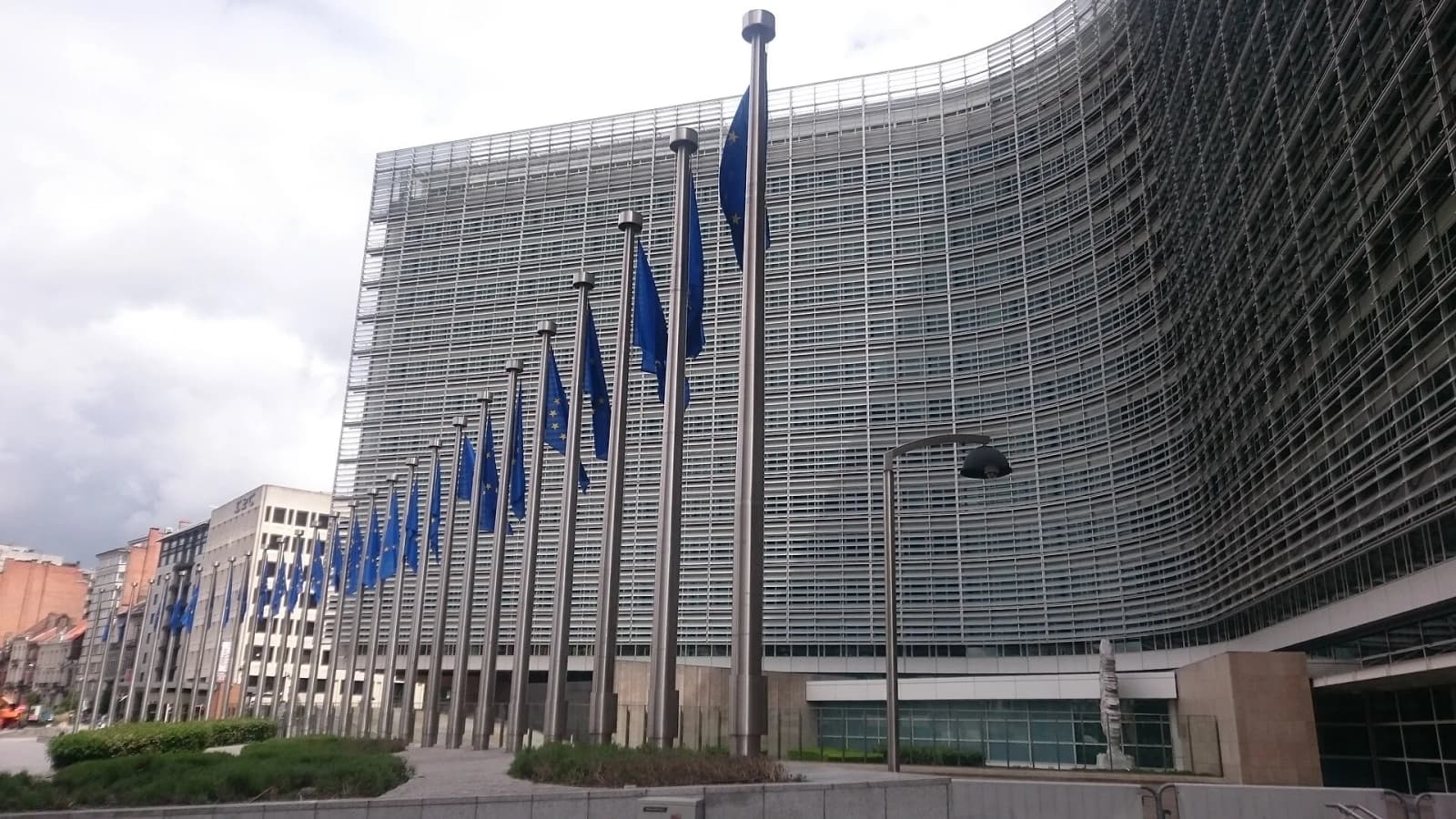
Photo source · OSeveno, CC BY-SA 3.0