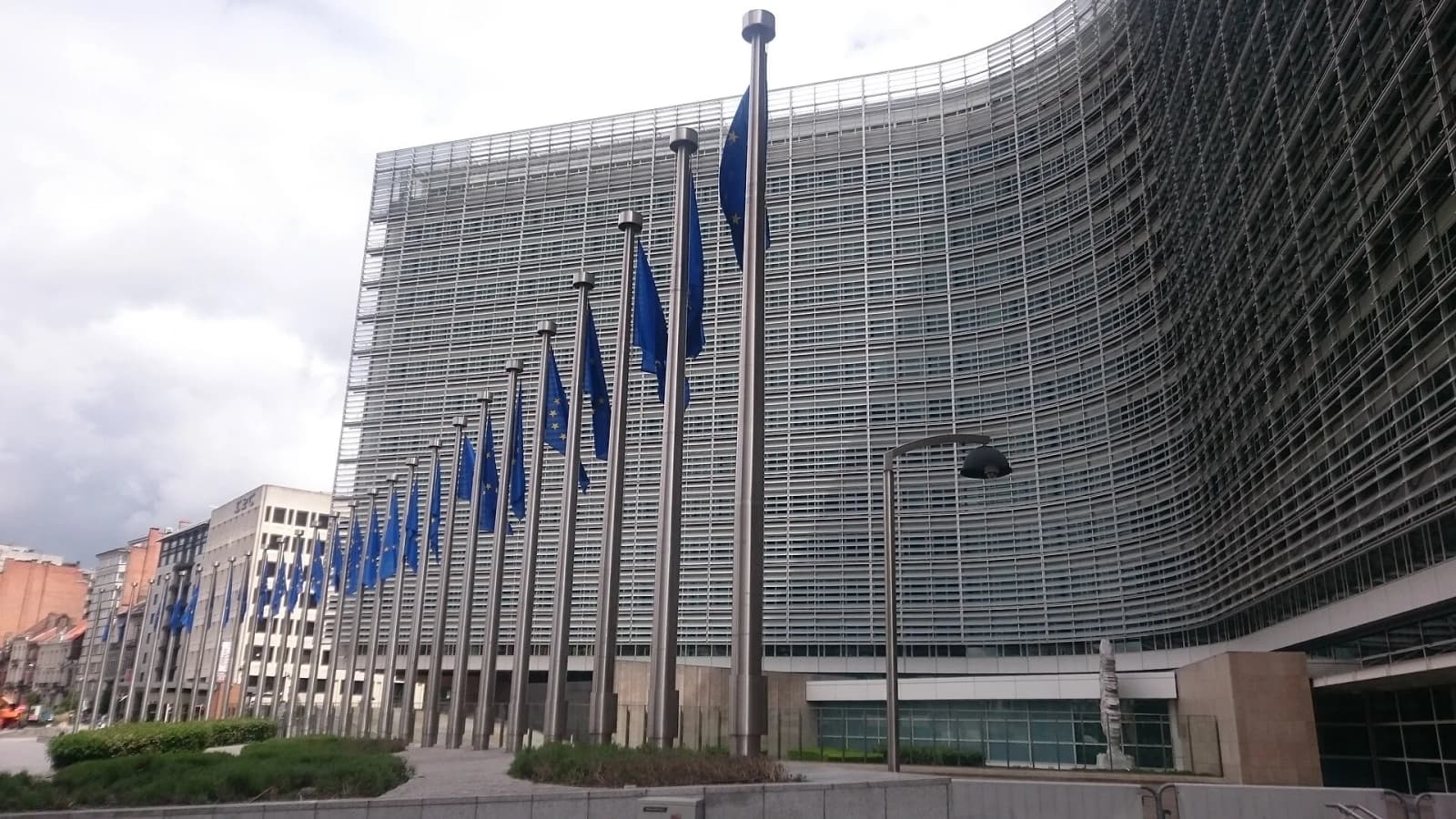
European Commission President Ursula von der Leyen on 23 November 2026 presented the European Union's 22nd package of sanctions against Russia, with the Brussels-based Commission proposing to cut about 60 more Russian banks off from transactions and the SWIFT messaging system, blacklist more than 70 additional "shadow fleet" vessels and bar former Russian combatants from entering the bloc. The package also takes aim at Russia's growing return to international sport.
The measures are proposals. They must now be negotiated by the 27 member states, and every EU sanctions decision needs unanimous approval.
What is in the 22nd package?
The package targets four areas: Russia's financing, its energy sector, its participation in European sporting and cultural life, and visas, according to Ukraine's UNITED24 Media, citing a Commission video statement. Interfax-Ukraine and the Kyiv Independent reported these key elements:
- Banks and crypto: the transaction ban would extend to some 60 Russian banks, all of them to be excluded from SWIFT, backed by a dedicated cryptocurrency sanctions task force against payment networks used to evade sanctions.
- Energy: European companies would be barred from helping Russia build, operate or repair energy infrastructure, including oil refineries. For the first time, the ban would also cover electricity supply services.
- Shipping: more than 70 extra shadow fleet vessels would be listed and barred from EU ports, and the Commission proposed banning tankers insured in Russia.
- People: former Russian combatants would be refused entry, and Europeans would be barred from sitting on the governing bodies of companies in Russia.
- Sport and culture: proposals include a ban on displaying official Russian symbols, curbs on Russian sponsorship money for European sports and cultural bodies, and restrictions on Russian nationals holding posts in European sports federations. Member states could refuse visas to athletes and teams competing for Russia or under its national symbols, the Kyiv Independent reported.
What did von der Leyen say?
Von der Leyen said the EU would "continue to propose new sanctions until Russia shows a genuine intent to pursue lasting peace in Ukraine", Interfax-Ukraine reported. She said former Russian combatants "pose a security threat to Europe" and that "sporting events must not be platforms for propaganda".
She also said the EU would add third countries that help Russia get around its sanctions. The Kyiv Independent reported that the Commission plans special action against Kyrgyzstan, using a tool from the previous package that allows wholesale bans where several crypto platforms undermine EU sanctions. An unnamed EU official told the newspaper that Kyrgyzstan had brushed off the bloc's private efforts.
Migration Commissioner Magnus Brunner said: "Anyone fighting on Russia's side against Ukraine is not welcome in Europe." Separately, EU foreign policy chief Kaja Kallas proposed more than 100 new listings and tighter export controls on more than 20 entities in Russia's and Belarus's military-industrial sectors, UNITED24 Media reported.
Why does it matter?
The sports measures follow the International Olympic Committee's decision in July to reverse its block on Russian participation, which made the question of Russian athletes in Europe more pressing. The ban on ex-combatants responds to requests from member states after the 21st package, adopted in July, and to security concerns: Germany has blamed Russia for an attempted drone attack on Leipzig Airport. The proposal comes as NATO allies met in Brussels over Russian missile debris found in Poland.
The package also proposes removing Georgia's Kulevi refinery from the sanctions list after it switched its oil supply away from Russia, according to the Kyiv Independent. Ireland's Aughinish Alumina plant is not expected to be included.
What happens next?
EU governments will now examine and negotiate the proposals. Because sanctions require the agreement of all 27 members, the final package could change before adoption, and no date for a decision has been announced.
Photo source · KenSwe72, CC BY 4.0