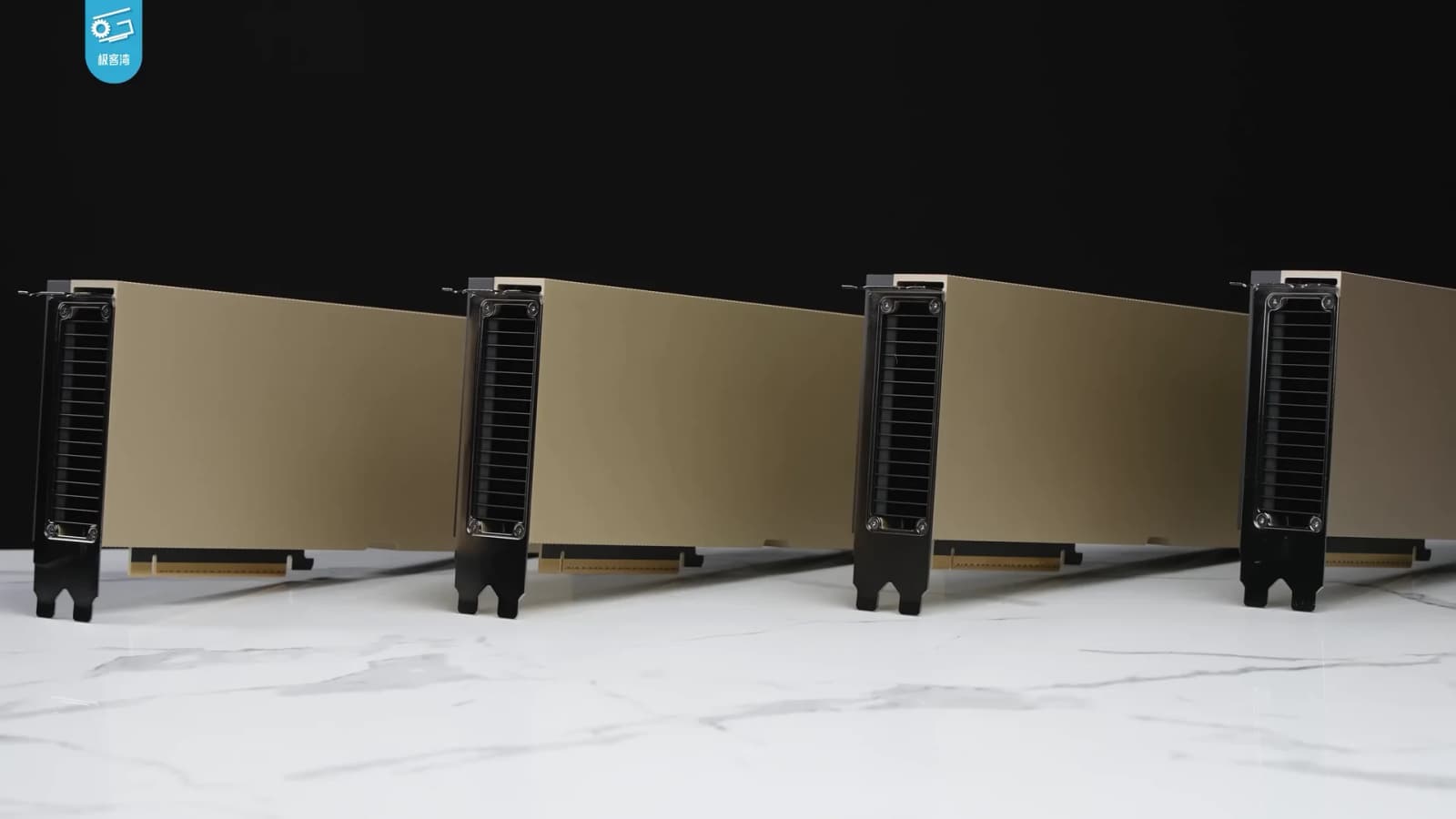
The United States Department of Commerce on 23 November 2026 added Megaspeed, a data-centre company that US officials suspect of helping move Nvidia's advanced AI chips into China, to its Entity List trade blacklist, along with six other companies in Singapore, Malaysia and Thailand. The rule was filed for public inspection in Washington, DC, that afternoon and is due to be formally published in the Federal Register on 25 November.
Which companies were added?
Seven companies were added, according to the Bureau of Industry and Security (BIS) rule. In Malaysia, they are MSFusion Sdn. Bhd., PT Megaspeed International and Speedmatrix Sdn Bhd. In Singapore, they are Apex Enterprise Solutions (Singapore) Private Limited, Megaspeed International Pte. Ltd. and Swiftdata Pte. Ltd. In Thailand, Megaspeed (Thailand) Co., Ltd. was added.
The BIS said the additions were made "because of the significant risk of these entities being or becoming involved in the diversion of advanced computing commodities to unauthorized end uses or end users." The rule does not name China or Nvidia.
What does the listing mean in practice?
It means that any item subject to US export rules now needs a US government licence before it can be sold or sent to these companies, and the BIS says such licences will be reviewed under a "presumption of denial". In effect, US-made chips and other technology are cut off from them unless Washington makes an exception.
The rule includes a savings clause: shipments already on their way to a port on the day of public inspection may go ahead under the old rules, provided they are completed within 30 days. The decision was taken by the End-User Review Committee, which is chaired by Commerce and includes the Departments of State, Defense and Energy and, where appropriate, the Treasury.
Why is Megaspeed in the spotlight?
Megaspeed is based in Singapore and is mainly a developer of data centres, but it has significant business dealings in China, the BBC reported. The BBC said the Commerce Department had been investigating the company for almost two years on suspicion that it was helping get Nvidia chips to companies in China, and that its subsidiary Speedmatrix was among the buyers of Nvidia chips.
The company drew wider attention after reports that a former Megaspeed executive, Alice Huang, had had a relationship with Nvidia chief executive Jensen Huang, who is not related to her. The BBC reported that US intelligence believed she was working as an asset for Beijing. China has denied that she is a spy and warned the US not to use the scandal as a "pretext for imposing a technological blockade", according to the BBC.
Jensen Huang resigned on 12 November after allegations about another affair, and Nvidia's board reinstated him as chief executive on 23 November.
Who had pushed for the move?
Commerce Secretary Howard Lutnick had faced pressure within the administration to list Megaspeed, Semafor reported. Earlier in November, Treasury Secretary Scott Bessent said Treasury, the Pentagon, the State Department and the US Trade Representative had backed the listing "for months", adding that "Commerce holds the pen", according to Semafor. Mr Bessent had also sought answers from Nvidia on chip sales to China.
Semafor also reported that the Justice Department is investigating whether Megaspeed broke US export controls by shipping Nvidia chips to China. A response from Megaspeed to Monday's listing was not available in the reports reviewed by MapMyTimes; the BBC said it had asked the company, the Commerce Department and the White House for comment.
What happens next?
The rule is scheduled to appear in the Federal Register on 25 November. According to the BBC, Jensen Huang and Nvidia's chief legal officer are due to give a closed-door briefing to the House Foreign Affairs Committee, as several government inquiries continue. Whether other companies linked to the chip trade in South-East Asia will face similar action has not been announced.
Photo source · 极客湾Geekerwan, CC BY 3.0