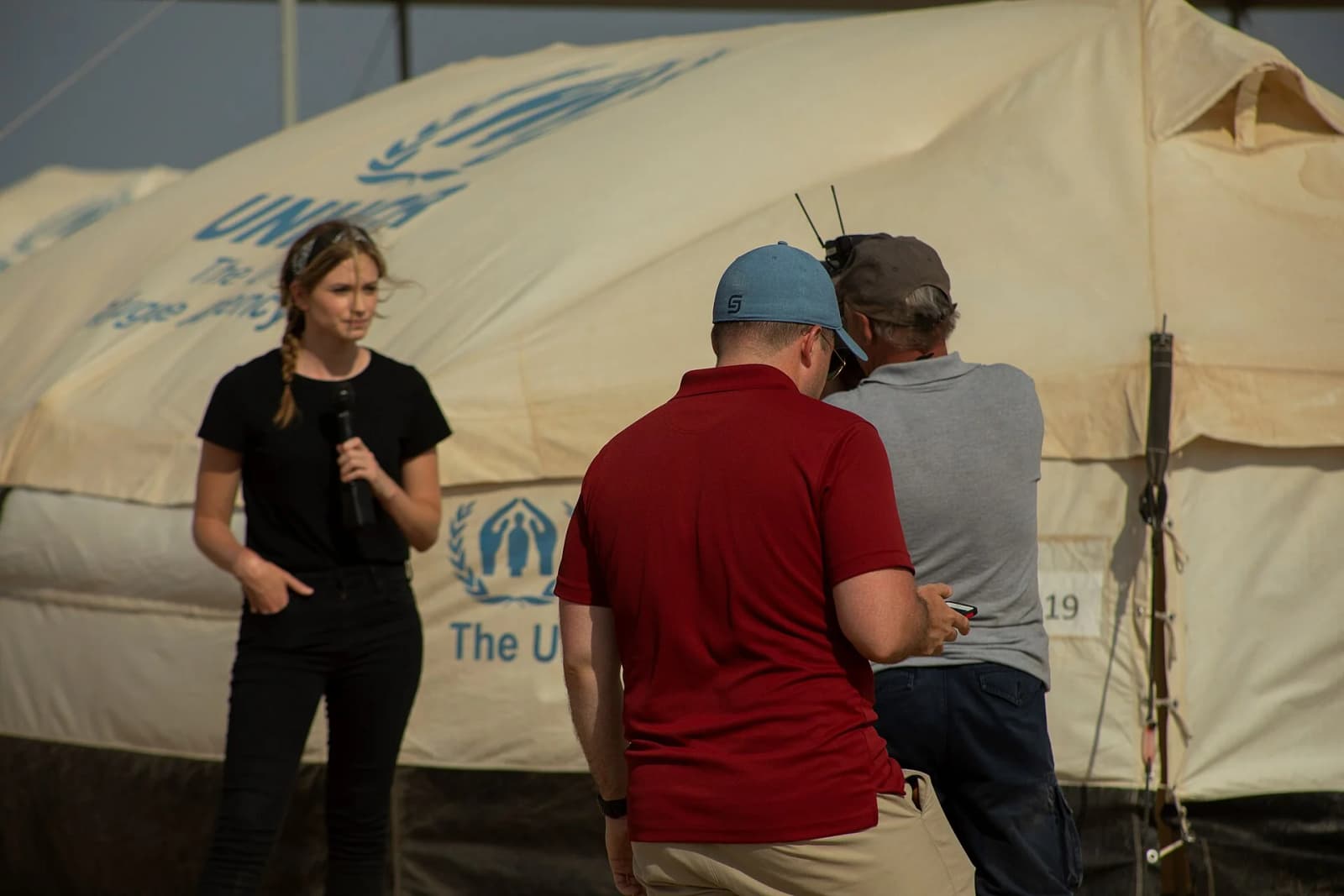
Severe funding shortfalls have forced the closure of 171 UN-backed safe spaces for women and girls and left 5.6 million forcibly displaced and stateless people without critical gender-based violence (GBV) prevention and response services, the UN Refugee Agency (UNHCR) warned on Friday, November 27, 2026.
Impact of Funding Cuts on Safe Spaces and Survivors
Speaking to journalists in Geneva during the annual 16 Days of Activism against Gender-Based Violence campaign, which runs through December 10, UNHCR Assistant High Commissioner for Protection Ms. Wosornu said only 203 UNHCR-supported safe spaces remain open worldwide after last year's closures.
According to UNHCR's 2025 GBV Impact Report, programmes countering gender-based violence received less than one-third of required funding in 2025. Ms. Wosornu noted that shutting safe spaces strips survivors of specialist care and narrows medical and legal referral options. Globally, she stressed, nearly one in three women experiences physical or sexual violence, while more than 60 million forcibly displaced and stateless women and girls face heightened exposure to abuse.
Barriers to Justice and Operational Delays
Highlighting field observations from Nigeria and Goma in the Democratic Republic of the Congo, Ms. Wosornu said survivors consistently call for perpetrators to face justice, yet only nine percent of survivors were referred to legal services due to documentation and language barriers.
Across operations, 63 percent of UNHCR country teams reported delays in survivors accessing specialized GBV case management services because partner organizations had to cut staff. Data from UNHCR's GBV Trends Report spanning Bangladesh, Jordan, Lebanon, South Sudan, and Tanzania also found that women and girls accounted for 98 percent of recorded survivors, and nearly 88 percent of reported incidents occurred in private residential settings.
Ongoing Protection Reach Despite Constraints
Despite acute budget pressure, UNHCR said its specialized programmes reached 2.2 million people across 77 countries in 2025 and the first half of 2026, providing registration, documentation, asylum support, and survivor recovery programmes in coordination with host-country initiatives.