Lebanon's Prime Minister Nawaf Salam said on 27 November 2026 that a new proposal at the United Nations Security Council could let the United Nations Interim Force in Lebanon (UNIFIL) keep working in southern Lebanon after its mandate expires on 31 December. Speaking at the government palace in Beirut in an interview with The Associated Press, Salam said France was preparing a resolution to keep some of the force's functions going during a drawdown period.
What is France proposing for UNIFIL?
France is proposing that UNIFIL continue certain tasks, including clearing mines, escorting humanitarian convoys and monitoring violations, according to Salam. France has not publicly commented on the plan, according to the AP report. The Jerusalem Post reported that Paris sent an initiative to the Security Council that was discussed at a closed-door meeting on 26 November, and that it envisages a coalition of thousands of European troops, mainly from France, Italy and Spain, working alongside the Lebanese Armed Forces. The newspaper reported no outcome from that meeting.
"This would not resolve the problem of so-called post-UNIFIL, but it will give us some extra time to agree on a new architecture in southern Lebanon," Salam told the AP. He added that "any force to be deployed will have to be endorsed by the Security Council."
Why is UNIFIL's mission ending?
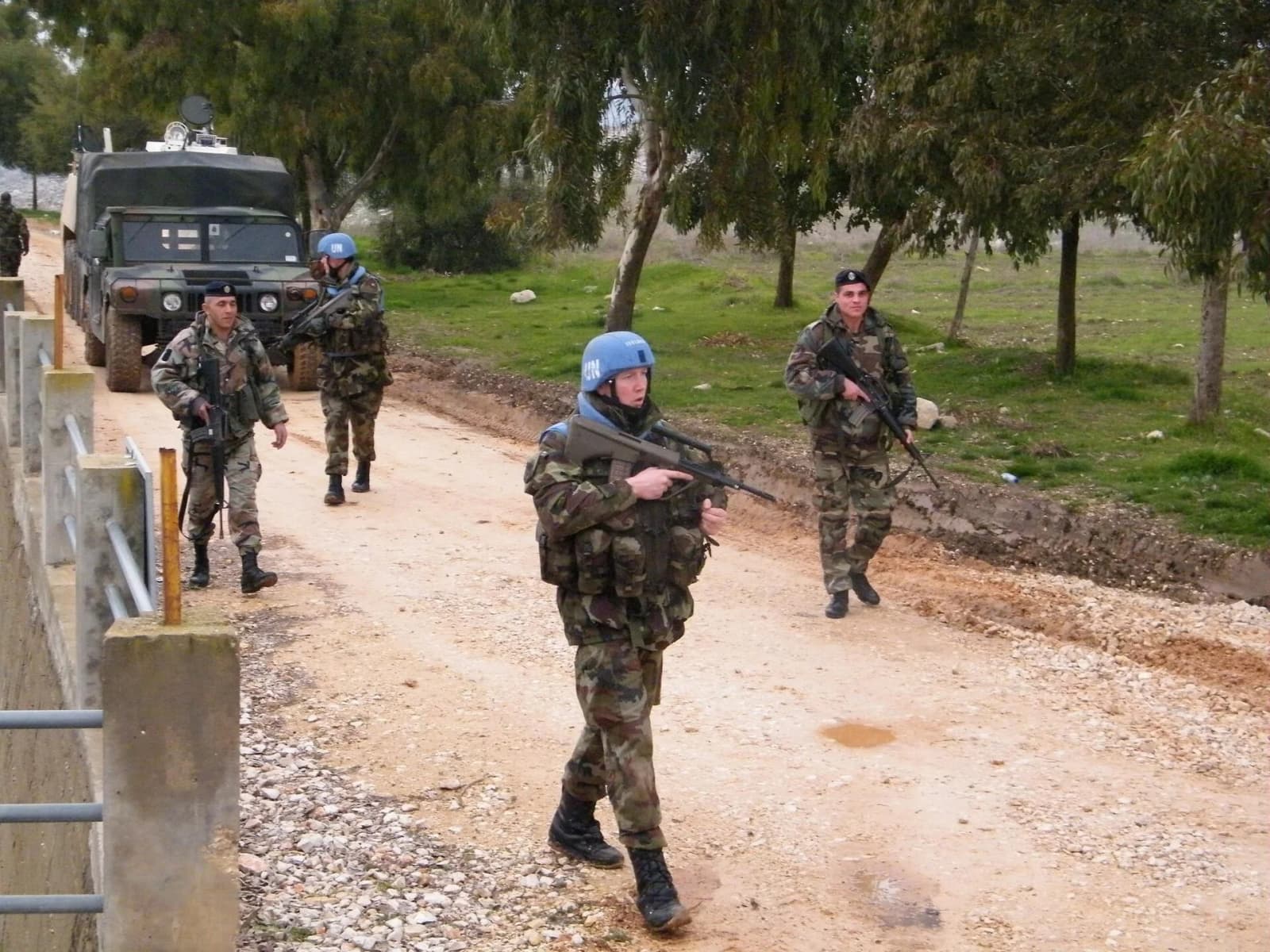
The Security Council voted last year to end UNIFIL's mandate at the end of 2026, following demands from the United States and Israel, which argued the force had failed to stop the military build-up of Hezbollah, the AP reported. UNIFIL officials say the force was never tasked with disarming the group. About 7,500 peacekeepers are deployed in southern Lebanon and are expected to withdraw gradually over roughly six months after the mandate ends.
Where does the United States stand?
US officials have said Washington is "open to considering" the arrangement, according to the AP, and have indicated they would accept some international presence, though not in its current form. The Jerusalem Post reported that Washington is promoting a competing plan for a considerably smaller monitoring mechanism that would give the Lebanese army greater responsibility in the south.
What did Salam say about Hezbollah and Israel?
Salam said Lebanon was "definitely" not seeking confrontation with Hezbollah but "will not succumb to the intimidation" of the group, which has refused to give up its weapons. A war between Israel and Hezbollah broke out in March, and Israeli forces occupy much of southern Lebanon, according to the AP. A June agreement called for a gradual Israeli withdrawal and Hezbollah's disarmament, but its implementation has stalled, and Israel says it will not withdraw before Hezbollah is disarmed.
Salam said formal negotiations with Israel had been "put on hold" because of Israel's elections and uncertainty over its next government, but denied that the talks had collapsed. He also said Lebanon would not "allow the future of the country to be contingent on Iran's wishes," and noted that relations between the US and Iran directly affect Lebanon. The wider regional tension has also been felt in the Gulf, where two Italian defence technicians were killed in a drone attack in Kuwait.
What is confirmed and what is not?
Salam's account of the French plan and the US openness to it are on the record. The final text of any French resolution, the timing of a Security Council vote and whether it would pass have not been confirmed.
What happens next?
With the mandate due to expire on 31 December, the Security Council has less than five weeks to decide whether to extend some UNIFIL functions, back a new force or let the drawdown begin from 1 January.
Photo source · Irish Defence Forces, CC BY 2.0