Ukrainian President Volodymyr Zelenskyy warned on 27 November 2026 that disruption of farm exports from the Black Sea threatens food supplies for "hundreds of millions" of people worldwide, speaking at the "Food from Ukraine" international food security conference in Kyiv. At the same event, Foreign Minister Andrii Sybiha said Ukraine's proposals for a Black Sea ceasefire to protect grain shipments have been conveyed and Kyiv is still waiting for Moscow's answer, according to Al Jazeera.
The proposal itself is not new: Mr Sybiha had said on 10 November that Ukraine had submitted its own Black Sea and energy ceasefire proposals to partners and was awaiting Russia's response, Interfax-Ukraine reported.
What has Ukraine proposed?
Ukraine has proposed a Black Sea ceasefire that would restore freedom of navigation and keep its agricultural exports moving without interruption, according to Al Jazeera's report of Mr Sybiha's remarks. "We are now awaiting a response from Russia. All of our proposals have been conveyed," the foreign minister said.
The two sides remain apart on scope. According to the same report, Moscow wants oil transport to be covered by any deal, while Kyiv says that question belongs in a separate, wider energy ceasefire. Mr Sybiha accused Russia of repeatedly answering Ukraine's proposals with "unrealistic demands". There was no public Russian response to the proposals at the time of writing.
What did Zelenskyy say about food security?
Mr Zelenskyy told the conference that Russia's war has made exports from the Black Sea region much harder, hurting countries that rely on Ukrainian grain, flour and sunflower oil, All India Radio reported. He warned that continued disruption could lead to shortages and higher prices.
According to an ANI report datelined Kyiv, he described the buyers as stretching "from Algeria to India, from Sudan to Indonesia". He said Ukraine is working with European neighbours to keep its overland "Solidarity Lanes" open, and with Arab partners and Türkiye, and argued that export earnings are what allow Ukrainian farmers to sow next year's crop. He also said the "Food from Ukraine" programme has delivered hundreds of thousands of tonnes of food to Yemen, Ethiopia and Sudan and has helped Syria, and offered to share Ukraine's farming experience with other countries.
Why does the Black Sea route matter?
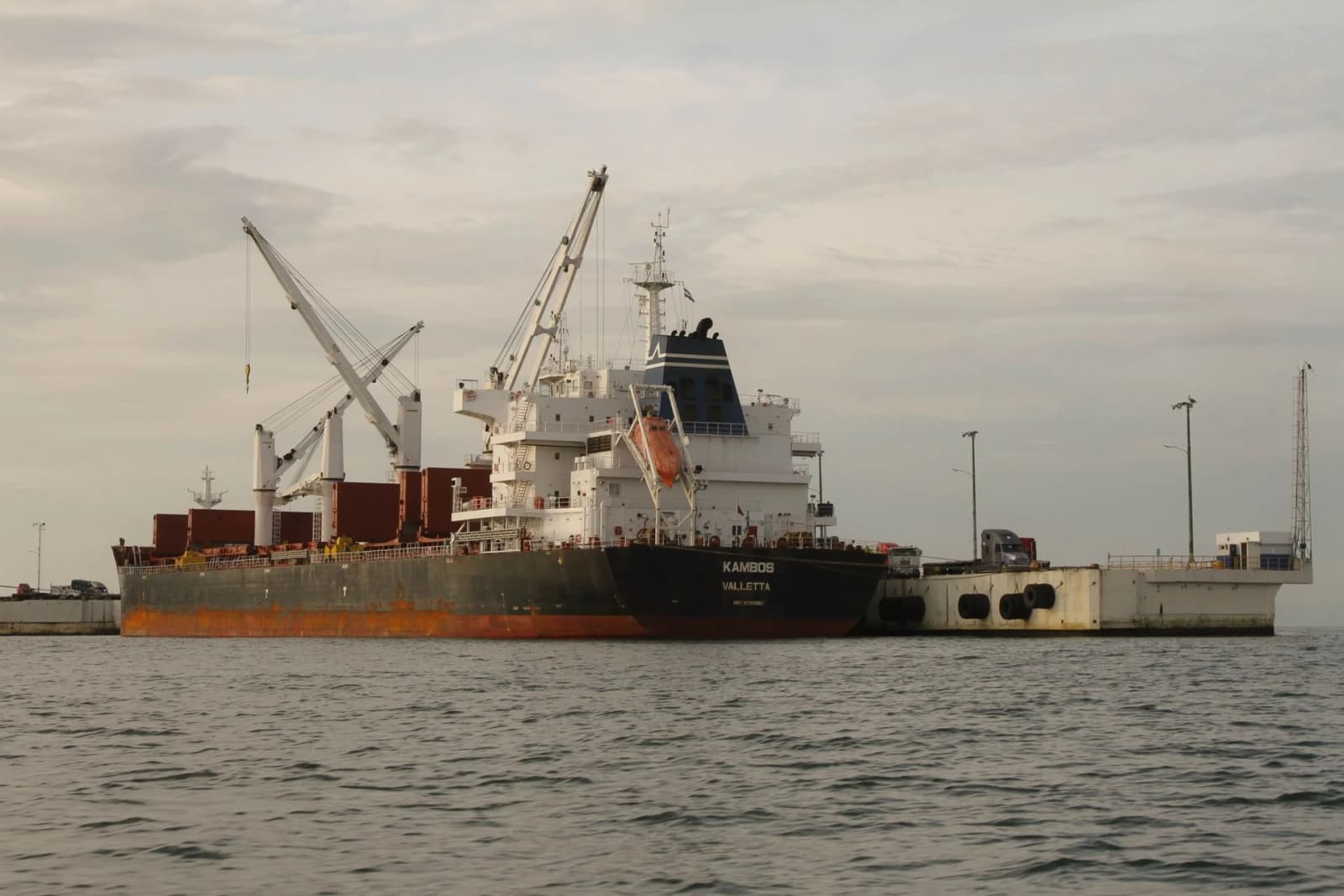
After Russia's full-scale invasion in February 2022, a deal brokered by the United Nations and Türkiye allowed Ukrainian grain exports to resume; Russia pulled out of that arrangement in July 2023 and Kyiv then set up its own maritime corridor, Al Jazeera noted. Reuters reported in August that Ukraine had already sent an earlier proposal, through a third party, for both sides to stop attacking civilian targets at sea, at a time when Ukrainian grain exports were down 76% year on year as shipowners avoided ports in the Odesa region after repeated Russian strikes.
On 31 October, United States Secretary of State Marco Rubio said Washington was reviewing proposals from Türkiye and India on keeping grain and energy shipments flowing, according to Al Jazeera. Mr Sybiha had said in early October that Ukraine had received ceasefire proposals from India, Türkiye, Egypt and the United States, and that India's was the broadest, Ukrainian outlets UNN and United24 reported at the time.
What is India's position?
India's Permanent Representative to the UN, P. Harish, told a Security Council meeting on Black Sea lifelines of global food supply earlier this week that critical maritime routes, food and humanitarian supplies, civilian infrastructure and freedom of navigation must be protected, ANI reported. He said the Black Sea region and India together produce almost a fifth of the world's cereals, and warned that conflict-driven disruptions could hit countries of the Global South hard. At the same meeting, UN Under-Secretary-General Rosemary DiCarlo said drone attacks in the Black Sea threaten civilian navigation and disrupt food exports to countries in need.
The concern comes as United Nations agencies warn that acute hunger will worsen in 16 hotspots over the next six months, as MapMyTimes reported.
What happens next?
The proposal now depends on Moscow's reply. Separately, Mr Zelenskyy used a BBC interview on Friday to criticise US President Donald Trump for calling Russian President Vladimir Putin "my friend" after their meeting in China, saying the US should use its influence to push Russia towards serious negotiations, Al Jazeera reported. Readers can follow related coverage of Mr Trump's remarks after meeting Mr Putin in Shenzhen.